UN education debt swaps, Sri Lanka prison riot, Venezuela aid
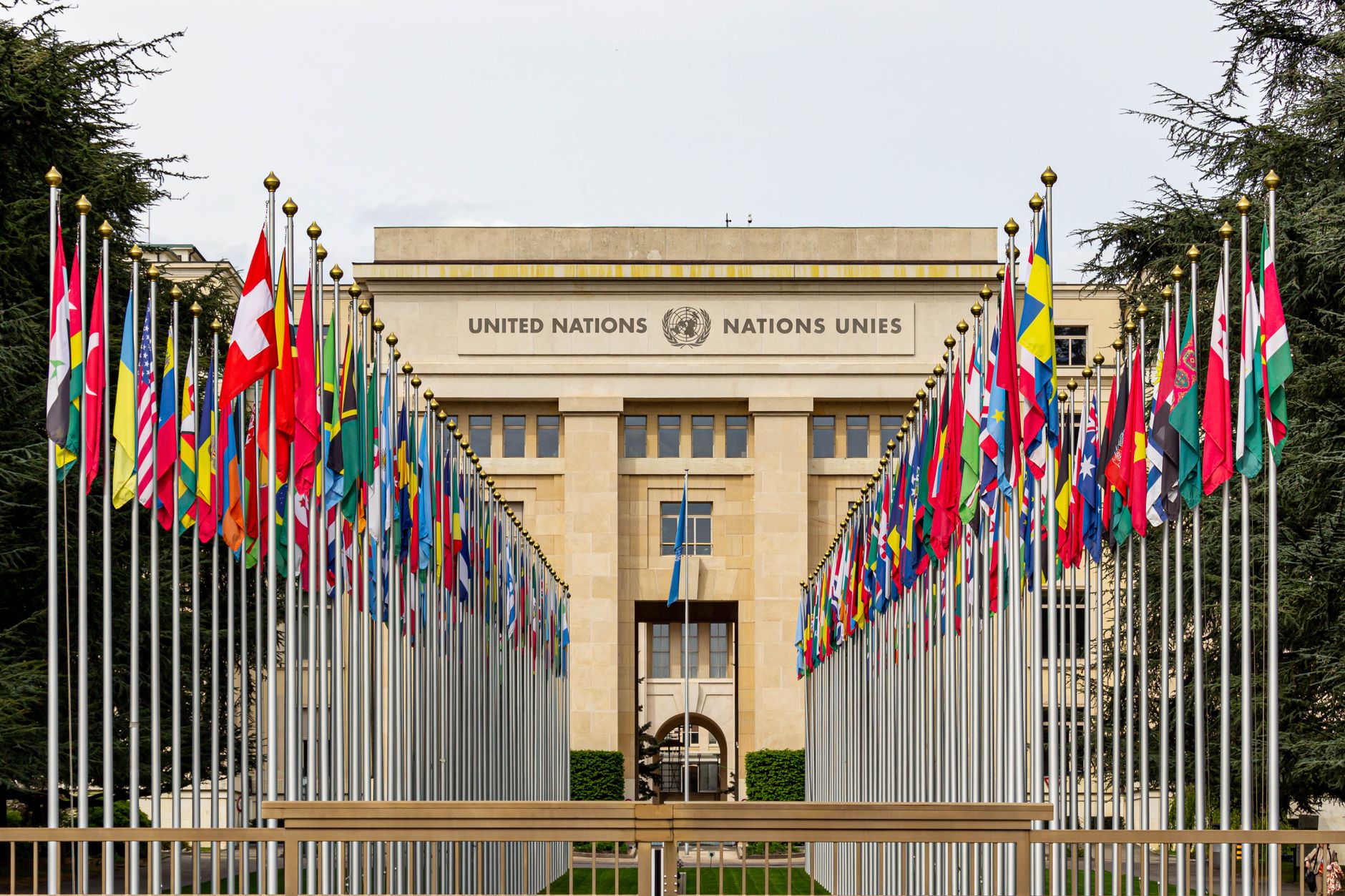
A new UNESCO report is pushing international lenders to rethink how they handle debt in the developing world, arguing that a simple financial mechanism could put millions more children in school. The agency wants creditors to embrace debt-for-education swaps — deals that let struggling nations redirect money owed on foreign loans toward domestic education spending instead.
UNESCO sounds alarm on education funding crisis
The report, released Friday, found that dozens of low- and middle-income countries are currently spending more on servicing their debts than on educating their children. In some of the hardest-hit nations, debt payments consume nearly twice the government budget allocated to schools. UNESCO estimates that expanding swap arrangements could free up billions of dollars annually for classrooms, teachers, and school infrastructure.
“We have the tools to fix this. What we need now is the political will from creditors to use them,” a UNESCO education finance official said in a statement accompanying the report.
Debt-for-development swaps aren’t new — they’ve been used before for environmental and health goals — but UNESCO argues they’ve been badly underused when it comes to education. The agency is specifically calling on multilateral lenders and wealthy bilateral creditors to build swap clauses directly into future loan agreements with developing countries.
Deadly violence erupts inside Sri Lanka prison
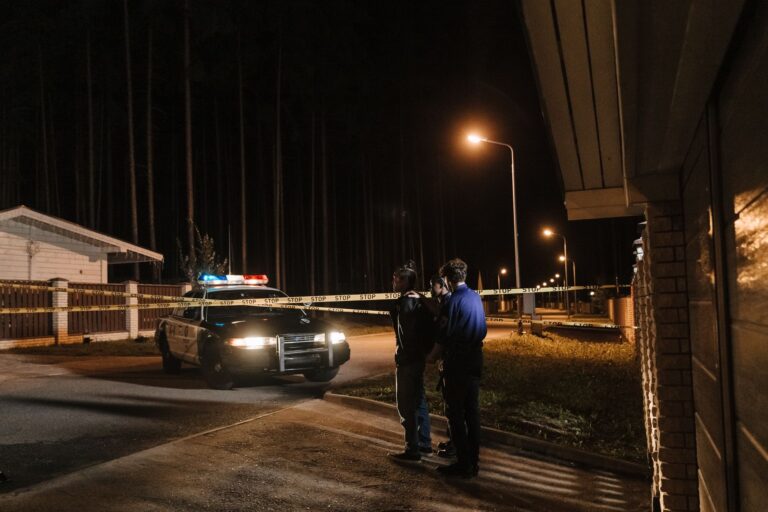
In Sri Lanka, at least eight inmates were killed and dozens injured after violent clashes broke out inside Mahara Prison, located roughly 30 kilometers north of Colombo. The trouble reportedly started late Thursday evening and continued into Friday morning before security forces managed to restore order.
Overcrowding has been a persistent problem in Sri Lanka’s prison system. Mahara alone holds well over twice its official capacity, and rights groups have repeatedly warned that conditions there were deteriorating. It’s the second major incident at the facility in recent years — a 2020 riot at the same prison left 11 dead.
Authorities have launched an investigation, but prisoners’ families gathered outside the gates Friday demanding answers and accusing guards of using excessive force during the crackdown.
Fresh humanitarian aid convoy reaches Venezuela
A convoy organized by the International Committee of the Red Cross delivered medical supplies and food assistance to communities in Venezuela’s Apure state this week, reaching an estimated 4,200 people in remote areas that have seen little outside help in months. The region has been battered by years of economic collapse and, more recently, armed conflict between Venezuelan military forces and Colombian guerrilla groups operating across the border.
Aid workers said access to Apure remains difficult and dangerous. Still, the delivery marks a small but concrete step forward.
Venezuela’s broader humanitarian situation remains dire, with the UN estimating that more than 7 million people across the country are in need of some form of assistance.
All three stories point to the same uncomfortable reality: governments and international institutions are being asked to do more with less, and the people waiting on the results are running out of time.