Middle East civilians bear brunt as US-Iran strikes enter second week
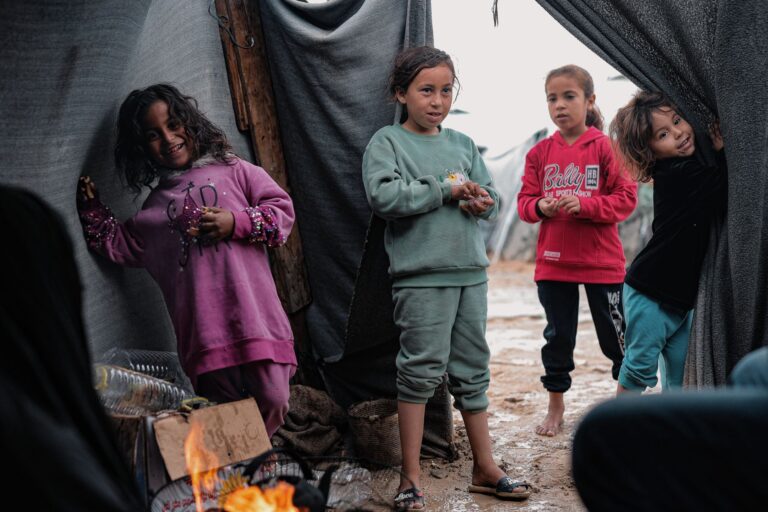
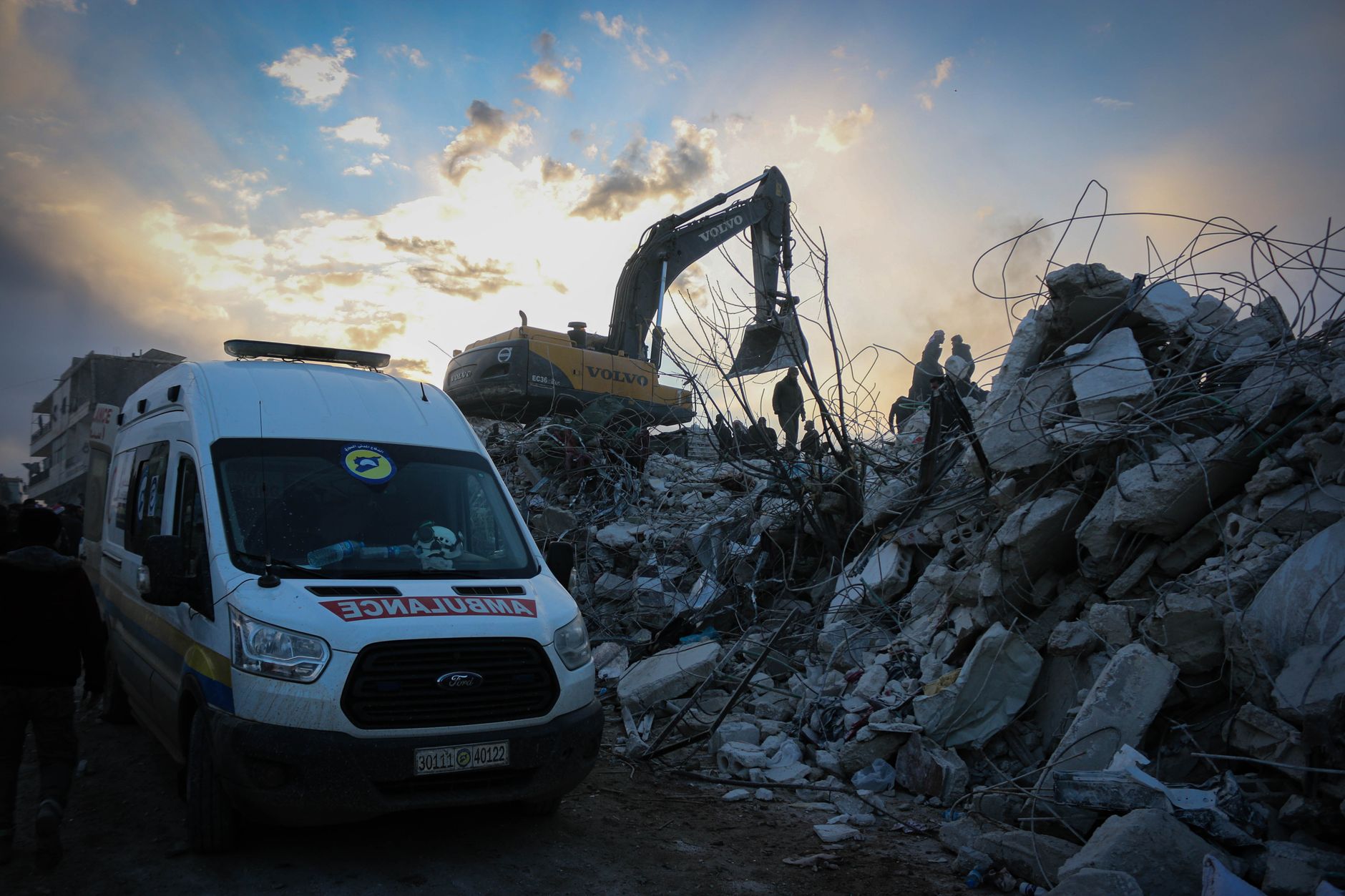
Hospitals overwhelmed. Power grids knocked out. Families sleeping in the streets. The US-Iran strikes that erupted nine days ago have now killed at least 340 civilians and displaced an estimated 180,000 people across the Middle East, according to UN emergency figures released Thursday.
Another night of strikes, another toll
American forces carried out what the Pentagon described as a “precision strike” on suspected Iranian missile infrastructure near Ahvaz early Wednesday, killing at least 23 people. Iran responded within hours, launching a barrage of drones toward two US military positions in Iraq. Iraqi officials confirmed 11 coalition service members were wounded, along with 34 Iraqi civilians caught near the blast zones. It’s a pattern that’s now grinding through its second week with no sign of stopping.
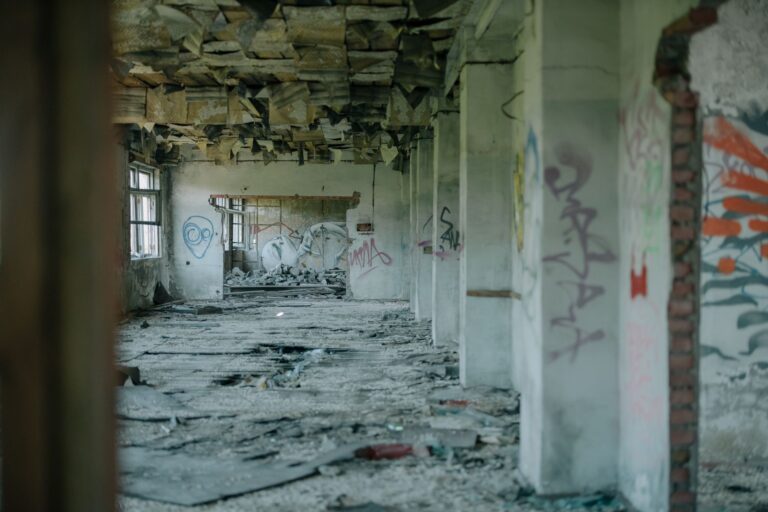
The strikes have chewed through civilian infrastructure at a rate that aid agencies say they can’t keep up with. Three major hospitals in the region have been forced to suspend operations after suffering direct damage or losing electricity. Water treatment facilities serving roughly 400,000 people in southern Iraq are running at less than half capacity.
UN demands de-escalation, again
The United Nations Security Council met for the third time this week in emergency session Thursday. But the session ended, as the previous two did, without a binding resolution. Russia and China blocked a Western-backed draft calling for an immediate ceasefire.
“Every hour of inaction is another hour in which civilians are paying the price for decisions made in capitals far from the rubble,” said UN Emergency Relief Coordinator Tom Fletcher in a statement to the council.
The UN’s humanitarian office says it needs $620 million in emergency funding over the next 30 days. So far, pledges cover less than a quarter of that.
Diplomacy stalled, back channels quiet
Behind the scenes, European mediators have been working to open a back channel between Washington and Tehran. Those efforts haven’t produced anything concrete yet. A senior European diplomat, speaking on condition of anonymity, said both sides are still in what he called a “punishment phase” and that neither government appears ready to de-escalate without something it can frame as a win domestically.
Iran’s foreign ministry reiterated Thursday that it won’t enter negotiations while US strikes continue. Washington says it won’t stop until Iran halts what it calls “active aggression” against American interests in the region.
What comes next
The immediate concern for aid workers isn’t the diplomacy. It’s the coming week.
With fuel supplies running critically low across several conflict-adjacent areas, generators keeping hospitals and water pumps running could start failing within days. The International Committee of the Red Cross warned Thursday that it has lost contact with staff in two locations inside Iran and one in western Iraq.
Both governments have signaled they retain the capacity and, for now, the political will to continue strikes. For the civilians caught between them, that calculus means nothing except another sleepless, dangerous night.