Joseph Aoun’s Washington visit ‘couldn’t have gone any better,’ says analyst
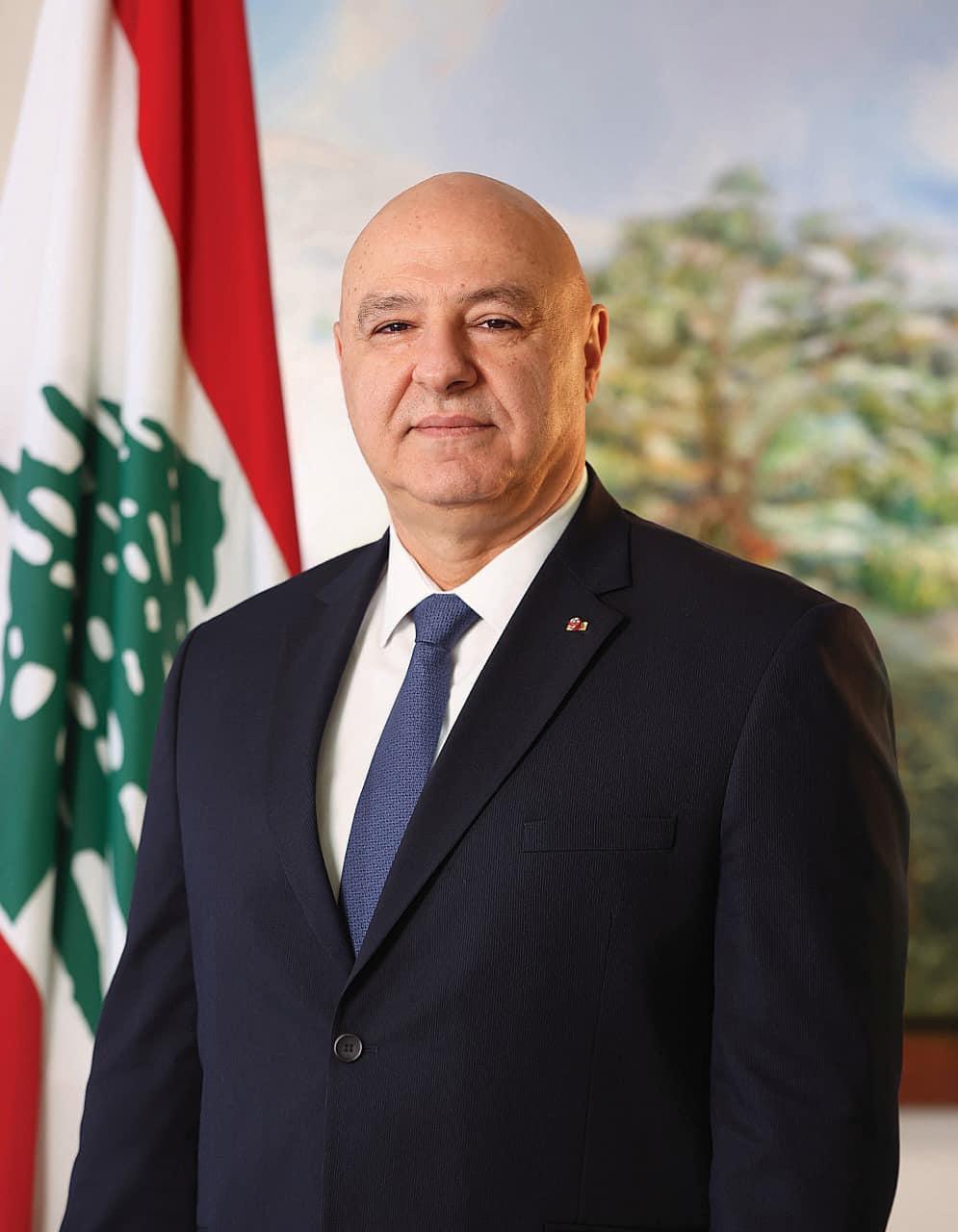
Lebanese President Joseph Aoun arrived in Washington this week carrying the weight of a country still clawing its way back from years of compounding crises — and by at least one well-placed account, he left with considerably more than he brought.
Bilal Saab, Senior Managing Director of the Trends Research Group and a close personal friend of President Aoun, joined journalist François Picard to offer what he described as a cautiously optimistic reading of the visit. His verdict was blunt: “This meeting couldn’t have gone any better.”
A pivotal moment for Lebanese diplomacy
Saab was careful not to oversell the moment. But he was equally insistent that Aoun’s Washington trip represented something real — a genuine opportunity to consolidate international backing for Lebanese sovereignty at a time when that sovereignty remains seriously contested. Hezbollah’s parallel military structure, unresolved border tensions with Israel, and a state apparatus that has been systematically hollowed out over decades all loom over any diplomatic progress.
Still, Saab argued that the timing mattered. Lebanon is, in his framing, both a testing ground for American regional strategy and a fragile political experiment that the international community cannot afford to walk away from.
Why Saab says military pressure isn’t the answer
One of Saab’s more pointed arguments was about method. It’s tempting, he acknowledged, to view Hezbollah’s dominance as a problem that can be resolved through force or coercion. He doesn’t buy it. The path forward, he contends, runs through institution-building — slowly, painstakingly, strengthening the Lebanese Armed Forces and civil state structures until they can assert authority the old-fashioned way: legitimately.
That’s a long game. Lebanon’s army operates on a budget of roughly $500 million annually, a fraction of what would be needed to meaningfully shift the internal balance of power. And external funding from Gulf states and Western governments, while symbolically important, has historically come with strings or simply dried up when political winds shifted.
Washington’s role and what Lebanon actually needs
Saab was pointed on this: symbolic declarations won’t cut it. What Lebanon needs is sustained political commitment — the kind that survives election cycles in donor countries and doesn’t evaporate the moment a new regional crisis dominates the headlines.
The United States, he suggested, understands the stakes. But understanding and delivering are different things.
“Lebanon is not a charity case,” one regional diplomat said on condition of anonymity. “It’s a strategic interest, and it needs to be treated like one.”
What comes next
Aoun’s visit won’t resolve the contradictions baked into Lebanese politics. But Saab’s read is that it created something useful: momentum, and a degree of American investment in seeing Lebanon succeed that didn’t exist in quite the same form before.
The next 90 days will be telling. Whether Washington follows words with policy — and whether Beirut can hold itself together long enough to benefit — remains very much an open question.