US-South Korea joint military drills to be shortened after Trump order
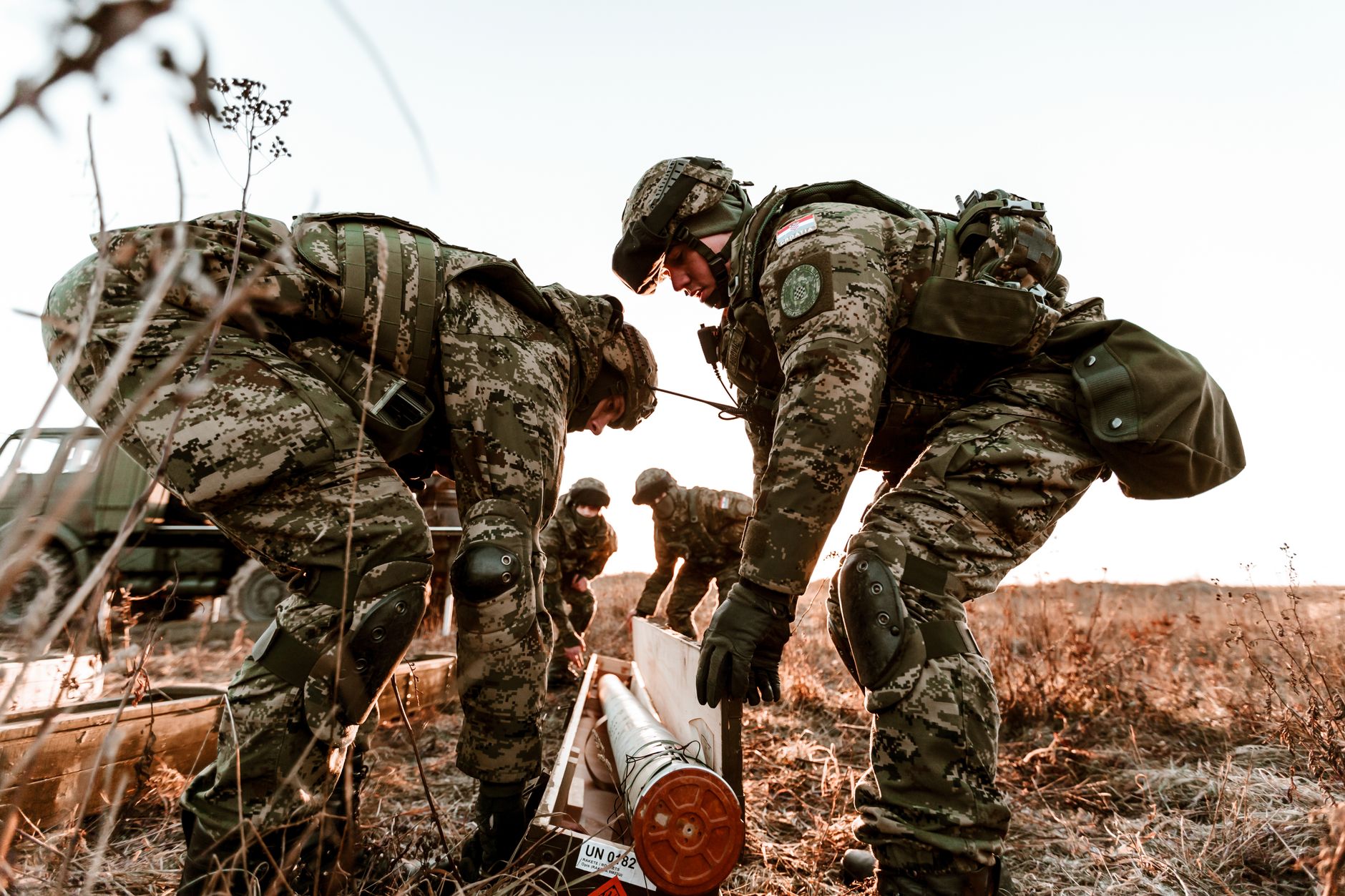
The United States and South Korean militaries have agreed to significantly shorten their upcoming joint exercises, a move that comes just days after President Donald Trump publicly condemned the drills as provocative and directed the Pentagon to scale them back.
Officials confirmed the decision on Friday, though neither government disclosed exactly how many training days would be cut or which specific exercises would be affected. The announcement landed with little warning, rattling military planners on both sides of the Pacific who have long relied on these drills to sharpen readiness against a potential North Korean threat.
Trump’s social media post sparked the sudden shift
It started with a post. Earlier this week, Trump took to Truth Social to blast the joint exercises, calling them “hostile” and accusing South Korea of not paying enough for the American military presence there. He wrote that Defence Secretary Pete Hegseth had been instructed to wind down the drills — a directive that apparently moved fast through the chain of command.
That’s an unusually quick turnaround for any institutional military decision, let alone one affecting a cornerstone alliance in the Indo-Pacific. The US keeps roughly 28,500 troops stationed in South Korea, and annual joint exercises have been a central pillar of the alliance for decades.
Seoul is trying to stay calm — publicly, at least
South Korea’s defence ministry said it was cooperating fully with Washington on the adjustments and stressed that the alliance remained “ironclad.” But the phrasing felt careful, even strained.
“We are in close consultation with our American counterparts to ensure the exercises continue to meet the needs of both nations,” a South Korean defence ministry spokesperson said in a statement Friday.
Still, officials in Seoul privately expressed frustration, according to two people familiar with the discussions. South Korea’s presidential office has been navigating a delicate political moment domestically, and a public rift with Washington is the last thing it needs right now.
North Korea is watching closely
Analysts were quick to point out the timing. Pyongyang has long demanded the cancellation of US-South Korean drills as a precondition for any diplomatic talks, and Trump’s intervention hands Kim Jong Un a tangible, no-cost concession — before any negotiation even begins.
This is not the first time this has happened. During Trump’s first term, he suspended several major exercises after his 2018 Singapore summit with Kim, describing them as expensive “war games.” Those suspensions were eventually reversed under the Biden administration, which restored full-scale drills citing the need for deterrence.
Now the cycle appears to be repeating.
What comes next for the alliance
It’s unclear whether Trump intends to pursue fresh diplomatic contact with North Korea or whether the drill reductions are simply a unilateral gesture. Pentagon officials haven’t provided a timeline for when, or whether, the exercises would be restored to their previous scope.
What’s certain is that allies across Asia will be watching the next few weeks very carefully — and drawing their own conclusions about what American security commitments are actually worth in 2025.