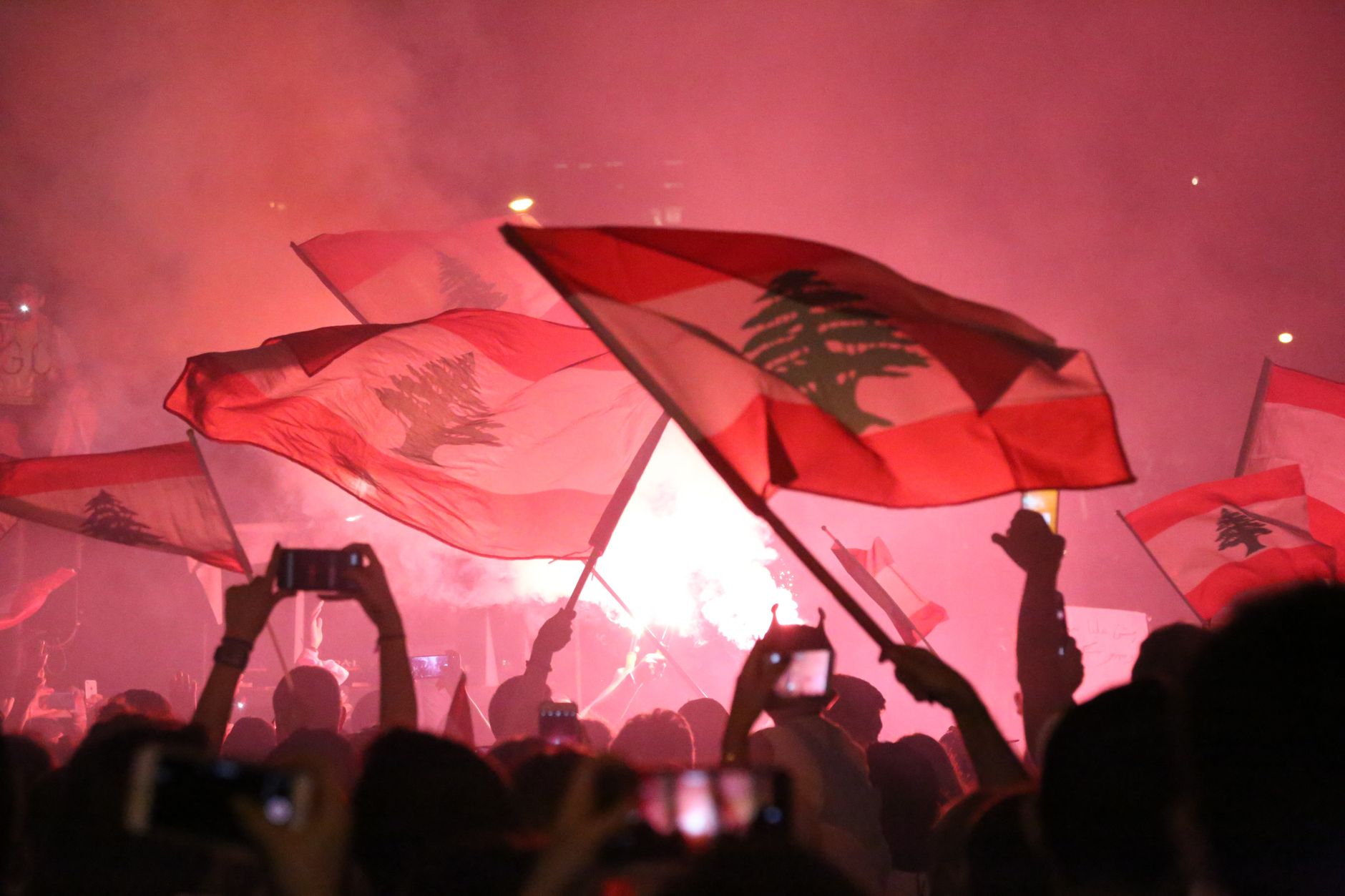
Lebanese scepticism persists despite US-Iran ceasefire announcement
Lebanese citizens and political analysts are greeting the US-Iran ceasefire announcement with deep reservations, even as officials in Beirut cautiously welcome what could become a turning point for the war-battered country.
A fragile hope takes hold
The announcement, brokered after three rounds of indirect talks in Oman, promises a halt to hostilities between Washington and Tehran — two powers whose rivalry has fuelled decades of instability across the Middle East. For Lebanon, a country that has endured 14 months of devastating conflict, two economic collapses in five years, and a political vacuum stretching back to 2022, the news landed with a mixture of exhausted relief and hard-won cynicism.
In Beirut’s Hamra district, 43-year-old pharmacist Rania Khoury put it plainly. “We’ve heard this kind of thing before. Americans and Iranians shake hands somewhere, and we’re still the ones paying the price here.”
She’s not alone in that sentiment.
Street-level distrust runs deep
A snap survey conducted by the Beirut-based Information International research group found that 61 percent of Lebanese respondents said they were “not confident” the ceasefire would produce lasting change in their country. Only 18 percent expressed genuine optimism. The remaining 21 percent said they simply didn’t know what to believe anymore — which, in many ways, says everything.
And it’s not hard to understand why. Lebanon has been used as a proxy battleground for so long that many residents have stopped counting the ceasefires, the diplomatic summits, and the promises of reconstruction that never quite arrived. The 2006 war ended with UN Resolution 1701. That resolution is still technically in force. It’s also still being violated regularly.
A senior Lebanese government official, speaking on condition of anonymity, acknowledged the public mood. “We welcome any reduction in regional tensions, but the Lebanese people need to see concrete steps — not just statements. Words don’t rebuild hospitals or bring displaced families home.”
What the ceasefire could actually mean
Analysts say the real test will come in the next 30 to 60 days. If the agreement holds and leads to a broader diplomatic framework, it could ease pressure on Hezbollah to maintain its military posture, potentially creating space for a long-stalled Lebanese presidential election and a functioning government. Lebanon has been without a president since October 2022.
Still, those are a lot of ifs. Iran’s influence over Hezbollah is real but not absolute. And domestic Lebanese politics have a way of consuming even the most promising regional openings.
Looking ahead with cautious eyes
International donors, including the EU and Gulf states, have quietly signalled they’re watching the ceasefire closely before releasing roughly $3.2 billion in pledged reconstruction funds. That money has been on hold for over 18 months.
So the stakes are real. But for ordinary Lebanese who have lived through too many false dawns, belief is a luxury they can no longer easily afford.