
World news in brief: Belfast riots, disease jobs threat, Europe heatwave
Turkish official condemns Northern Ireland unrest
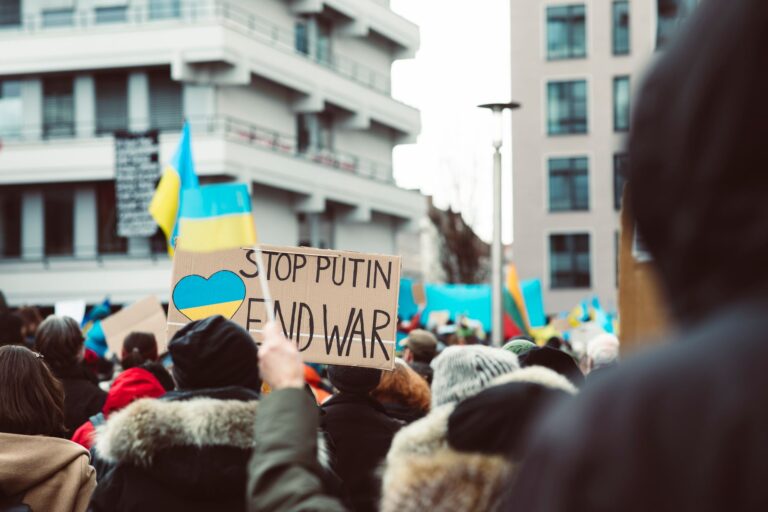
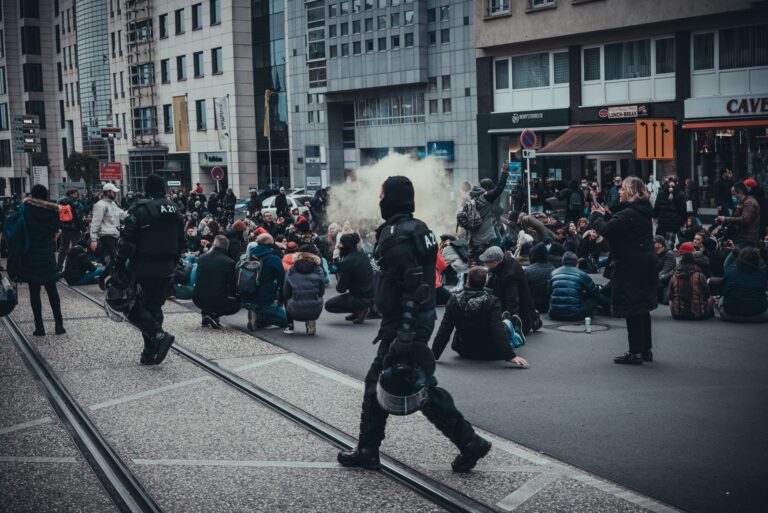
Riots tore through Belfast this week after a Sudanese asylum seeker allegedly stabbed a man, leaving the victim with severe wounds to his face and back. The attack, which occurred on Monday, lit the fuse on simmering tensions that had been building for months. Within hours, crowds were setting fires, looting shops, and attacking properties associated with immigrant communities across the city.
Turkey’s ambassador to the United Kingdom didn’t hold back. In a statement released Wednesday, the diplomat condemned the violence as “an assault on the values of open, democratic society” and urged British authorities to act swiftly to protect vulnerable communities. The statement drew a sharp reaction from some unionist politicians, who argued that foreign governments should stay out of Northern Ireland’s internal affairs.
Still, international pressure is mounting. At least 27 arrests have been made so far, and the Police Service of Northern Ireland has deployed additional officers to flashpoint areas. But the unrest shows little sign of ending quickly.
Thousands of jobs at risk as animal disease spreads
Across the UK and parts of continental Europe, a fast-moving animal disease outbreak is threatening to devastate rural economies. Foot-and-mouth disease has been confirmed at 14 farms in three counties since the start of the month, forcing mass culls and strict movement restrictions on livestock.
Industry groups warn that up to 9,000 jobs in farming, meat processing, and related supply chains could disappear if the outbreak isn’t contained within the next six weeks. That’s a conservative estimate. Some analysts think the real number could be significantly higher.
“We’re doing everything possible to stop the spread, but farmers need financial support right now, not in three months,” said a spokesperson for the National Farmers’ Union, speaking on condition of anonymity pending official briefings.
Export bans are already in place, and supermarket buyers have started sourcing product from abroad to fill gaps on shelves.
Europe’s heatwave becomes a public health emergency
Temperatures across southern and central Europe have smashed records for the third consecutive week, and health systems are struggling to cope. Spain reported 312 heat-related deaths in a single 10-day period. Italy’s health ministry has issued red alerts in 17 cities, including Rome and Milan, warning residents to avoid going outside between 11am and 6pm.
It’s not just the elderly who are at risk this time.
Hospitals in Athens and Seville are reporting cases among people in their 30s and 40s — a worrying shift from previous years. Emergency rooms in Barcelona turned away non-critical patients on Tuesday after hitting full capacity. And with night-time temperatures staying above 28°C in some areas, there’s no relief even after dark.
European health officials are due to hold an emergency coordination call on Friday to discuss cross-border resource sharing. Whether that meeting produces concrete action — or just more bureaucratic language — remains to be seen.