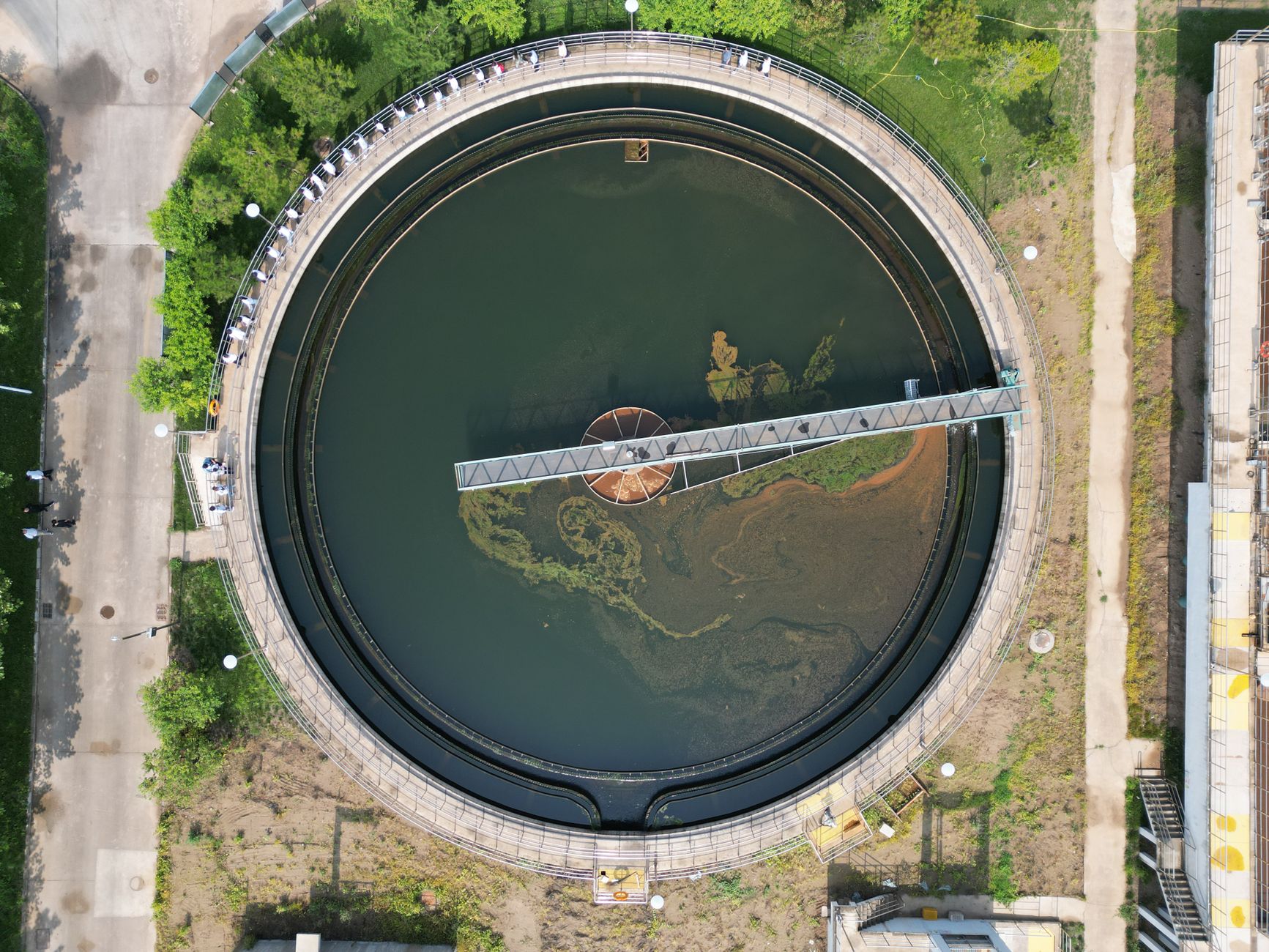
Iran’s strikes on Kuwait desalination plants enter fourth day
Iranian strikes on Kuwait’s desalination and power plants continued for a fourth straight day on Monday, deepening what analysts are calling a calculated pressure campaign against one of the Gulf’s most water-vulnerable states. The attacks have rattled Kuwait City and forced emergency measures across a nation that produces roughly 90% of its drinking water through energy-intensive desalination processes.
A target by design
Kuwait isn’t a country that can afford to lose its desalination capacity, even briefly. The nation pulls nearly all of its potable water from the Persian Gulf using a network of plants that require constant power. There are no rivers. No major aquifers. No quick alternatives. That’s precisely why Iran chose it.
By hitting both desalination facilities and the power stations that run them, Iranian forces are attacking two interdependent systems simultaneously. Knock out the power, and the water stops. It’s a compounding effect that multiplies pressure on civilian infrastructure fast.
The psychological calculation
Analysts who follow Gulf security say the strikes are less about military victory and more about sending a message. “Iran understands that Kuwait’s water supply is its most exposed nerve,” said one regional security analyst based in Doha. “These aren’t random targets. They’re chosen to create fear, uncertainty, and political pressure at the highest levels.”
Still, Iran’s strategy carries real risks. Attacking civilian water infrastructure crosses lines established under international humanitarian law, and Monday’s strikes are already drawing sharp condemnation from Arab League members. But condemnation, so far, hasn’t stopped anything.
Kuwait’s government has been deliberate in its public response, stopping short of direct military rhetoric while quietly activating emergency water reserves and accelerating talks with neighboring Gulf states about short-term supply sharing.
Kuwait’s limited options
The difficult reality is that Kuwait doesn’t have many cards to play. Its military is small relative to Iran’s, and it has no desalination redundancy built outside its borders. Emergency reserves, estimated at between three and five days of supply under normal consumption, are being stretched as authorities urge citizens to cut usage by at least 30%.
Saudi Arabia and the UAE have reportedly offered emergency water transfers, though logistics remain complicated. And the clock is ticking.
For ordinary Kuwaitis, the crisis is already hitting home. Grocery stores in at least two districts reported bottled water shortages on Sunday. Hospitals have moved to contingency protocols. Schools in three governorates closed Monday as a precaution.
What comes next
Whether Iran escalates further or uses the damage already done as diplomatic leverage remains unclear. Some analysts believe the strikes are tied to broader regional negotiations and could stop quickly if certain conditions are met. Others aren’t so sure.
What’s certain is that Kuwait’s vulnerability has been exposed in a way that will shape Gulf security discussions for years. Desalination plants, once considered infrastructure rather than targets, won’t be seen the same way again.