G20 energy talks kick off in Texas amid Iran war market chaos
The United States opened G20 energy meetings in Houston on Monday, pitching a vision of American-led “energy abundance” even as President Donald Trump’s military campaign against Iran sends shockwaves through global fuel markets and leaves trading partners scrambling for stable supply.
A loaded backdrop for Houston talks
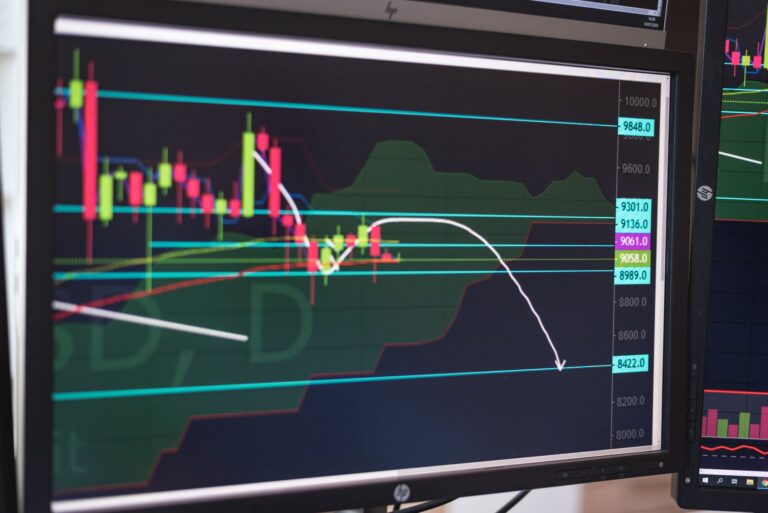
Delegations from 19 major economies arrived at the George R. Brown Convention Center as Brent crude hovered near $112 a barrel — up roughly 34 percent since U.S. strikes on Iranian infrastructure began six weeks ago. China, India, Japan and Germany are all represented, alongside oil-producing heavyweights Canada and Saudi Arabia. Russia is also expected to participate, despite ongoing diplomatic tensions with several Western delegations.
The timing couldn’t be more awkward. Washington is simultaneously asking allies to endorse a framework built around increased fossil fuel output while those same allies are absorbing painful price spikes at home.
Washington’s ‘abundance’ pitch meets skepticism
The Trump administration’s messaging centers on ramping up U.S. liquefied natural gas exports and unlocking new offshore drilling leases as a direct counter to Iranian supply disruptions. Senior officials argue America can fill the gap left by roughly 1.8 million barrels per day of Iranian crude that’s effectively been locked out of international markets since hostilities escalated.
But that argument hasn’t landed cleanly with every delegation in the room.
“We support market stability, and we’re here to talk seriously about that,” a senior German energy ministry official told reporters outside the venue Monday morning. “But stability requires a longer conversation than any single meeting can provide.”
India, which was quietly importing discounted Iranian crude before the conflict, faces some of the steepest adjustment costs. New Delhi’s delegation is expected to push hard for language protecting developing economies from energy price volatility — language the U.S. side has so far resisted.
Saudi Arabia holds unusual leverage
All eyes are on Riyadh’s delegation. Saudi Arabia has the capacity to raise output by an estimated 2 million barrels per day within months, and both Washington and Beijing are courting Riyadh’s cooperation. OPEC+ meetings scheduled for later this month could determine whether that extra supply actually materializes.
Still, Saudi officials have been careful not to commit publicly, preferring to let the market uncertainty work in their favor for now.
What happens next
The Houston meetings run through Wednesday. A joint communiqué is expected, though negotiators privately acknowledge significant gaps remain on subsidy reform language and emissions targets — issues that feel almost secondary against the immediate drama of a shooting war reshaping energy flows in real time.
Whatever emerges from Texas, the global energy order that existed before U.S. strikes on Iran won’t simply snap back into place. The next 90 days — covering OPEC+ decisions, potential ceasefire talks, and the Northern Hemisphere winter demand spike — will tell the real story.