Nepal-Tibet floods death toll passes 600 with 3,000 still missing
The death toll from catastrophic flash floods that tore through Nepal and China’s Tibet autonomous region has climbed past 600, with rescue teams racing against time Saturday to find nearly 3,000 people still unaccounted for days after the disaster struck.
Scale of the disaster
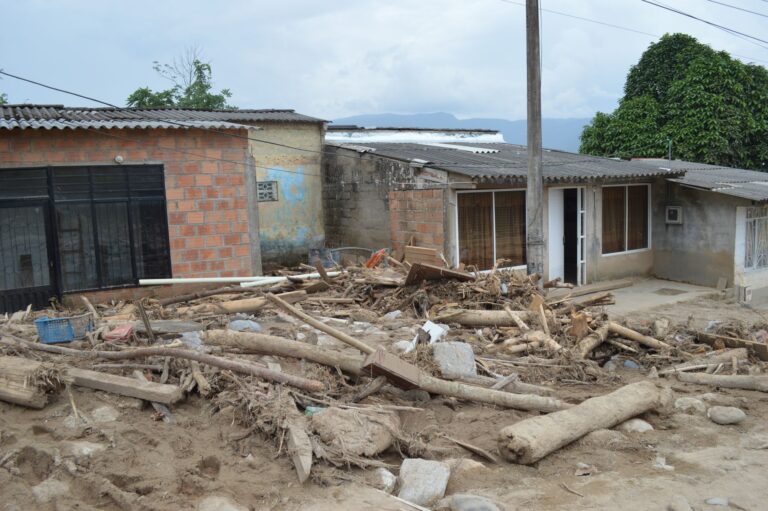
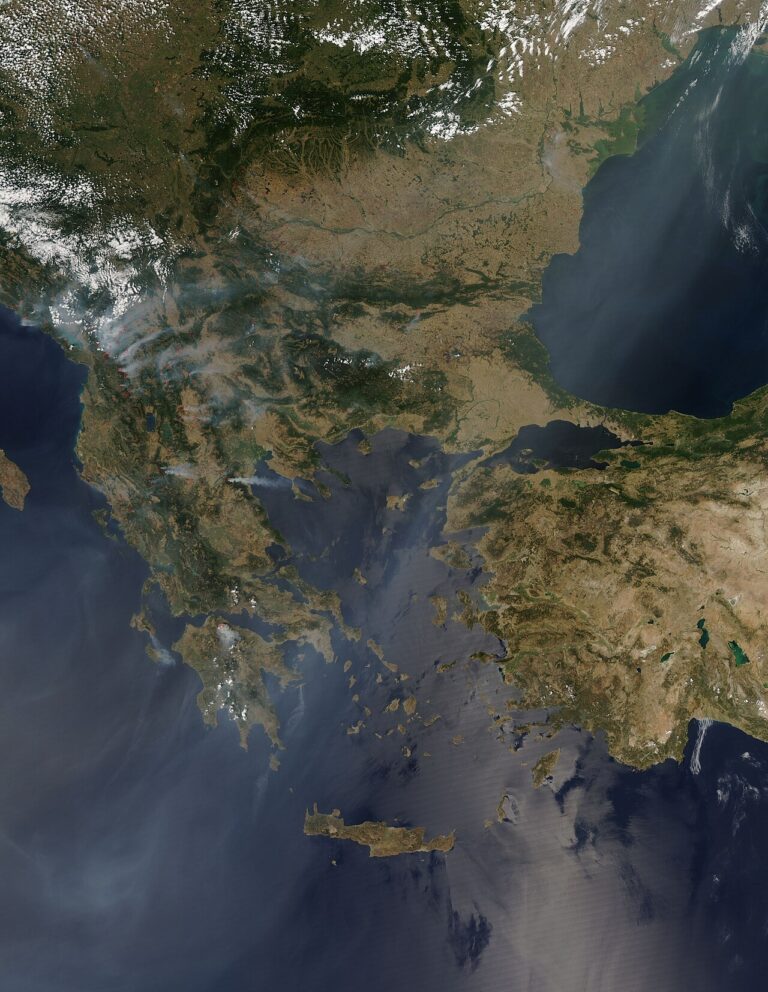
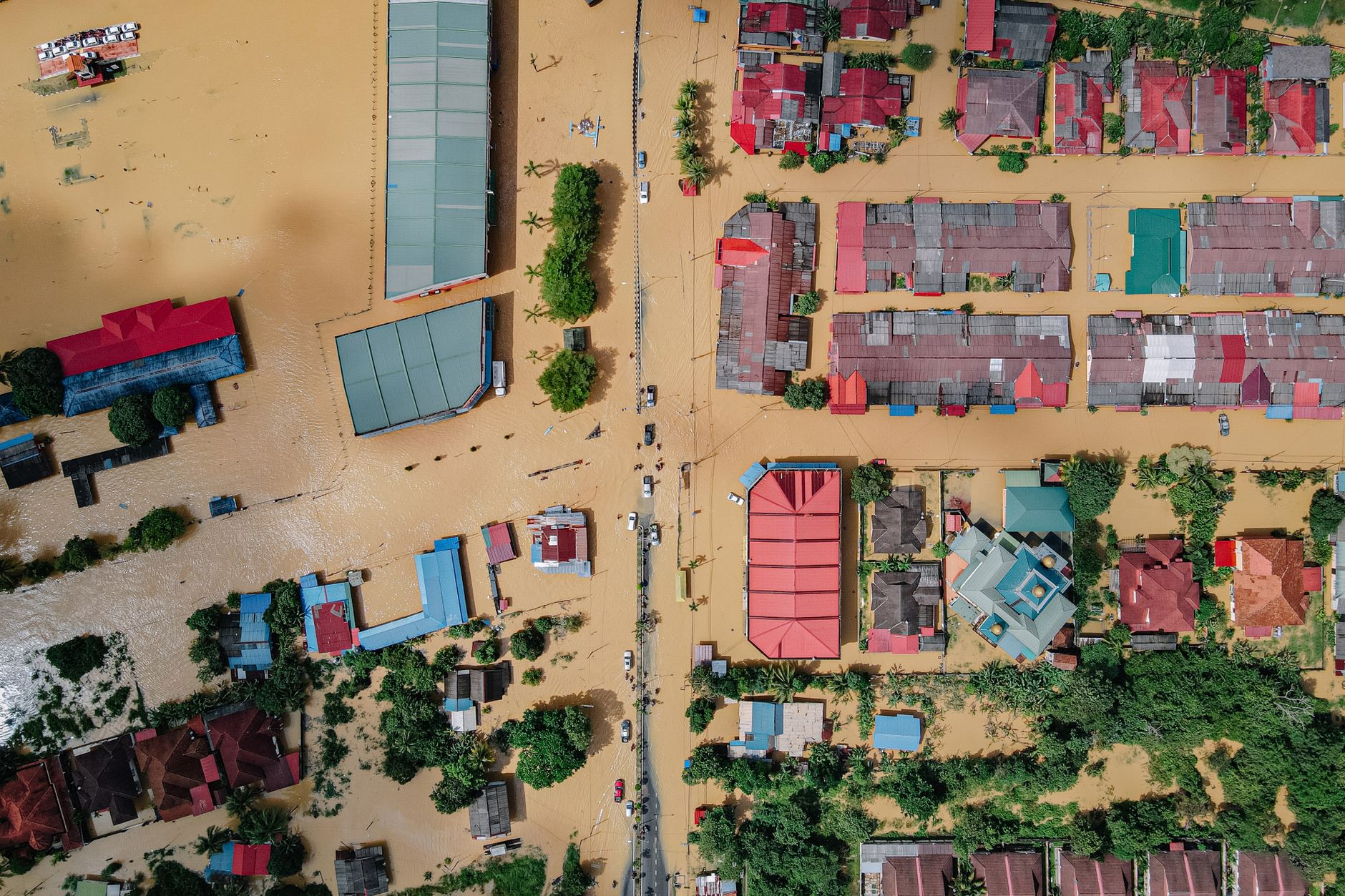
Emergency teams had recovered 633 bodies by Friday evening, officials confirmed, but the true scale of the catastrophe may be far worse. Entire villages in low-lying river valleys were swallowed whole when surging floodwaters roared down from the Himalayas, carrying mud, boulders, and debris that buried homes under meters of silt. Satellite imagery shows stretches of riverbank that simply don’t exist anymore. It’s one of the deadliest flood events to hit the region in decades.
The floods struck with little warning, hitting during a period of intense monsoon rainfall that experts say was significantly heavier than seasonal averages. Communities that had weathered floods before weren’t prepared for water levels that rose this fast, this violently.
Rescue teams face brutal conditions
Search and rescue operations have been grueling. Helicopters are struggling to reach the worst-affected areas because of persistent low cloud cover and unstable weather. Ground teams are working through chest-deep mud and navigating roads that were washed out in the first hours of the flooding. In some of the hardest-hit districts of northern Nepal, rescuers have had to carry equipment on foot for hours just to reach devastated communities.
“We are doing everything we can, but the terrain and the weather are making this extraordinarily difficult,” a Nepalese disaster management official said Saturday. “Our teams haven’t stopped.”
On the Tibetan side of the border, Chinese state media reported that military units had been deployed alongside local emergency services, with more than 1,200 personnel involved in search operations across affected counties.
Communities shattered
The human toll extends well beyond the death count. Tens of thousands of people have been displaced, sheltering in temporary camps where food, clean water, and medical supplies are still desperately short. Families are waiting at collection points for any news of relatives. Some have been waiting for four days.
Still, survivors are being pulled from the wreckage. Rescuers in Nepal’s Sindhupalchok district reported finding a 67-year-old man alive Saturday morning, buried under rubble for more than 72 hours. But such moments are becoming rarer.
What comes next
The monsoon season in Nepal typically runs through mid-September, meaning more heavy rainfall is likely in the coming weeks. Aid organizations are warning that damaged infrastructure — broken bridges, collapsed roads, severed communication lines — will complicate not just the ongoing rescue effort but the longer-term humanitarian response.
International assistance has begun arriving, with India, the United Nations, and several European governments pledging support. But getting that help to the people who need it most remains the immediate, and enormous, challenge.