Ocean protection critical as rapid changes threaten Earth
The world’s ocean is changing faster than at any point in human history, and scientists warn that humanity’s survival depends on immediate action to protect the vast blue expanse that covers 71 per cent of our planet.
From regulating global temperatures to producing half the oxygen we breathe, the ocean serves as Earth’s life support system. Yet decades of overfishing, pollution, and climate change have pushed marine ecosystems to the brink. Sea surface temperatures hit record highs in 2023, coral reefs are bleaching at unprecedented rates, and fish stocks that feed billions are collapsing.
The Economic Stakes
It’s not just an environmental crisis. The ocean economy supports more than 3 billion people worldwide who depend on marine resources for their livelihoods. Coastal communities from Indonesia to Peru rely on fishing, tourism, and maritime trade worth an estimated $2.5 trillion annually. But that foundation is crumbling.
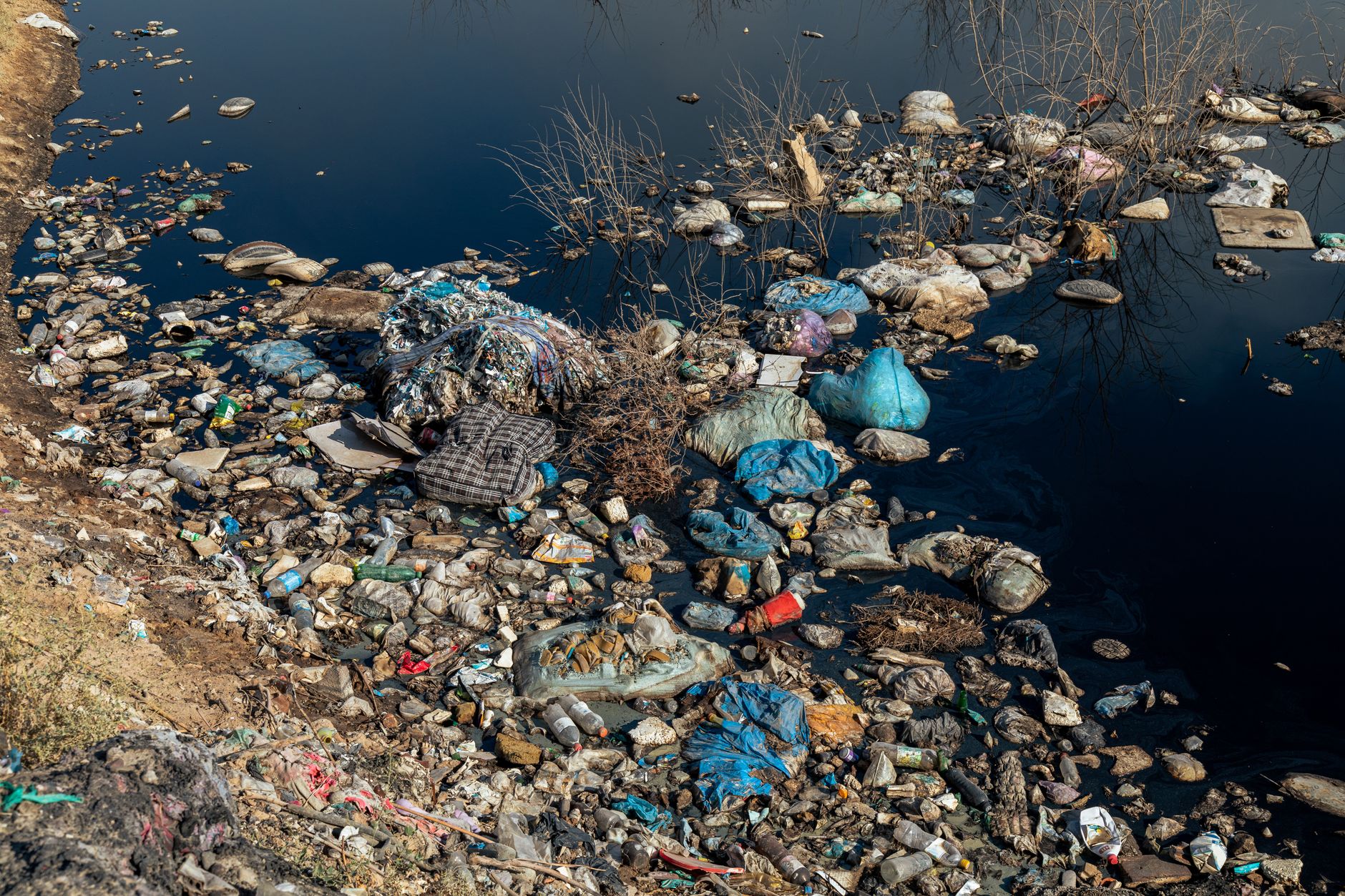
And the numbers tell a stark story. Since 1970, populations of marine mammals, birds, and fish have declined by an average of 49 per cent. Plastic waste now outweighs fish in some ocean regions. Dead zones—areas with too little oxygen to support marine life—have quadrupled since 1950.
Climate Connection
The ocean absorbs about 90 per cent of the excess heat trapped by greenhouse gases and roughly 25 per cent of carbon dioxide emissions. That’s been a crucial buffer against more severe climate change. But there’s a limit to what it can take.
“We’ve treated the ocean as if it’s too big to fail, but we’re learning that’s simply not true,” said Dr. Maria Santos, director of the International Marine Conservation Initiative. “The warning signs are everywhere, and we’re running out of time to respond.”
A Path Forward
Still, solutions exist. Countries have pledged to protect 30 per cent of ocean areas by 2030, though only 8 per cent currently have meaningful protection. Sustainable fishing practices, pollution reduction, and massive restoration projects could reverse decades of damage.
The technology is there. The science is clear.
What’s needed now is political will and public pressure to match the scale of the crisis. Because if the ocean fails, humanity won’t be far behind. Every breath we take, every meal we eat, every stable climate pattern we depend on—it all connects back to that blue expanse that’s been sustaining life for billions of years. The question isn’t whether we can afford to protect it. It’s whether we can afford not to.