Ocean plastics: five critical facts you need to know now
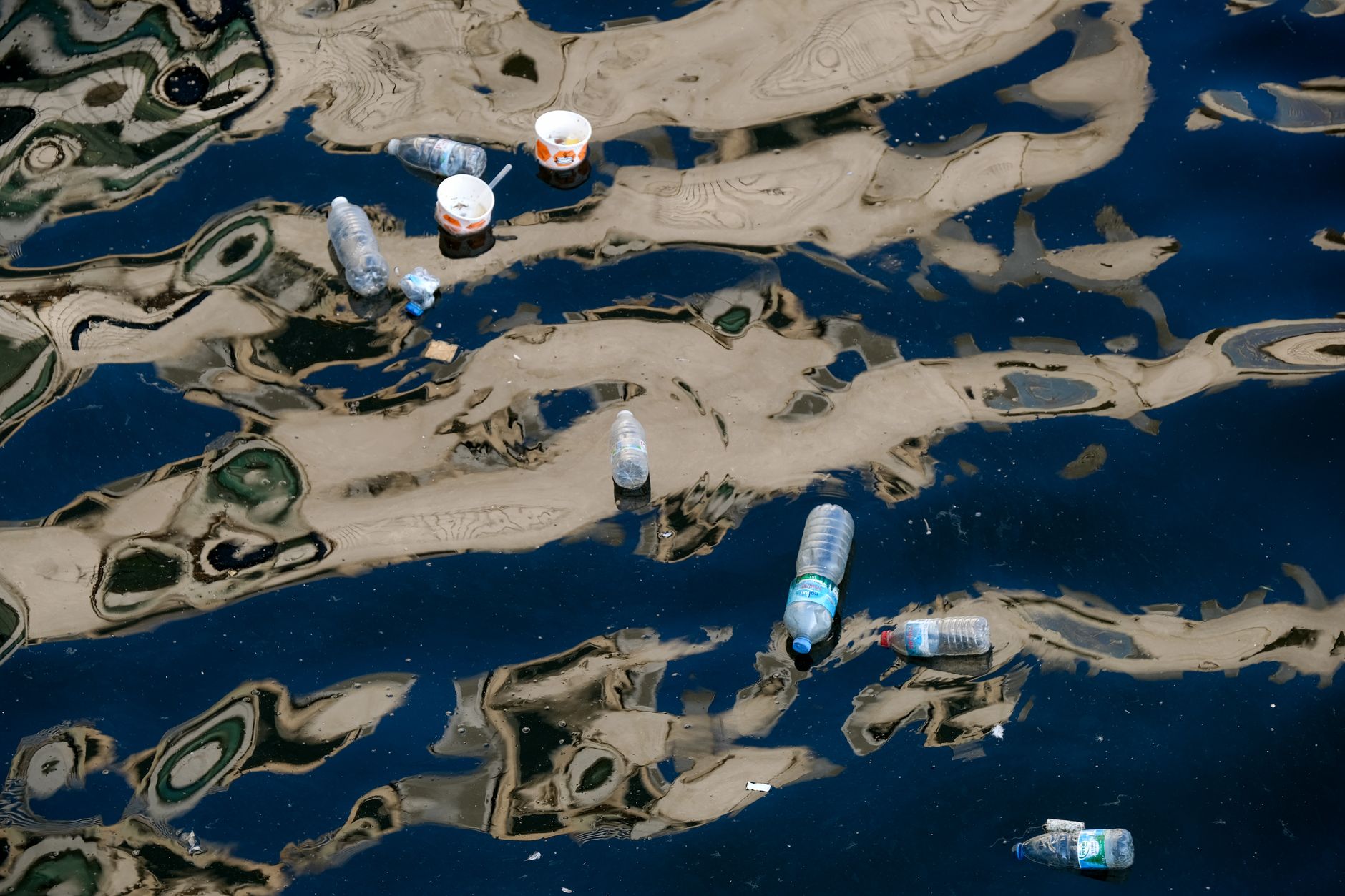
Every minute, the equivalent of one garbage truck filled with plastic waste pours into the world’s oceans. It’s a staggering figure that’s grown worse each year, but the true scope of ocean plastics extends far beyond what floats on the surface.
From surgical gloves to water bottles, shopping bags to chewing gum, plastic has become inescapable. That convenience comes at a cost we’re only beginning to understand.
The Numbers Don’t Lie
Approximately 8 million tons of plastic waste enters the oceans annually. That’s roughly 17.6 billion pounds—enough to cover every coastline in the world. By 2050, scientists predict there will be more plastic in the ocean than fish by weight.
But here’s what’s really alarming: only 9% of all plastic ever produced has been recycled. The rest sits in landfills, gets burned, or ends up in our waterways.
It’s Not Just About Turtles
While images of sea turtles tangled in plastic bags grab headlines, the problem runs deeper. Microplastics—particles smaller than 5 millimeters—have infiltrated every level of the marine food chain. They’ve been found in Arctic ice, the Mariana Trench, and in 90% of seabirds.
And they’re in us too. Studies show the average person consumes roughly 5 grams of plastic weekly—that’s about the weight of a credit card. These particles enter our bodies through seafood, drinking water, and even the air we breathe.
The Economic Toll Is Massive
Ocean plastics aren’t just an environmental issue. They cost the global economy an estimated $13 billion each year through damage to marine ecosystems, tourism, and fishing industries. Coastal communities that depend on fishing have watched their catches decline as plastic pollution disrupts breeding grounds and kills marine life.
“The plastic crisis affects every nation with a coastline,” said Dr. Maria Chen, director of the Marine Conservation Institute. “We’re not just talking about environmental damage anymore—this is about food security, human health, and economic stability.”
Solutions Exist, But They Need Momentum
Countries like Rwanda and Kenya have implemented strict plastic bag bans with remarkable success. Several European nations now require manufacturers to cover the cost of plastic waste management. And innovative startups are developing biodegradable alternatives that break down in months rather than centuries.
Yet individual action matters too. Refusing single-use plastics, supporting businesses with sustainable packaging, and pressuring lawmakers for stronger regulations all make a difference.
The ocean plastic crisis won’t solve itself. But with coordinated action across governments, industries, and individuals, there’s still time to turn the tide—before plastic permanently alters life as we know it.