Heatwave adaptation: Why our buildings aren’t ready for extreme heat
As record-breaking temperatures scorch cities across Europe and beyond, a growing chorus of urban planners and architects is sounding the alarm: the buildings and neighbourhoods we live in simply weren’t designed for this. Heatwave adaptation has become one of the most pressing — and complicated — challenges facing city governments today.
Designed for a different climate
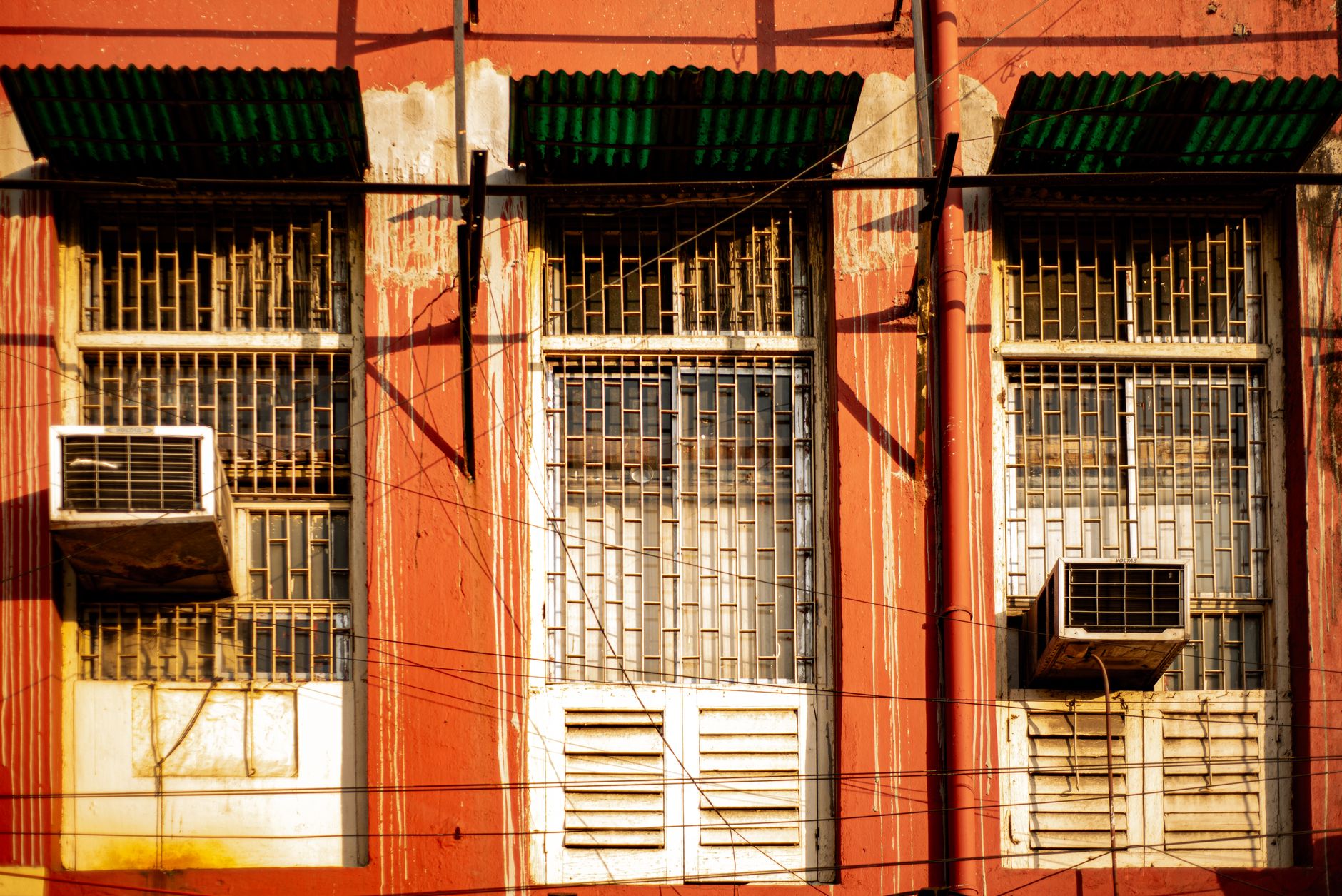
Most urban housing stock in temperate regions was built during an era when a warm summer was a pleasure, not a threat. In France alone, an estimated 30 million homes lack adequate insulation or cooling infrastructure. Glass-heavy office towers trap heat like greenhouses. Dense urban cores — packed with asphalt, concrete, and dark rooftops — generate what scientists call the “urban heat island” effect, pushing temperatures 4 to 8 degrees Celsius higher than surrounding rural areas.
Stéphane Kirkland, an urban planning specialist, has outlined some of the structural obstacles that make rapid adaptation so difficult. It’s not just a question of money, he argues. It’s about the sheer scale of the existing built environment and how slowly it changes.
The retrofit problem
Retrofitting a building is expensive, disruptive, and technically complex. And for older or heritage structures, it can be almost impossible without compromising architectural integrity. Installing green roofs, improving ventilation, adding external shading — these interventions cost tens of thousands of euros per building. Multiply that across an entire city block, and the numbers become staggering.
But cost isn’t the only barrier. Ownership is fragmented. A single apartment building might have dozens of individual owners, each with veto power over common-area renovations. Coordination alone can take years.
Neighbourhood-level solutions are complicated too
Urban greening — planting trees, creating parks, installing water features — is widely cited as one of the most effective ways to cool neighbourhoods. Yet cities face competing pressures on every square metre of space. Parking, infrastructure, housing density: these needs don’t disappear just because the mercury is rising.
“We need to rethink public space from the ground up, and that means making difficult trade-offs,” said one city planning official in a recent policy briefing. “There’s no simple fix here.”
Still, some cities are moving faster than others. Barcelona has been converting so-called “superblocks” — clusters of streets closed to most traffic — into shaded community spaces. Vienna has planted over 4,500 trees in dense residential districts since 2020 alone.
Time is the real enemy
The 2003 European heatwave killed an estimated 70,000 people. The summers since have only gotten more intense. Scientists project that by 2050, cities like Paris and Madrid could experience heat conditions once considered extreme as a routine summer occurrence.
So the urgency is real. Building codes are slowly being updated, and EU funding is increasingly targeting climate resilience. But the gap between policy ambition and ground-level change remains wide — and the heat won’t wait for the paperwork to catch up.