Wildfires surge across Europe as Spain and France battle blazes
Wildfires are tearing through Europe at an alarming rate, with Spain and France fighting some of the most destructive blazes seen in years. New data from the World Health Organization in Europe reveals that the total area burned across the continent has surged by 57 per cent in just four years — a figure that’s sending shockwaves through emergency services and climate agencies alike.
Scale of destruction
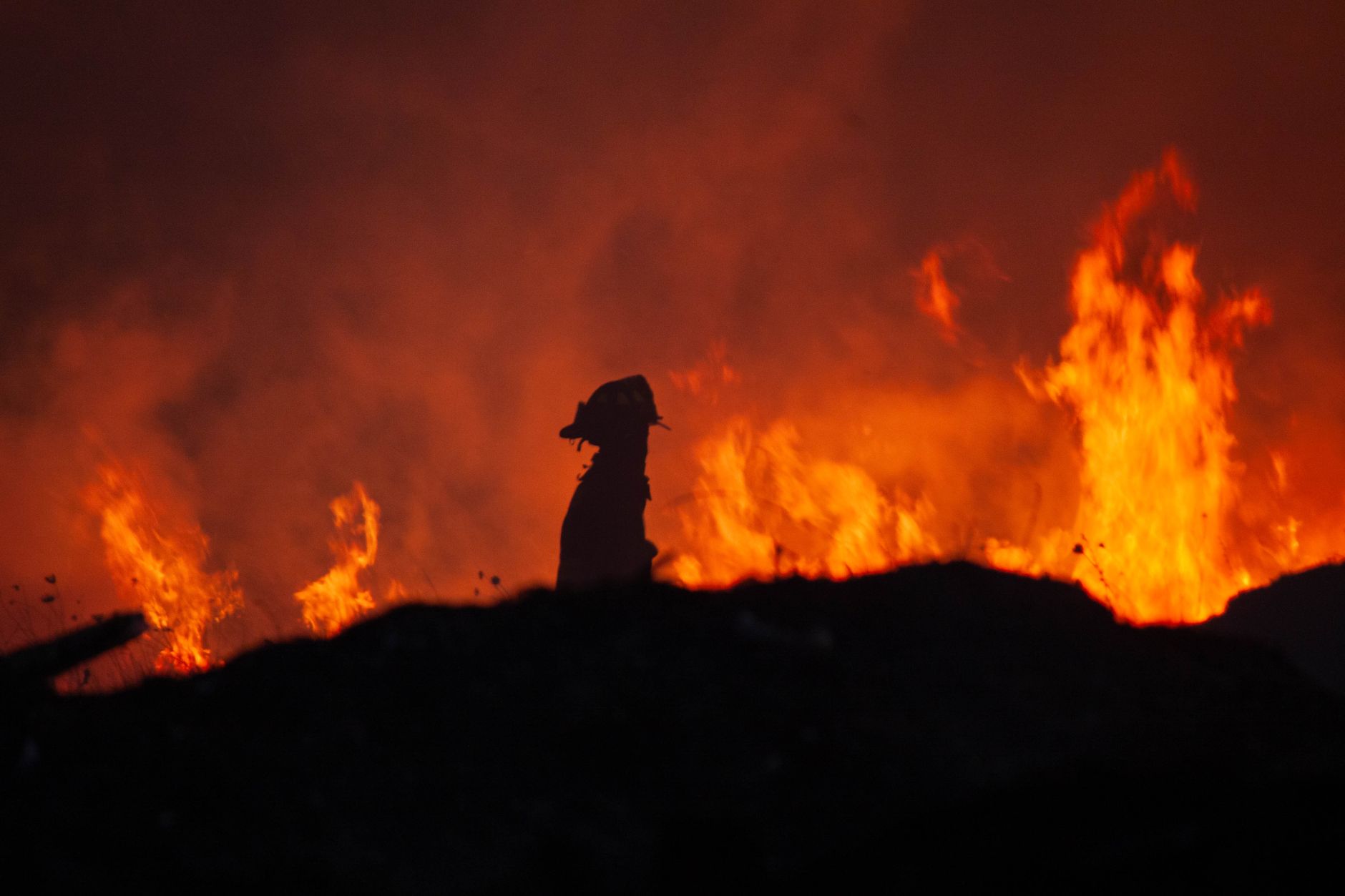
In Spain, fires have ripped through tens of thousands of hectares across the Valencia and Castile-La Mancha regions, forcing mass evacuations and stretching firefighting resources to their limits. France is dealing with its own crisis, with blazes concentrated in Brittany and the Gironde — an area still scarred from fires two summers ago. Hundreds of residents have been forced from their homes, and authorities have warned that dry conditions show no sign of easing. So far this season, European emergency response teams have logged more active fire fronts than at any comparable point in the past decade.
WHO data paints grim picture
The WHO figures don’t just capture the scale of the fires. They capture the speed at which things are getting worse. Land burned across Europe climbed from roughly 300,000 hectares four years ago to well over 470,000 hectares in the most recent reporting period. That’s not a gradual trend — it’s a sharp, steep curve upward. And health officials are concerned not only about direct fire damage but about the long-term respiratory effects on populations exposed to prolonged smoke and toxic air quality.
Air quality alerts have been issued in parts of southern France and eastern Spain, with particulate matter levels far exceeding safe thresholds.
Officials warn of systemic failure
“We are no longer dealing with isolated seasonal events,” said a senior European civil protection official. “What we’re seeing is a structural shift in fire risk across the continent, and our response frameworks need to reflect that urgency.”
Critics have pointed out that forest management budgets across several EU member states were cut in the years following the 2008 financial crisis and still haven’t fully recovered. Others argue that urban planning in fire-prone zones has been dangerously lax, with new housing developments built in areas that were clearly high risk. Both factors, experts say, are amplifying what climate change is already making worse.
What comes next
Weather forecasters are offering little comfort. Extended heat and drought conditions are predicted across the Iberian Peninsula and parts of southern France through at least the next three weeks. That won’t give firefighters the window they need to fully contain existing blazes before new ones ignite. European Union emergency coordination mechanisms have been activated, with aerial firefighting assets being shared between member states. But with multiple countries burning simultaneously, that pool of resources is being stretched thin. Climate scientists say that without dramatic reductions in emissions and serious investment in fire-resilient landscapes, summers like this one will simply become the norm.