Flávio Bolsonaro to challenge Lula after securing party nomination
Flávio Bolsonaro has locked in his party’s nomination to run for Brazil’s presidency, setting up a direct confrontation with incumbent Luiz Inácio Lula da Silva in what’s shaping up to be one of the most internationally charged elections in the country’s recent history.
A family brand back on the ballot
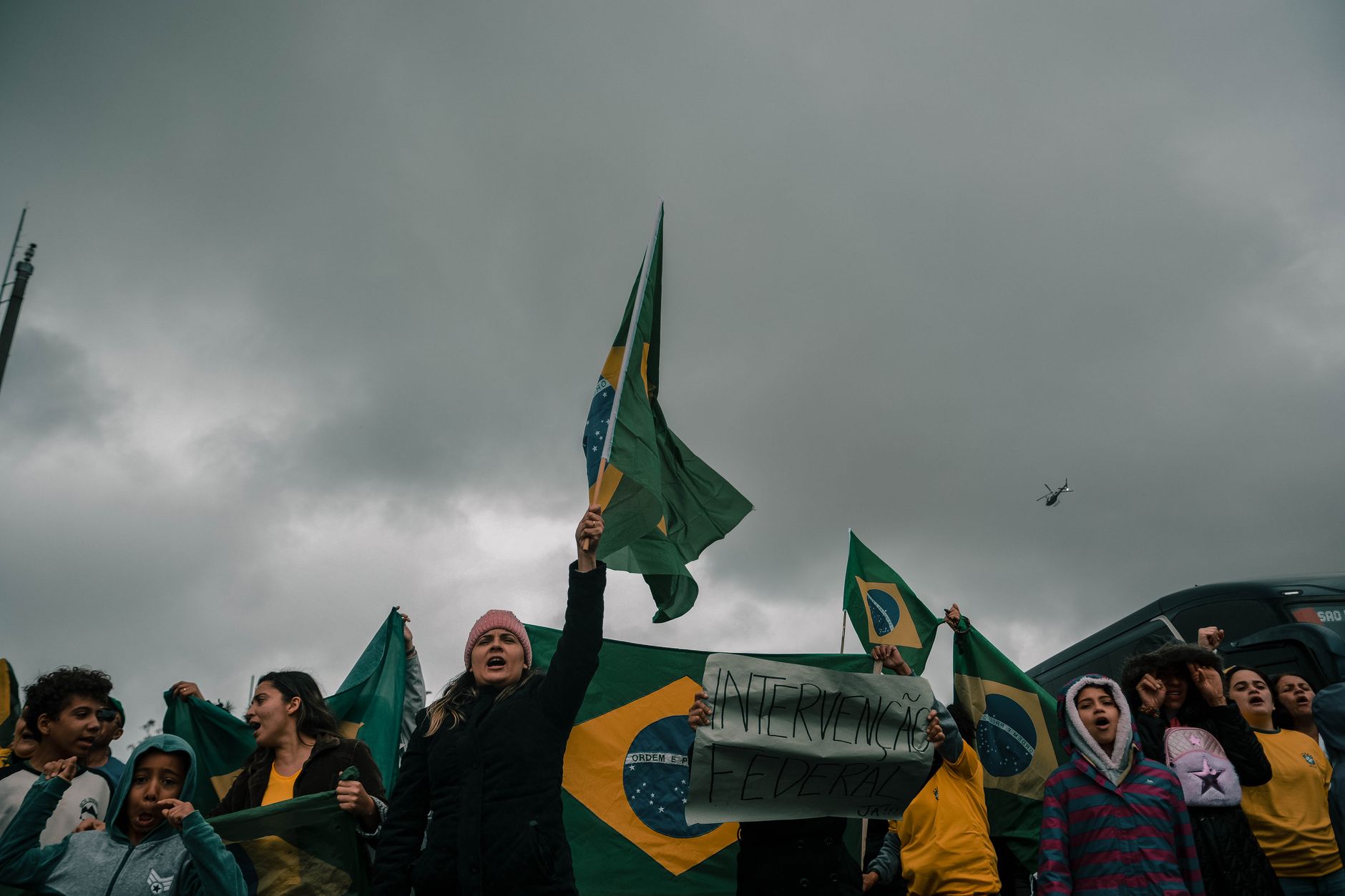
The eldest son of former president Jair Bolsonaro, Flávio secured the backing of the Liberal Party — the same vehicle his father rode to power in 2018 — after internal negotiations that stretched over several weeks. He’s positioning himself as the natural heir to Brazil’s nationalist right, a movement that still commands fierce loyalty in large parts of the country’s interior and among evangelical voters. Polls currently show Lula holding a lead of roughly 12 percentage points, but the election is still more than a year away. A lot can change.
Milei and Netanyahu offer early backing
The nomination didn’t come quietly. Argentine President Javier Milei was among the first foreign leaders to offer his public endorsement, calling Flávio “a true defender of freedom in Latin America” at an event in Buenos Aires last week. Israeli Prime Minister Benjamin Netanyahu sent a written message of support, a gesture that was quickly amplified by Bolsonaro’s campaign on social media. Both endorsements were clearly strategic. They signal an attempt to build a cohesive international bloc of right-wing governments, mirroring the network Jair Bolsonaro cultivated during his presidency.
Flávio’s team is now actively pursuing endorsements from figures close to US President Donald Trump, including several members of Trump’s outer circle in Florida. No formal statement from Trump himself has been issued.
What Lula’s camp is saying
The Workers’ Party didn’t seem particularly rattled. “We’ll compete on our record,” said a senior government official, speaking on background. “Brazilians will judge four years of results, not foreign cheerleading.” Still, Lula’s allies are watching the international dimension closely. A consolidated right-wing axis linking Brasília, Buenos Aires, Washington and Tel Aviv — even a loose one — would represent a real communications challenge for the left heading into a campaign.
Lula himself has faced headwinds lately. Inflation has cooled but cost-of-living pressures remain real for working-class families, and his approval rating dipped to 43% in the most recent Datafolha survey conducted in late May.
What comes next
Brazil’s first-round vote is scheduled for October 2026, with a potential runoff three weeks later. Flávio will need to rapidly expand his coalition beyond the Bolsonarista base — moderate conservatives, rural business interests and younger voters disillusioned with both major parties are all targets. His father remains legally barred from running following a court ruling tied to his conduct in office. But that doesn’t make the Bolsonaro name a liability. For millions of Brazilians, it’s still a rallying cry.