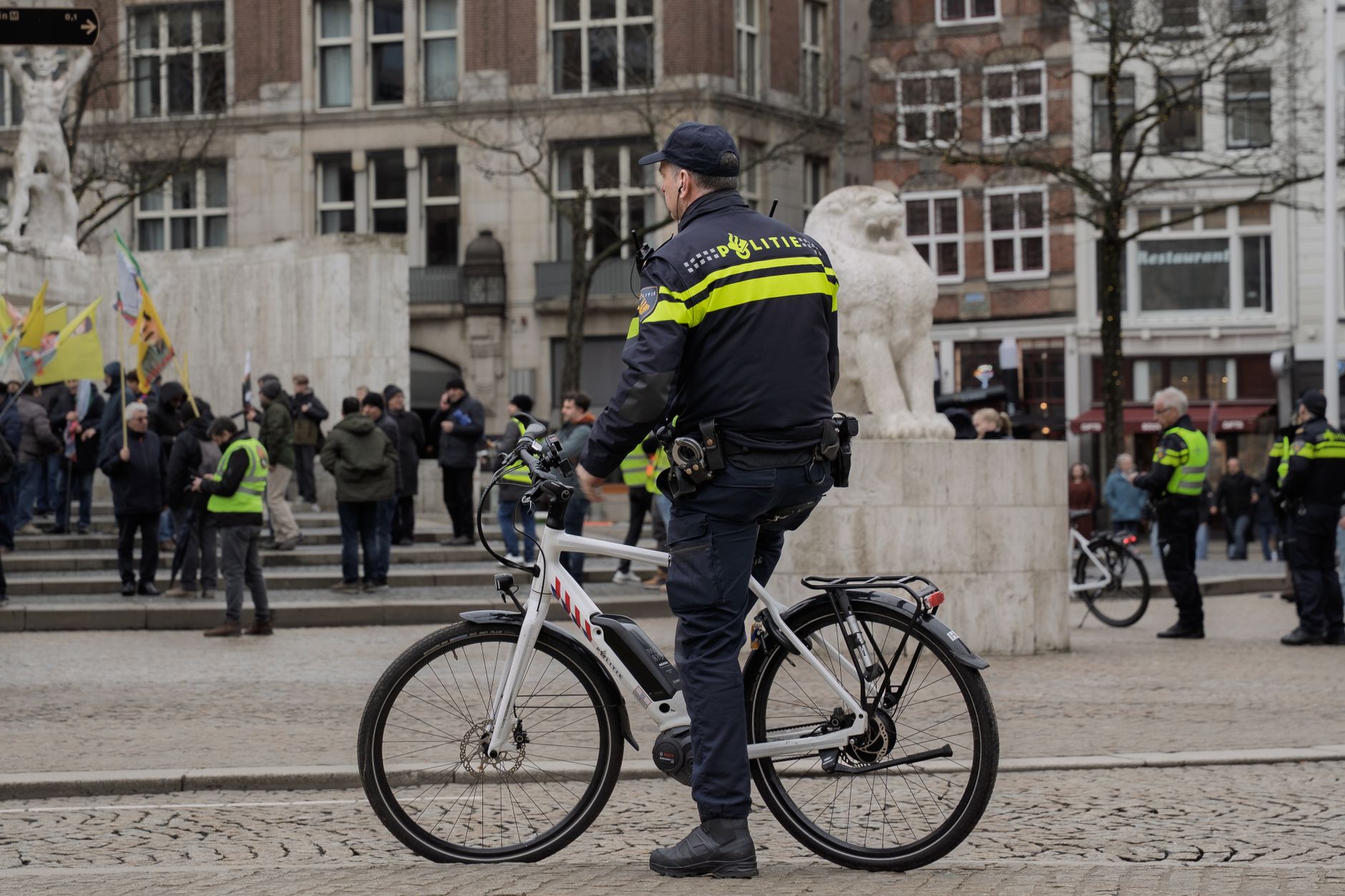
Europe morning news bulletin: top stories July 27, 2026
Europe woke up to a packed Monday morning news bulletin on July 27th, 2026, with political tensions, economic data, and a major cultural milestone all competing for top billing. Here’s what you need to know before the week truly begins.
Politics: French coalition talks reach breaking point
Paris is on edge. After 11 days of negotiations, France’s fragile three-party coalition government appeared close to collapse Sunday night, with the centrist Reform Alliance threatening to withdraw its 47 parliamentary seats over a disputed infrastructure spending bill. Prime Minister Delacroix called an emergency cabinet session scheduled for 9 a.m. local time, though two senior ministers were reportedly unreachable as of early Monday. It’s a situation that Brussels is watching closely, given France’s rotating presidency of the EU Council ends in just 58 days.
“We remain committed to stable governance, but not at the cost of fiscal responsibility,” a government spokesperson told reporters outside the Élysée Palace late Sunday.
Economy: Eurozone inflation ticks up for second straight month
Bad news for households across the bloc. Fresh data from Eurostat released Monday morning showed eurozone inflation climbing to 3.1% in July, up from 2.8% in June. Energy prices drove most of the increase, rising 6.4% year-on-year. Still, core inflation — which strips out food and energy — held relatively steady at 2.3%, giving ECB officials some room to breathe ahead of their September rate decision. Markets reacted cautiously, with the euro dipping 0.4% against the dollar in early Frankfurt trading.
Germany and Spain reported the sharpest household energy cost increases, at 8.1% and 7.6% respectively.
World: Ceasefire fragile as talks continue in Geneva
Diplomats in Geneva are now entering their fourth consecutive day of negotiations aimed at extending a 72-hour humanitarian ceasefire in the eastern Mediterranean conflict zone. The window is closing fast — the current truce expires at 18:00 GMT Monday. And while UN mediators described Saturday’s session as “constructive,” Sunday’s talks broke down for nearly six hours over disputed aid corridor access. Aid agencies say approximately 340,000 civilians remain in areas without reliable access to clean water or medical supplies.
The next 12 hours will likely determine whether the ceasefire holds or collapses entirely.
Culture and travel: Venice launches bold overtourism crackdown
Venice didn’t waste any time. Starting Monday, the city officially extended its controversial day-tripper fee — introduced in 2024 — to a year-round model, with peak-season charges rising from €5 to €12 per visitor on weekends between June and September. City officials say revenue from the scheme will fund canal restoration projects and subsidise housing for local residents, whose population has fallen below 48,000 for the first time in recorded history. But travel industry groups aren’t happy, warning the move could push tourists toward cheaper alternatives like Dubrovnik and Porto.
Whether the fee genuinely eases pressure on the lagoon city, or simply redirects it, remains the real question heading into August — Europe’s single busiest travel month.