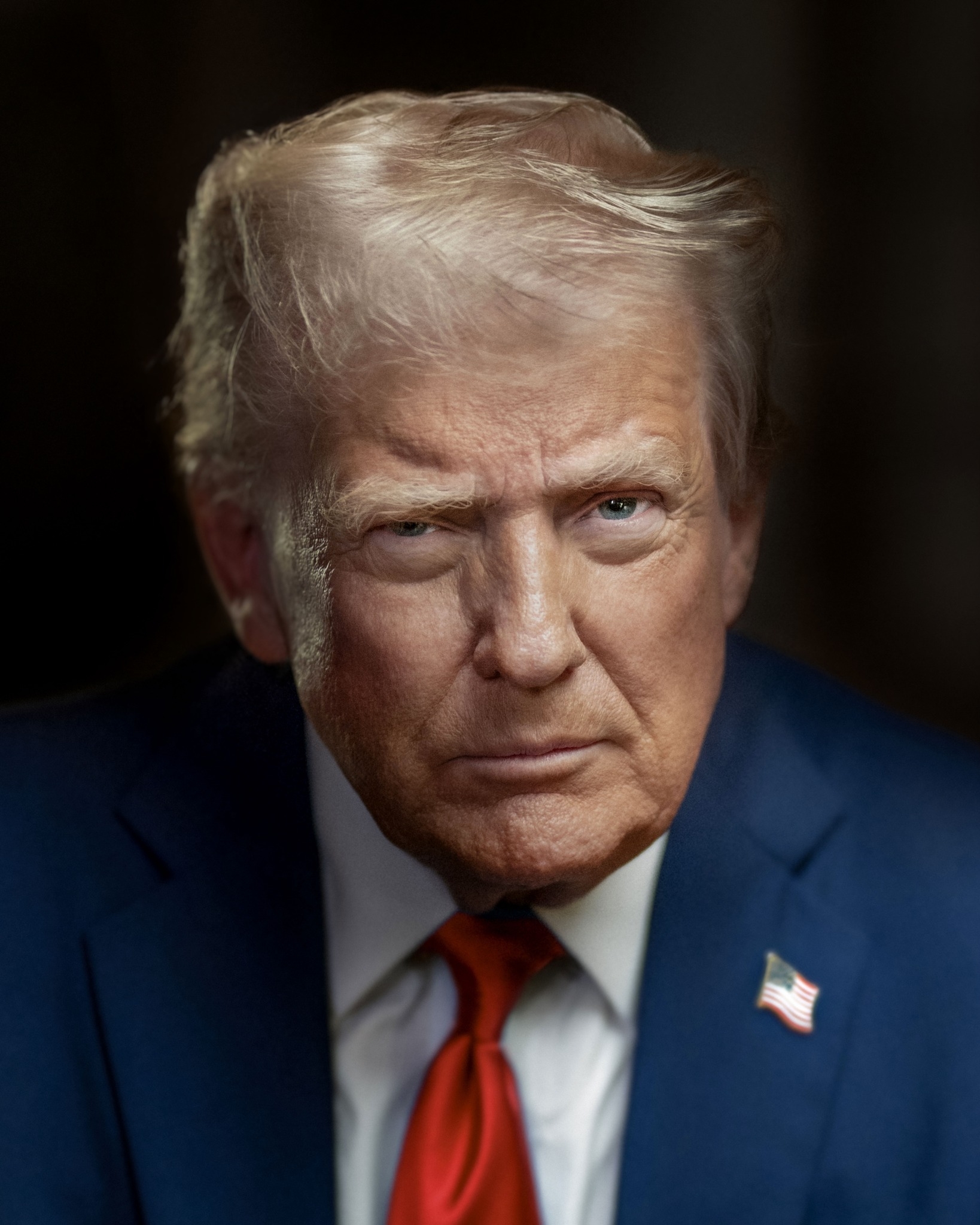
Trump denies US agreed to Ukraine producing Patriot missiles
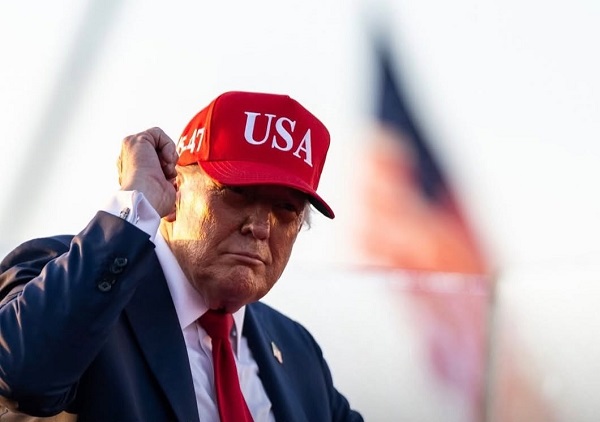
President Donald Trump flatly contradicted Ukrainian President Volodymyr Zelensky on Friday, saying Washington had not agreed to allow Ukraine to manufacture Patriot air defense missiles on its own soil — a claim Zelensky had made publicly just days after the two leaders met earlier this week.
What Zelensky said — and what Trump says he got wrong
Zelensky told reporters Thursday that the talks had produced an agreement in principle for Ukraine to eventually produce Patriot missiles domestically, a move that would represent a major shift in US policy and a significant boost to Kyiv’s long-term defense capabilities. But Trump pushed back hard. Speaking to reporters at the White House on Friday morning, he said flatly, “We never agreed to that.” He didn’t elaborate on what specifically was discussed, but his denial was unambiguous.
The Patriot missile system, built by Raytheon, costs roughly $4 million per interceptor missile. Ukraine has relied heavily on the system to defend against Russian air strikes, and getting domestic production rights would dramatically reduce its dependence on Western deliveries that have been inconsistent since the war began in February 2022.
A familiar pattern of mixed signals
It’s not the first time the two leaders have walked away from a meeting with apparently different accounts of what was agreed. Zelensky’s government has been eager to show domestic audiences that diplomatic efforts are yielding concrete results. Trump, meanwhile, has repeatedly shown reluctance to make binding commitments on military support for Ukraine — even as his administration has continued some arms transfers inherited from the Biden era.
Still, the public contradiction is striking. When two heads of state can’t agree on what they agreed to, it raises real questions about the depth of coordination happening behind closed doors.
A senior Western defense official, speaking on condition of anonymity, said they were “monitoring the situation closely” and that clarity from Washington on Patriot production rights would have significant implications for allied defense planning going forward.
What’s actually at stake
Ukraine currently operates at least six Patriot batteries, according to publicly available figures, with units sourced from the US, Germany, and the Netherlands. Producing missiles domestically would require substantial technology transfer agreements, factory investment, and ongoing US government authorization — none of which are minor bureaucratic steps.
So the gap between Zelensky’s account and Trump’s denial isn’t just a matter of optics. It represents a potentially enormous policy difference, one that could affect Ukraine’s ability to sustain air defenses if Western shipments slow or stop entirely.
What happens next
Both governments will face pressure to clarify their positions in the coming days. Ukraine’s presidential office had not issued a formal response to Trump’s comments as of Friday afternoon.
With peace negotiations still stalled and Russia continuing to launch large-scale drone and missile attacks — Ukraine logged more than 100 drones in a single overnight attack just last week — the question of who controls Patriot production rights is anything but academic.