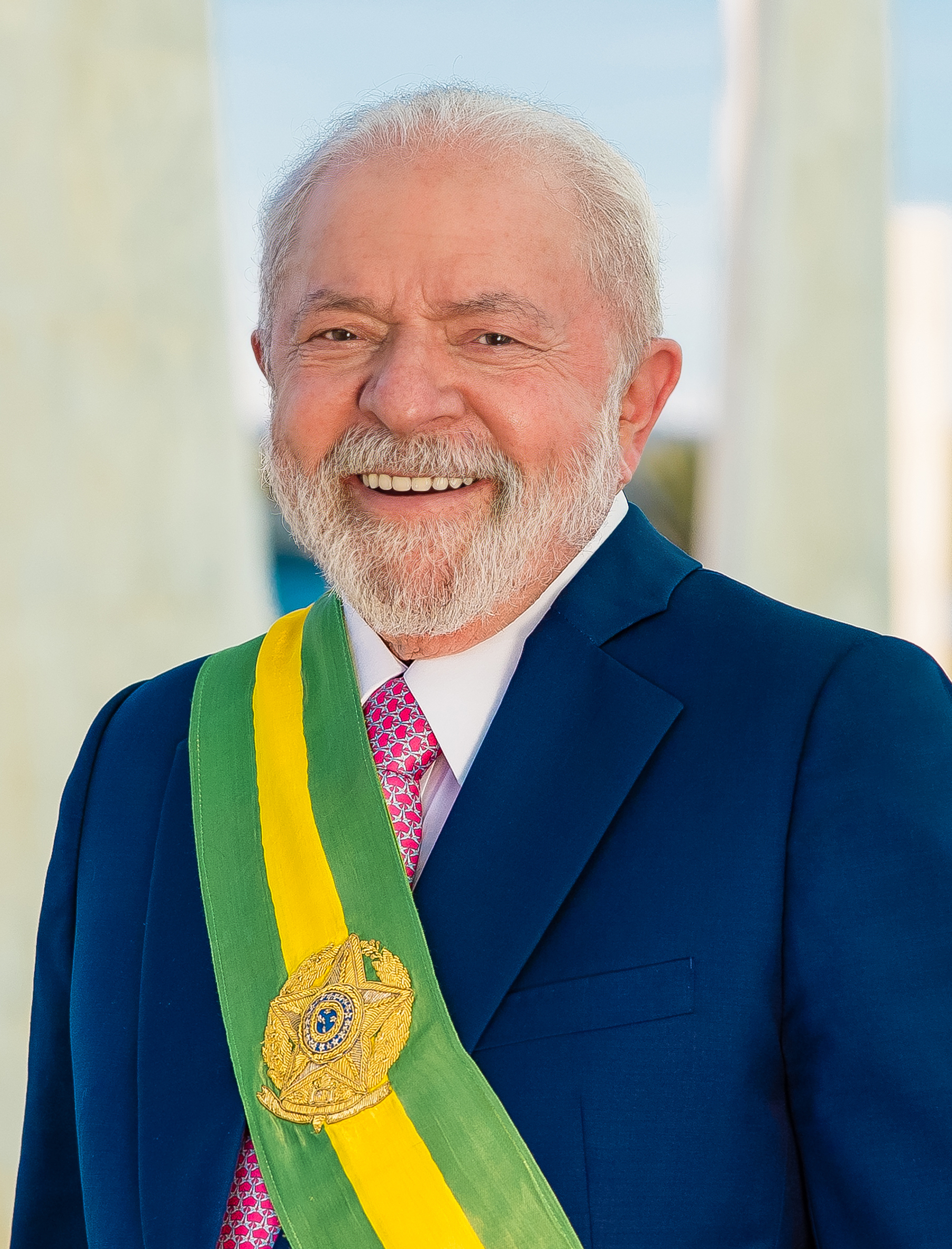
Lula da Silva launches Brazil presidency bid at 80 for October vote
Lula da Silva has formally launched his campaign for the Brazilian presidency, with the Workers’ Party confirming Saturday that the 77-year-old leftist icon — now 80 — will lead their ticket into October’s general election. The announcement, made at a packed party convention in São Paulo attended by roughly 3,000 delegates, sets the stage for yet another bruising Lula vs Bolsonaro showdown, this time against Flávio Bolsonaro, eldest son of former president Jair Bolsonaro.
A convention built for a comeback
The Workers’ Party, known by its Portuguese acronym PT, left nothing to chance at Saturday’s event. Red banners filled the Anhembi convention centre. Supporters chanted Lula’s name for nearly four minutes before he took the stage. It’s the kind of political theatre Brazil does well, and the PT has had decades of practice. Lula addressed delegates for just over 40 minutes, painting the election as a choice between democracy and what he called a return to ‘the politics of fear and division.’
Still, the optics weren’t entirely uncomplicated. At 80, Lula is the oldest candidate to seek Brazil’s presidency in the modern democratic era. His campaign team has been careful to project energy and physical vigour, releasing footage of the former president walking without assistance and holding court in strategy meetings. But the question of his health won’t disappear quietly from the conversation.
Flávio Bolsonaro: a familiar name, a new face
Facing him across the political divide is Flávio Bolsonaro, 42, senator for Rio de Janeiro and the standard-bearer for Brazil’s resurgent right after his father’s 2022 defeat. Flávio has worked hard to broaden his appeal beyond his father’s hardcore base, courting evangelical voters and rural agribusiness interests in states like Mato Grosso and Goiás. He currently polls at around 34 percent nationally, with Lula holding a narrow lead at 39 percent, according to a Datafolha survey published last week.
The race is already ugly. And most analysts expect it to get uglier.
What’s actually at stake
Brazil’s economy is the subtext for everything. Inflation has eased from its 2022 peak of 12.1 percent to just under 5 percent, but the cost of living remains a daily grievance for millions of families in the country’s northeast and urban peripheries. Lula’s government has expanded the Bolsa Família cash transfer programme to cover 21 million households, a number his team cites constantly on the trail.
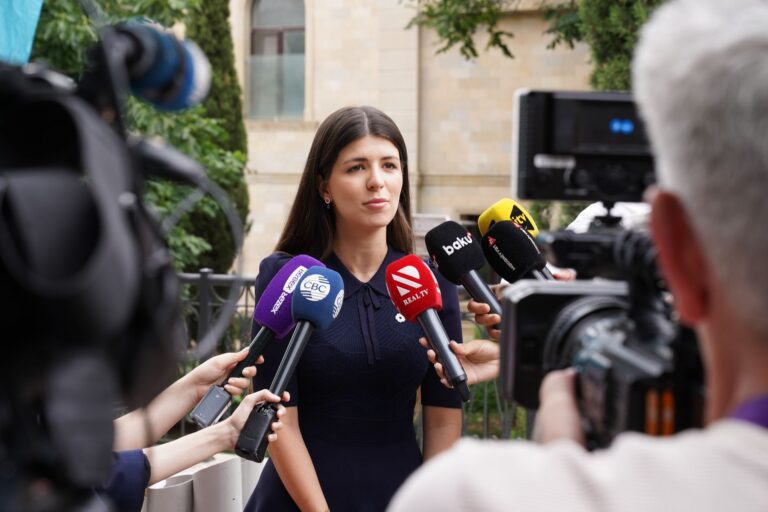
A senior PT official told reporters after the convention that ‘this election is about whether Brazil continues forward or goes back to what we were.’ The campaign declined to make Lula available for questions immediately following the event.
The months ahead
With the first round of voting scheduled for October 5th, both campaigns have roughly six months to make their case. Lula will travel to Recife and Belém next week in an early signal that the northeast and Amazon region are central to his electoral map. Whether age becomes a liability or a symbol of resilience could well determine who governs Latin America’s largest nation come January.