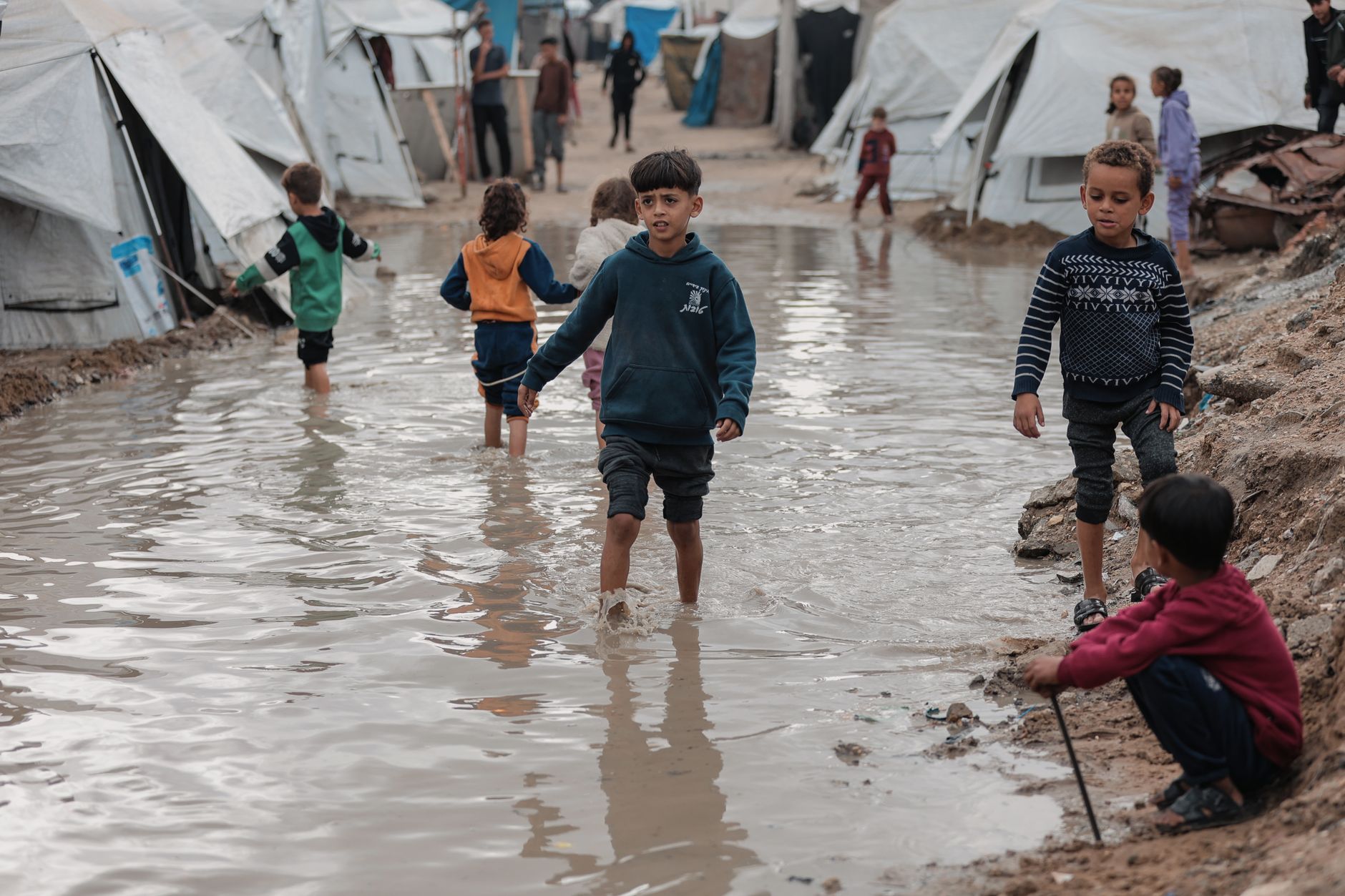
Middle East crisis humanitarian fallout ‘worsening by the day’, UN warns
The humanitarian catastrophe unfolding across the Middle East is accelerating at a pace that aid agencies say they’re struggling to keep up with, as the UN’s emergency relief coordination office OCHA warned Thursday that civilians are paying an increasingly devastating price far beyond the immediate battlefield exchanges between the US and Iran.
A region under pressure from multiple directions
It’s not just one front. Across at least five countries in the region, OCHA documented disruptions to water systems, power grids, and medical supply chains in its latest situation report. Hospitals in affected areas are reportedly operating at between 40 and 60 percent capacity, with critical shortages of fuel needed to run backup generators. Displacement figures are climbing. In some areas, local officials estimate that more than 200,000 people have been forced from their homes in the past two weeks alone.
But the numbers don’t fully capture what’s happening on the ground. Aid workers describe scenes of families sheltering in damaged buildings, with no reliable access to clean water or food supplies that haven’t been interrupted by damaged road infrastructure.
UN sounds the alarm
“The humanitarian situation is worsening by the day, and without immediate access and funding, we won’t be able to reach the people who need help most,” said a senior OCHA official briefing member states in Geneva on Thursday.
The office is calling for unimpeded humanitarian access, something that’s proved elusive in several of the most severely affected areas. Supply convoys have been halted at checkpoints, and at least three aid delivery routes remain impassable due to damaged bridges and active hostilities nearby.
Civilian infrastructure is taking the hit
The damage to civilian infrastructure is where the long-term crisis is really taking shape. Power outages lasting more than 18 hours a day have been recorded in parts of the region, knocking out water pumping stations and rendering refrigeration of medicines impossible. Schools have shuttered. Roughly 1.4 million children are currently out of education across the affected zones, according to UNICEF figures cited in the OCHA report.
The health system is close to breaking point in several areas.
And it’s not just the immediate casualties from strikes that are driving mortality concerns. Aid agencies are warning that a secondary wave of deaths from preventable disease, malnutrition, and untreated chronic conditions is already beginning to emerge.
What comes next
International diplomatic efforts to carve out humanitarian corridors are ongoing, but they’ve so far produced little in the way of concrete results. Several donor governments have pledged emergency funding — the total so far sits around $340 million against an estimated need of over $1.2 billion — leaving a significant gap.
OCHA says it will release an updated flash appeal within days. Whether that translates into actual relief reaching civilians depends heavily on whether fighting subsides enough to allow access. Right now, that still looks uncertain. Aid officials say they’re planning for the situation to get worse before it gets better.