Drone strikes in Sudan killing civilians, blocking aid deliveries
Drone strikes across Sudan are killing and wounding civilians while cutting off humanitarian workers from reaching some of the country’s most desperate communities, the UN’s aid coordination office OCHA warned on Monday. The attacks are making an already catastrophic situation dramatically worse.
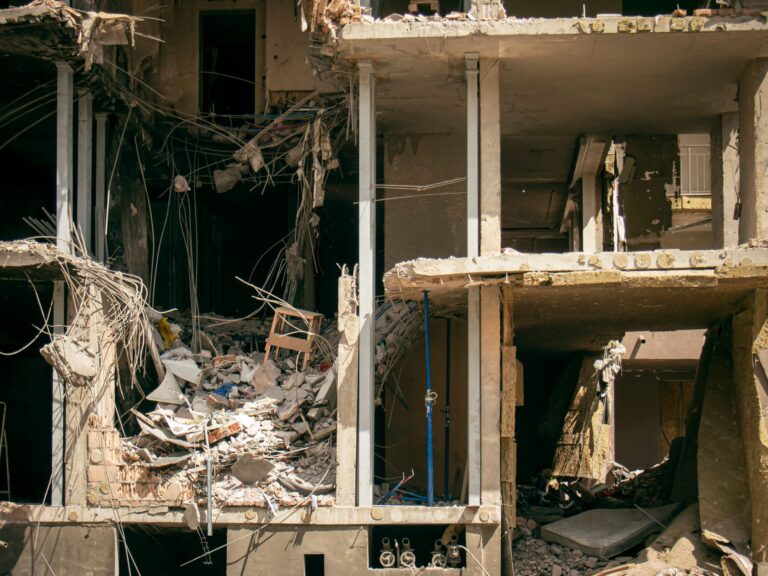
Strikes hitting populated areas
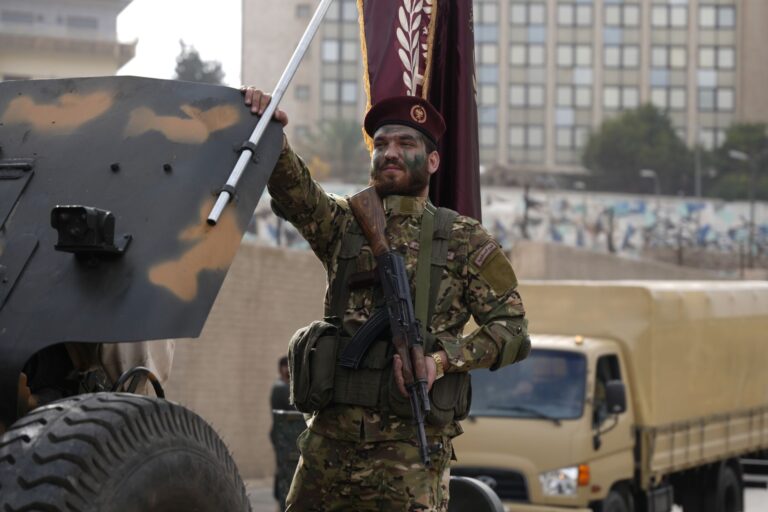
OCHA said the drone strikes have been recorded in multiple conflict-affected regions, with attacks landing in residential neighborhoods and near markets where civilians gather. It’s not a distant battlefield problem. People are dying in their homes and on the streets while trying to carry out basic daily life. The office didn’t specify which party to Sudan’s ongoing civil war was responsible for the strikes in its latest update, but the conflict between the Sudanese Armed Forces and the Rapid Support Forces has raged since April 2023 with civilians consistently caught in the middle.
At least 150,000 people have been killed since the war began, according to estimates, and more than 11 million have been displaced — the largest displacement crisis on earth right now.
Aid operations grinding to a halt
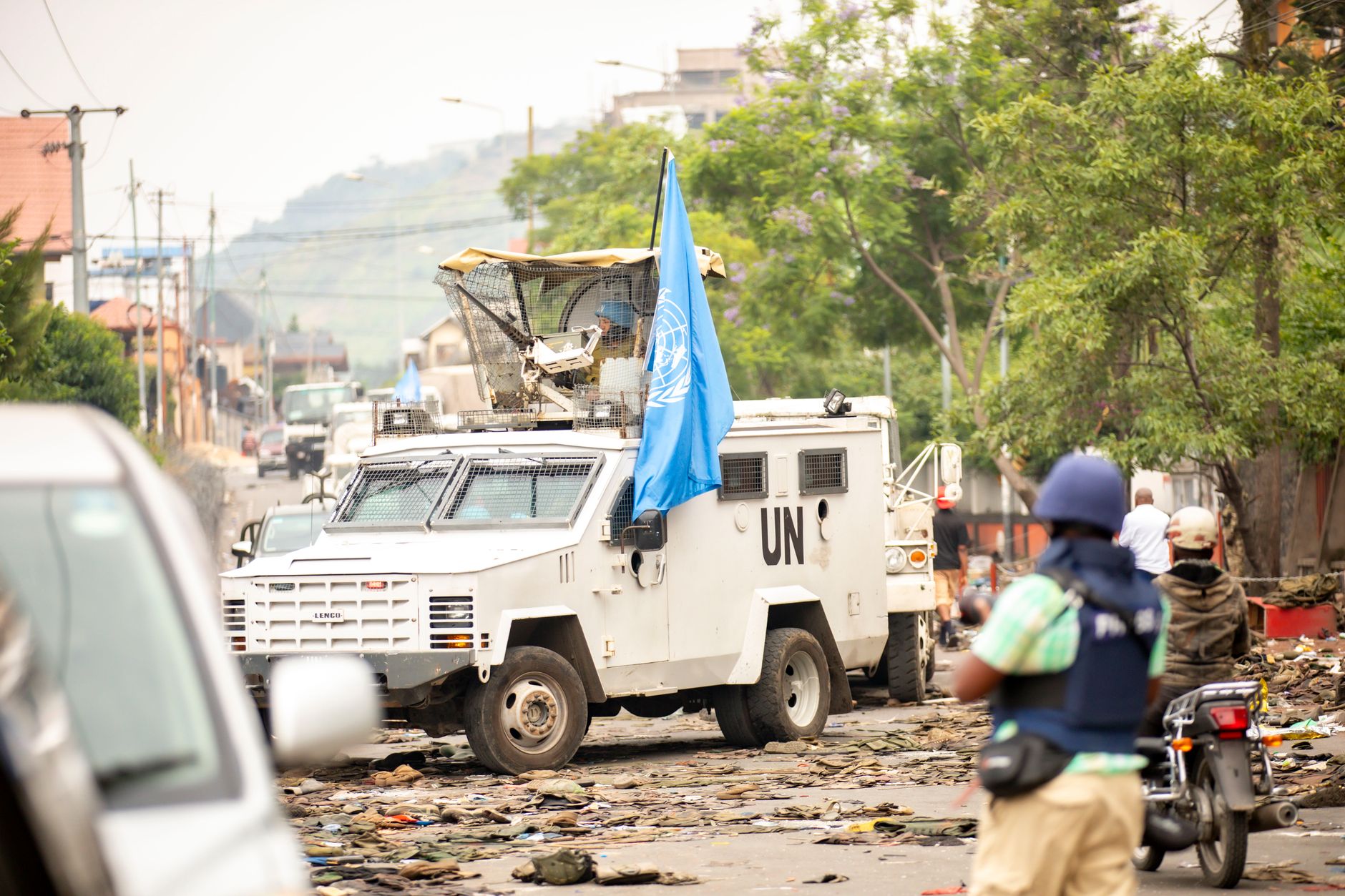
Humanitarian organizations operating inside Sudan say the drone threat isn’t just a danger to civilians — it’s paralyzing their operations. Convoys are being delayed. Distribution points are being abandoned. And aid workers are making near-impossible decisions about whether to move at all.
“Our teams on the ground are facing extreme risks just to do their jobs,” a UN humanitarian official said. “When strikes can happen anywhere, at any time, it fundamentally changes the calculus of every mission.”
Warehouses and transit routes in at least three states have been affected in recent weeks, according to OCHA’s reporting, forcing agencies to reroute supplies or suspend operations entirely in certain areas.
A population already on the edge
Sudan is experiencing what aid agencies describe as one of the worst hunger crises in the world. An estimated 25 million people — more than half the country’s population — are facing acute food insecurity. Famine has been confirmed in parts of Darfur and is suspected in other regions. So every delay in getting food and medicine through isn’t just an inconvenience. It’s potentially a death sentence for people who have no other lifeline.
Still, funding for the Sudan response remains critically short. The UN’s humanitarian appeal for the country is only about 16 percent funded for 2025.
What comes next
OCHA is calling on all parties to the conflict to respect international humanitarian law, including the protection of civilians and the safe passage of aid workers. But calls like that have gone largely unheeded throughout nearly two years of fighting.
International pressure to establish humanitarian corridors and secure ceasefires has failed to produce lasting results. With the rainy season approaching — which typically makes roads impassable and compounds access problems — the window for getting supplies to vulnerable communities is narrowing fast. Aid groups say that without urgent action, both on the ground and in diplomatic circles, the death toll from hunger and violence will continue to climb through the rest of 2025.