Finland’s border farmers keep quiet watch on Russia’s frontier
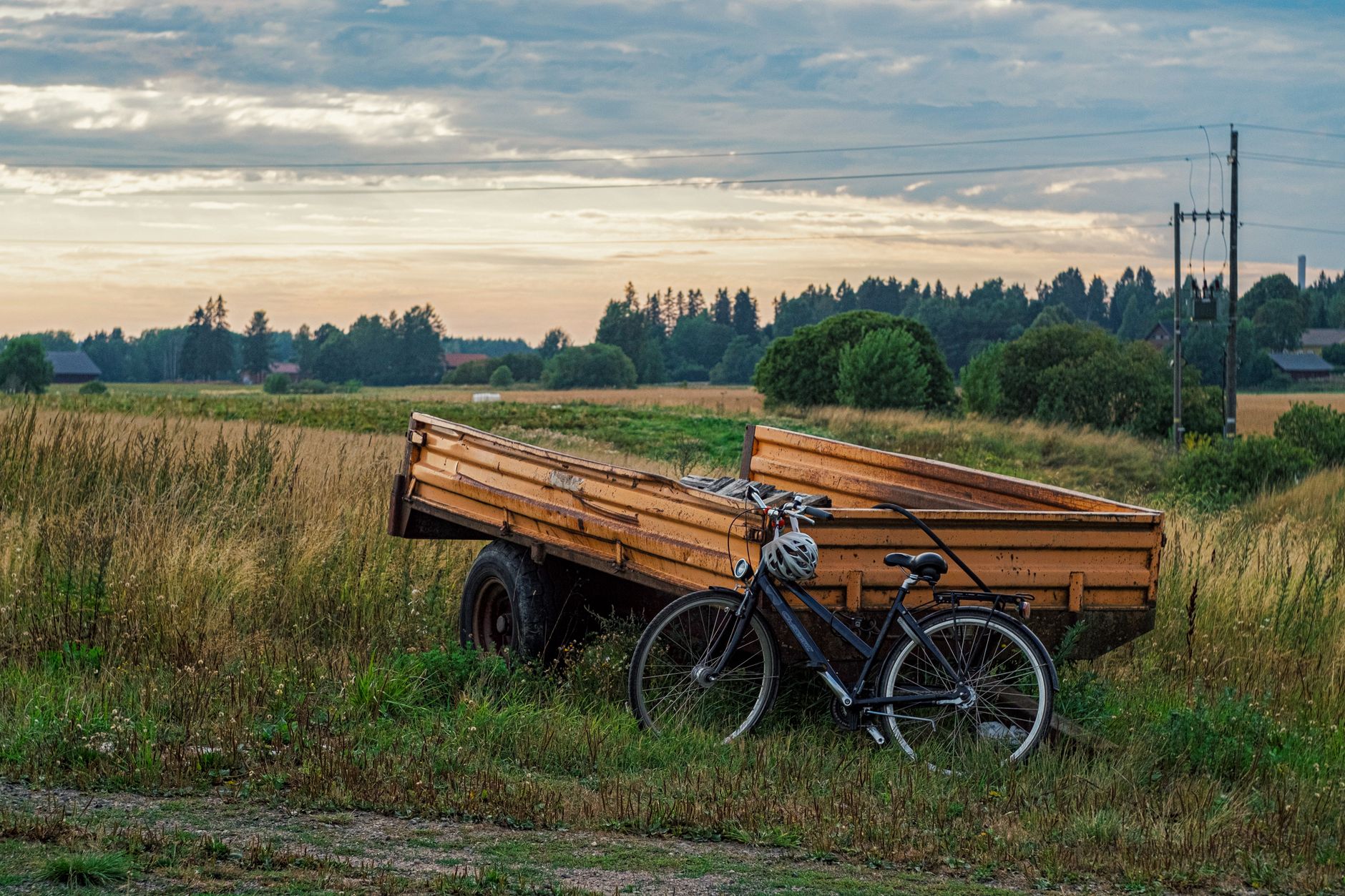
Along Finland’s 1,340-kilometre border with Russia, it’s not soldiers alone who are watching. A quiet but deliberate network of farmers, foresters, and rural landowners has become an unexpected layer of Finland’s eastern surveillance, their daily routines doubling as informal intelligence work in one of NATO’s most sensitive frontier zones.
Eyes in the fields
These aren’t operatives in any formal sense. But Finnish border farmers have long maintained a tradition of reporting unusual activity to local authorities — a habit that predates Finland’s NATO membership in April 2023 and stretches back to the Cold War. What’s changed is the urgency. Since Russia’s full-scale invasion of Ukraine in February 2022, that informal watchfulness has taken on a sharper edge. Farmers near towns like Imatra and Lappeenranta describe noticing subtle shifts: unfamiliar vehicle tracks in the snow, drone sounds at odd hours, sudden movements near the treeline.
Finland shares more border with Russia than any other EU member state. That geography has always shaped how people here think about security. It’s simply part of life, locals say.
A tradition of civilian alertness
The Finnish Defence Forces have long encouraged what they call a “total defence” model, where civilian populations are integrated into national security. Around 900,000 Finns have some form of military training, and local cooperation with border authorities is actively promoted. Farmers are given direct contact numbers for the Finnish Border Guard and are encouraged to document and report anything out of the ordinary.
“The people living closest to the border are our most reliable early warning system,” a Finnish Border Guard official said. “They know their land better than anyone. They notice when something is different.”
Still, it’s not a romanticised existence. Farmers in Karelia describe the psychological weight of living metres from a country that has repeatedly threatened European security. Some have installed private camera systems. A few have quietly reduced how often they work land closest to the border fence.
Drones, surveillance, and new pressures
Russian drone incursions near the Finnish border have been reported at least a dozen times since 2022, according to Finnish defence sources. Most incidents were brief and didn’t escalate. But they rattled communities that had grown accustomed to an uneasy peace. Local farmers aren’t just reporting to border guards anymore — some have been quietly consulted by municipal emergency planners helping to map civilian evacuation routes.
The Finnish government allocated €2.2 billion to defence spending in 2024, a significant jump from pre-war levels, and border infrastructure upgrades are ongoing.
What comes next
NATO membership has brought new military exercises and allied troops to Finnish soil, but the farmers on the eastern edge aren’t waiting for orders. They’ve built something slower and more durable than any treaty — a culture of watching. And in a conflict era defined by hybrid threats and grey-zone tactics, that might be exactly what matters most. The question now is whether NATO allies are paying enough attention to what these frontline communities already know.