Trump denies US weapons shortage amid hunt for leakers
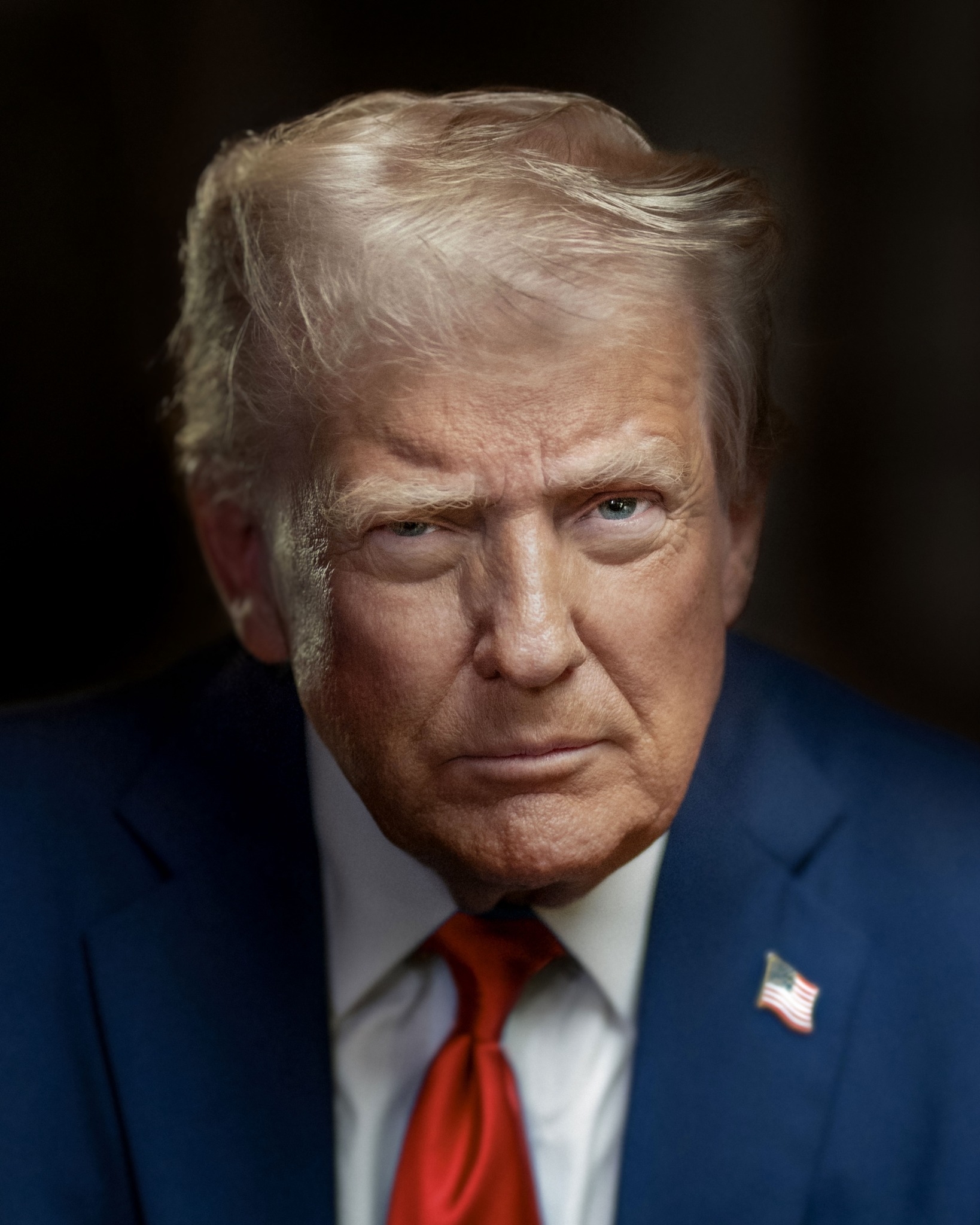
President Donald Trump pushed back hard this week against reports of a significant US weapons shortage, insisting the country’s military stockpiles are in fine shape and vowing that officials leaking sensitive defense information to the press are being actively “hunted down.”
The remarks came after a series of reports from defense analysts and former military officials raised concerns that years of supplying Ukraine and drawing down reserves had left certain American arsenals dangerously thin. Trump wasn’t having it.
“We have plenty of weapons, more than anyone knows,” Trump said at a White House briefing on Thursday. “And the leakers who are giving out this fake information — they’re being hunted down right now.”
What the public data actually shows
While exact inventory figures remain classified, the publicly available picture is complicated. The US has transferred more than 2 million artillery rounds to Ukraine since 2022. Production of 155mm shells, the workhorse of modern artillery, sat at around 14,000 per month at the war’s outset — a figure the Pentagon scrambled to push toward 100,000 per month, a target it still hasn’t fully hit. Javelin anti-tank missiles take roughly 32 months to manufacture from scratch. Stinger anti-aircraft systems, critical for air defense, have lead times stretching even longer.
So the gap between what’s been sent abroad and what’s been replaced isn’t a rumor. It’s math.
The administration’s position
Still, the White House is standing firm. A senior defense official, speaking on background, said the administration believes some of the alarming assessments being circulated are based on outdated figures or deliberate distortion by adversaries seeking to exploit perceived weakness. “We’re not going to telegraph our vulnerabilities to China or Russia,” the official said. “That’s not how you deter anyone.”
Trump’s threat against leakers carries real teeth. The Justice Department under his current term has already signaled a more aggressive posture toward classified disclosures, and at least two investigations into unauthorized intelligence leaks are reportedly underway.
Why this is more than political noise
The stakes here go beyond a Washington turf war. Taiwan, South Korea, and other treaty allies closely monitor American weapons capacity as a signal of credibility. If adversaries — or allies — believe the US couldn’t sustain a prolonged conventional conflict, deterrence weakens. That’s not a hypothetical concern. It shapes decisions being made in Beijing and Pyongyang right now.
Defense contractors like Raytheon and Lockheed Martin have received billions in accelerated contracts, but industrial base constraints — specialized workers, rare materials, factory floor space — can’t be conjured overnight.
What comes next
Congress is expected to take up a defense supplemental appropriations bill later this quarter that would include funding specifically targeting replenishment of depleted stockpiles. Whether that moves fast enough, and whether the administration’s transparency on the actual numbers improves, remains an open question. But right now, the gap between what officials are saying publicly and what analysts are warning privately is growing — and that gap itself is the story.