Western Europe temperature record hits 900 million people worldwide
A sweltering July shattered temperature records across vast stretches of the planet last month, with regions home to roughly 900 million people experiencing their hottest July ever measured, according to data released by the European Union’s climate monitoring service Copernicus. Western Europe was among the hardest hit, alongside the Sahel, Central America, France, and Spain — a geographic spread that stunned even veteran climate scientists.
What the numbers actually show
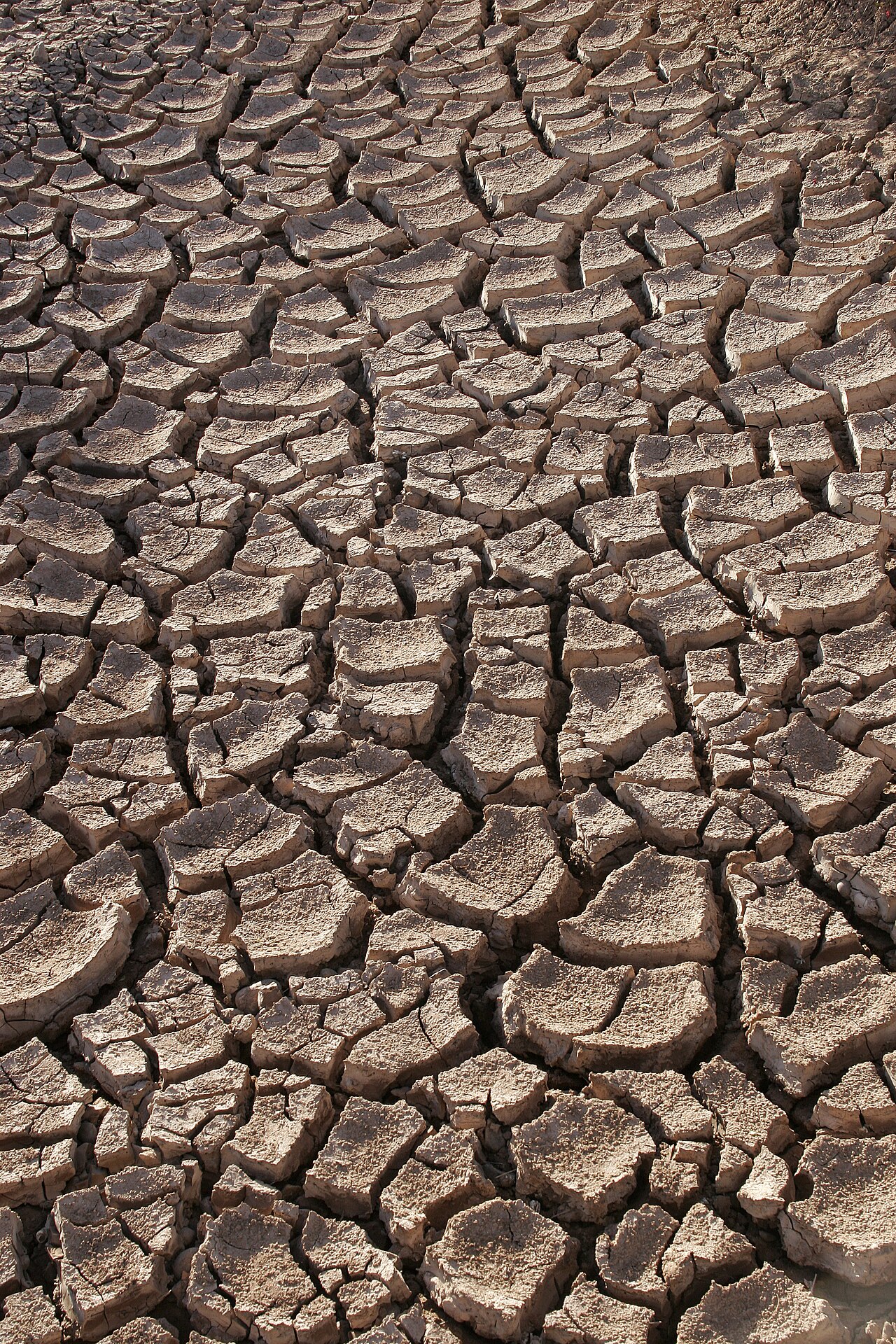
Copernicus confirmed that July’s global average surface temperature was the highest ever recorded for that month. But it wasn’t just the heat itself that alarmed researchers — it was what the heat left behind. Soil humidity readings across Western Europe fell to levels described as deeply abnormal, signaling drought conditions that could take months or longer to reverse. In parts of southern France and Spain, temperatures ran between 2°C and 4°C above the long-term average for the entire month, not just during individual heatwaves.
That’s a sustained anomaly. And that distinction matters enormously for agriculture, water supplies, and public health systems already under strain.
A record with a human cost
The 900 million figure puts a human face on what can otherwise feel like an abstraction. These aren’t remote or uninhabited regions. France alone saw excess mortality during peak heat episodes, while Spanish authorities issued red alerts across multiple provinces for days at a stretch. Central American nations, already dealing with food insecurity, watched crops wilt under relentless heat. Across the Sahel, communities with minimal infrastructure faced conditions that aid organizations described as a compounding crisis.
“The data we’re seeing isn’t just a record — it’s a pattern,” said a Copernicus climate analyst. “Each year we’re adding new entries to a list nobody wanted to be compiling.”
Why soil moisture matters as much as temperature
Most headlines focus on air temperature, and understandably so. But the soil humidity figures Copernicus flagged could prove just as consequential. Dry soils don’t just kill crops — they amplify future heatwaves by reducing the natural cooling effect that moist ground provides. It’s a feedback loop. Less moisture means hotter surface temperatures, which dry the soil further. Scientists have warned for years that this mechanism would accelerate warming in mid-latitude regions like southern and central Europe. July’s data suggests that process is already well underway.
Still, it’s not uniform. Northern parts of Europe saw near-normal conditions in some areas, which is why the regional breakdown matters more than any single global headline number.
What comes next
Autumn won’t necessarily bring relief. Soil moisture deficits built up over a hot, dry summer can persist into the following seasons, affecting groundwater recharge and river levels heading into winter. European governments are expected to face intensifying pressure to accelerate drought contingency planning and revise agricultural support frameworks that weren’t designed with these conditions in mind. The records set last month won’t stand forever — and that’s exactly the problem.