Europe’s bathing waters pass safety checks, EU report finds
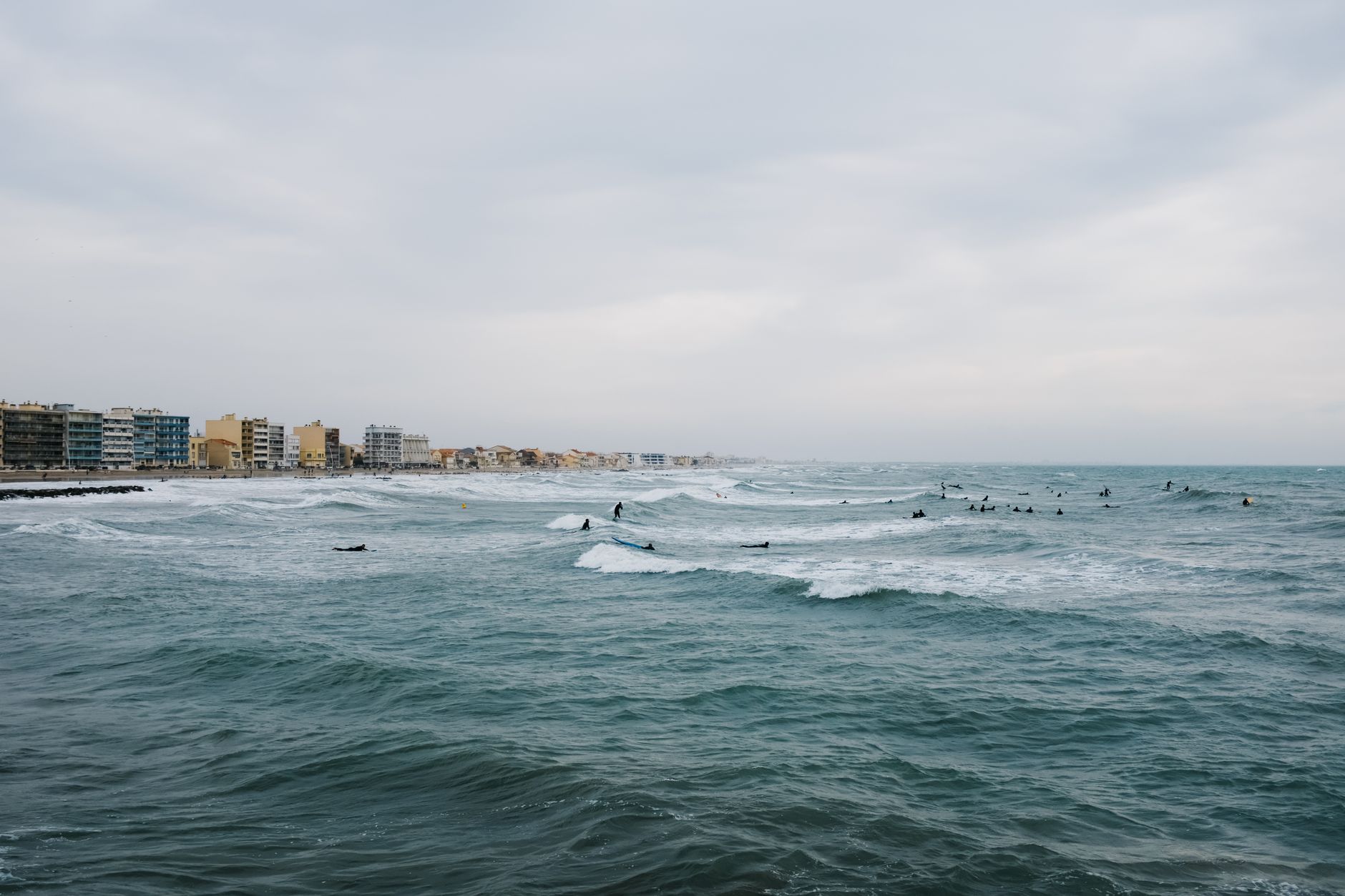
Europe’s bathing waters are largely safe for swimmers, according to the latest annual assessment published jointly by the European Commission and the European Environment Agency (EEA). The report, covering the 2024 bathing season, found that more than 85 percent of the EU’s monitored coastal and inland water sites met the highest quality standards — a result officials are calling a sign that decades of environmental regulation are paying off.
What the numbers actually show
The assessment reviewed nearly 22,000 bathing sites across EU member states, from busy Mediterranean beaches to quiet lakeside spots in the Baltic. Of those, roughly 85.5 percent were rated as having “excellent” water quality — the top category under the EU’s Bathing Water Directive. Another 6 percent fell into the “good” category. That leaves a smaller but still significant share — just under 9 percent — rated as “sufficient” or “poor,” meaning not every popular swimming spot is as clean as it looks.
Still, the overall trend is positive. Back in 1990, when the original directive came into force, far fewer sites would have cleared today’s thresholds.
Where problems remain
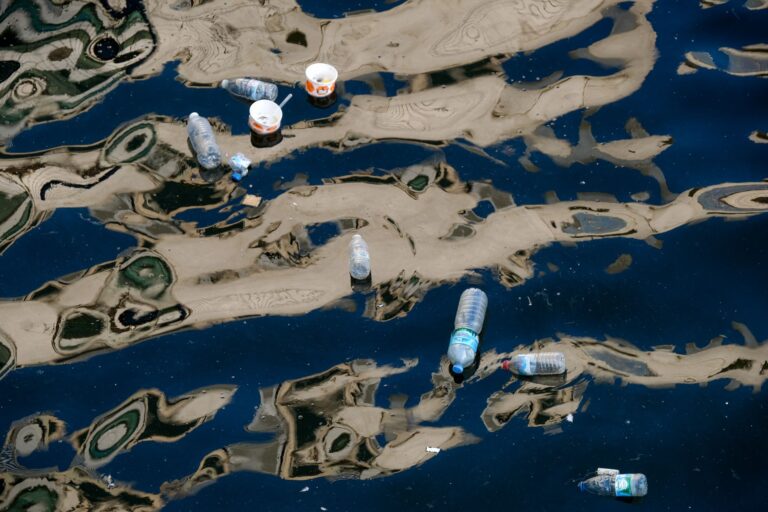
Not everything is rosy. Some inland waters — rivers and lakes in particular — continue to struggle with pollution from agricultural runoff and untreated sewage overflows. Countries including Belgium, the Netherlands, and parts of Italy still have higher-than-average rates of poor-quality sites. Urban beaches near river mouths are especially vulnerable after heavy rainfall, when stormwater systems overflow and push contaminants into the water.
Short-term pollution events are the hardest to manage. A beach can test clean on Monday and be closed by Thursday after a summer downpour.
“We’ve made real progress over the past three decades, but complacency isn’t an option,” a Commission spokesperson said. “Climate change is making extreme rainfall events more frequent, and that directly affects water quality.”
Climate pressure on clean water
That climate warning is becoming a recurring theme in these annual reports. Warmer water temperatures encourage the growth of harmful algal blooms, which can make swimmers sick and force beach closures even when bacterial contamination is low. The EEA flagged this as a growing concern for southern European coastal areas, where sea surface temperatures have risen noticeably over the past decade.
And it’s not just the south. In 2024, several sites in Germany and Austria reported cyanobacteria blooms in freshwater lakes — a problem once associated mainly with warmer climates.
What comes next
The revised Bathing Water Directive, which member states have been working to incorporate into national law, introduces stricter requirements for monitoring cyanobacteria and gives the public faster access to real-time water quality data through digital platforms. The Commission expects full implementation across member states by 2025.
For most Europeans heading to the beach this summer, the message is reassuring. But regulators are watching the horizon carefully, aware that cleaner water policies will need to work harder as the climate continues to shift.