Refugee resettlement places fall millions short of global need
Refugee resettlement remains a distant hope for the vast majority of the world’s displaced people, with the UN warning this week that the gap between available places and actual need has never been wider. UNHCR made the call on Tuesday, urging governments to dramatically expand their commitments as the global refugee population continues to climb past 35 million.
A crisis of numbers
Last year, UNHCR identified approximately 2.4 million refugees in urgent need of resettlement — people facing acute protection risks, serious medical conditions, or situations where remaining in their host country is simply not viable. But the total number of places made available by resettlement countries came in at around 114,000. That’s less than five percent of those who needed it.
The math is brutal. For every place offered, roughly 21 people were left behind.
Who’s being left out
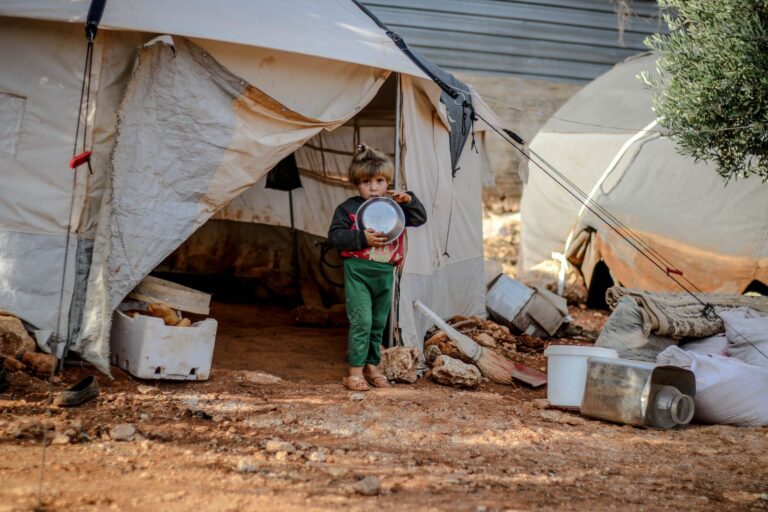
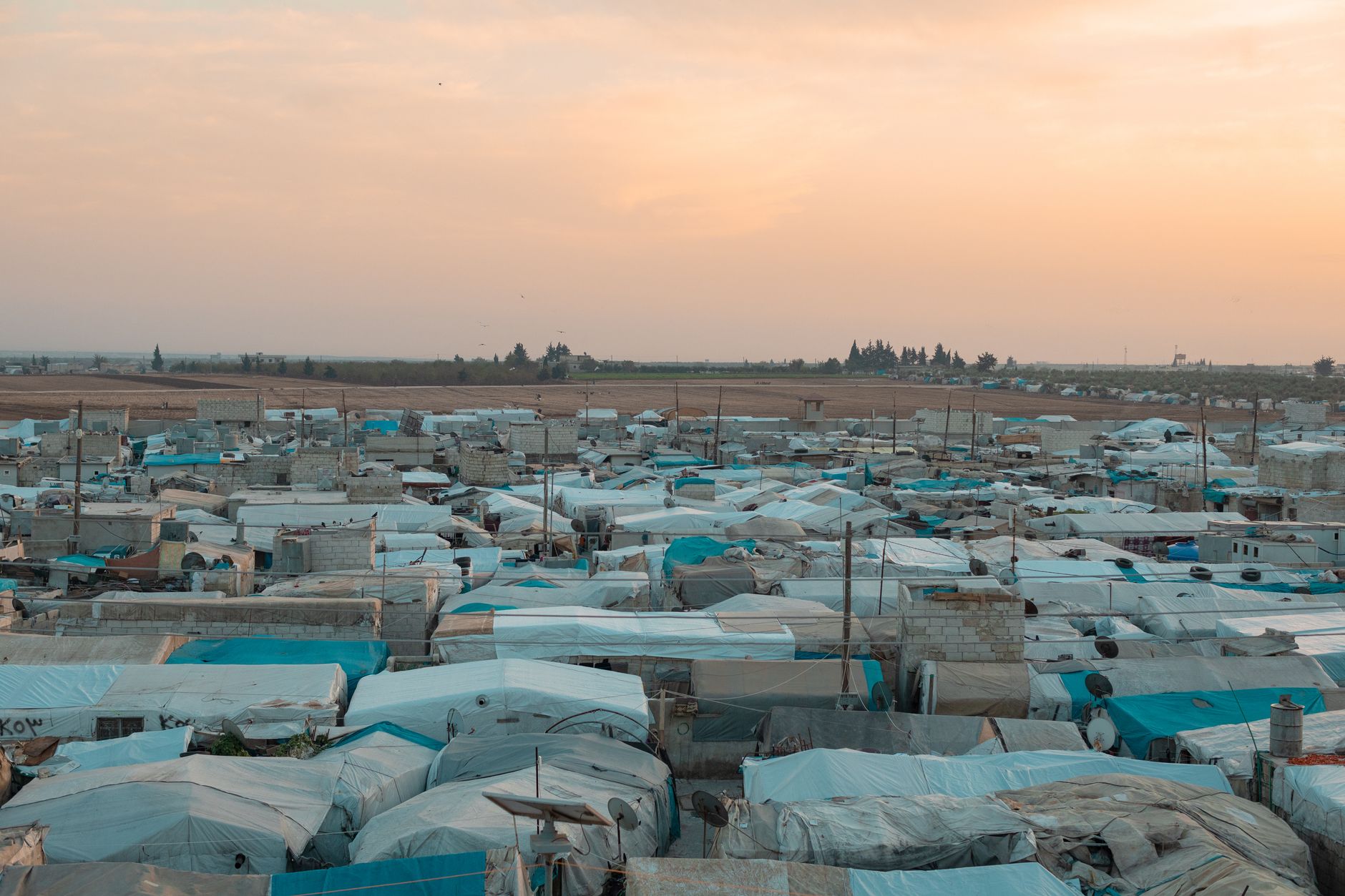
The backlog isn’t abstract. It’s families from South Sudan waiting in overcrowded camps in Uganda. It’s Afghans who worked alongside Western forces and now can’t go home. It’s Rohingya refugees in Bangladesh who’ve been waiting years with little prospect of either integration or return. Many have been in temporary situations for so long that “temporary” has become a permanent condition.
So-called third country resettlement — where a refugee moves from their host country to a third nation like Canada, Germany, or Australia — is one of the few durable solutions available when local integration isn’t possible and going home isn’t safe. Yet the number of countries actively participating in resettlement programmes has barely grown, and several that previously offered places have scaled back significantly.
Political headwinds
It’s no secret that resettlement has become politically toxic in many Western democracies. Anti-immigration sentiment has pushed several governments to tighten rather than expand their programmes. The United States, historically the world’s largest resettlement country, admitted just over 60,000 refugees in the 2023 fiscal year — still well below the 125,000 ceiling set by the Biden administration and nowhere near the 231,700 admitted in 1980.
“We’re asking countries to show leadership at a moment when the politics make that genuinely difficult,” said a UNHCR spokesperson. “But the alternative is that millions of people remain in legal limbo indefinitely, and that has its own profound consequences.”
What needs to change
UNHCR is pushing for new approaches beyond traditional government-led resettlement. Community sponsorship programmes, where private citizens or organisations co-sponsor refugee families, have shown real promise in Canada and the UK. They’re cheaper to run and tend to produce better long-term integration outcomes. But they’re still niche.
The agency also wants to see more countries count resettlement contributions toward broader development aid commitments, making the political case easier to argue domestically.
Without a serious shift, advocates warn, the gap will only widen. More people are being displaced each year than are finding any durable solution. And for millions of refugees, the wait continues with no end in sight.