Israeli settlers torch mosque in West Bank village of Jiljilya
Israeli settlers burned down a mosque in the West Bank village of Jiljilya overnight on 17 June, leaving behind charred ruins, burnt tyres, and Hebrew graffiti sprayed across the walls reading “revenge” — the latest in a series of violent attacks targeting Palestinian communities in the occupied territory.
What happened in Jiljilya
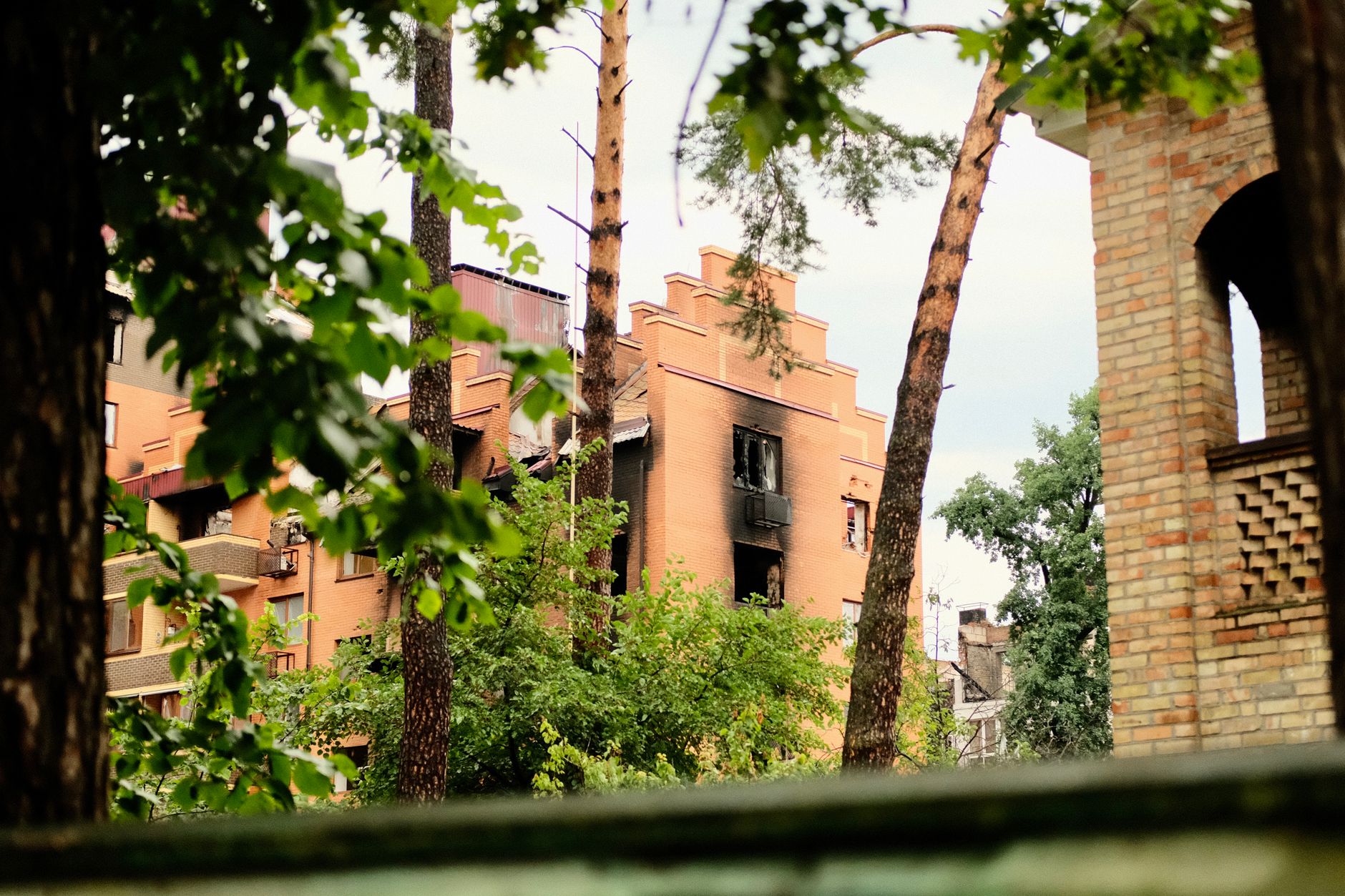
Residents of Jiljilya, a small village north of Ramallah, woke before dawn to find their mosque engulfed in flames. By the time the fire was extinguished, the building had sustained extensive structural damage. Prayer rugs, Qurans, and wooden fixtures were reduced to ash. The graffiti, written in Hebrew, was splashed across at least two exterior walls. Burnt tyres were piled near the entrance, suggesting the fire was deliberately set to spread quickly.
The attack took place in an area designated as Zone A under the Oslo Accords — territory where Israeli civilians are legally prohibited from entering. That didn’t stop whoever carried out the assault.
A pattern of settler violence
This wasn’t an isolated incident. The United Nations Office for the Coordination of Humanitarian Affairs recorded more than 1,200 settler attacks against Palestinians in the West Bank in 2023 alone. Mosques, olive groves, vehicles, and homes have all been targeted. But accountability remains rare. Israeli human rights organization Yesh Din has documented that roughly 93 percent of complaints filed by Palestinians over settler violence are closed without prosecution.
So when graffiti reading “revenge” appears on a burned-out mosque, the message carries weight beyond the words themselves. It signals a culture of impunity that critics say the Israeli government has done little to dismantle.
Official response
A spokesperson for the Palestinian Authority’s Ministry of Religious Affairs condemned the attack in a statement Tuesday, calling it “a deliberate act of terrorism against Muslim holy sites” and demanding international intervention to hold perpetrators accountable. Israeli police said they were aware of the incident and had opened an investigation, though no arrests had been announced as of publication.
The Israeli government did not immediately issue a statement.
Community left to pick up the pieces
For Jiljilya’s roughly 2,000 residents, the mosque wasn’t just a place of worship. It was the social and spiritual center of village life — used for Friday prayers, community gatherings, and religious education for children. Locals described a sense of shock and grief as they surveyed the damage in the hours after dawn.
Still, residents said they intended to repair the building.
Whether the perpetrators will face consequences is another question entirely. With Israeli-Palestinian tensions running high across the West Bank and settler violence showing no signs of slowing, advocates say the attack on Jiljilya’s mosque is unlikely to be the last. Human rights groups are calling on both Israeli authorities and the international community to take concrete, measurable steps — not just statements — before the next village wakes up to smoke.