Sudan war is ‘losing another generation,’ UN’s Mohammed warns
More than 1,000 days into a devastating civil war, Sudan’s children are paying a catastrophic price — and the world isn’t paying enough attention. That was the stark message from UN Deputy Secretary-General Amina Mohammed on Friday, as she called on the international community to take urgent action to end the conflict.
A generation left behind
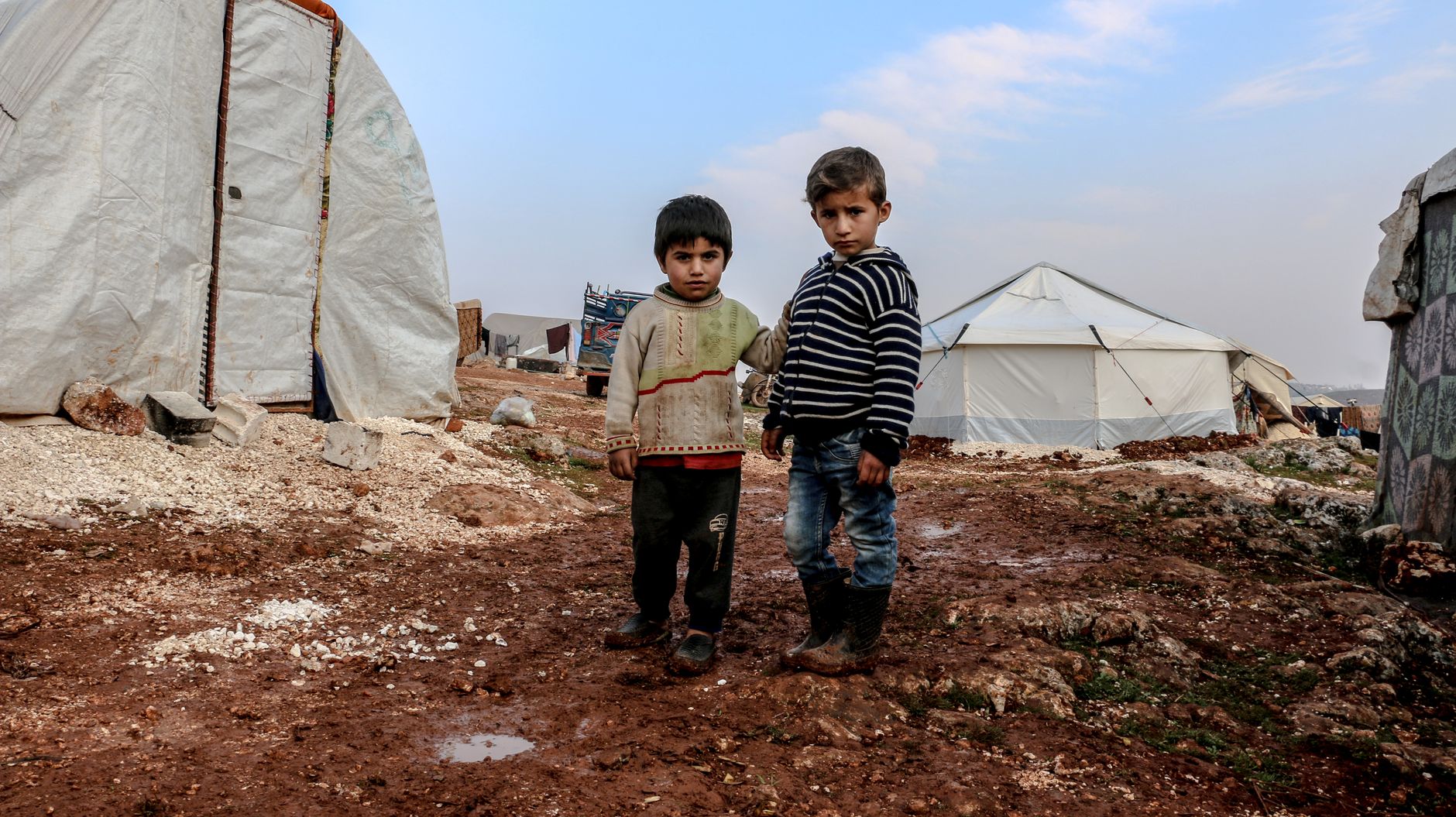
Mohammed didn’t mince words. Millions of Sudanese children have been pushed out of classrooms, forced from their homes, or subjected to what the UN describes as grave violations — a term that covers killings, sexual violence, forced recruitment into armed groups, and attacks on schools and hospitals. “Sudan is losing another generation,” she warned, framing the crisis not just as a humanitarian emergency but as a long-term civilizational wound.
The numbers are staggering. Sudan now has the largest internal displacement crisis on the planet, with more than 11 million people uprooted since fighting erupted in April 2023 between the Sudanese Armed Forces and the Rapid Support Forces paramilitary group. Children make up a disproportionate share of that figure.
Schools shuttered, futures erased
Across large swaths of the country, schools have been destroyed, occupied by armed groups, or simply abandoned. UNICEF estimates that roughly 17 million children in Sudan are in need of humanitarian assistance. Countless others have missed nearly three full academic years. That’s not just lost time — it’s lost futures.
And yet the funding to address it remains deeply inadequate. The 2024 humanitarian response plan for Sudan was less than 37 percent funded, leaving aid organizations scrambling to cover even basic needs like food, clean water, and medical care.
‘The world must not look away’
Mohammed made her remarks during a high-level UN briefing, urging member states and regional actors to redouble diplomatic efforts. A senior UN official familiar with the situation said the organization is pushing for an immediate cessation of hostilities and unimpeded humanitarian access to areas that have been effectively cut off for months.
The conflict has been especially brutal in Darfur, where some communities have experienced what rights groups are calling ethnically targeted attacks. El Fasher, the last major city in Darfur not under RSF control, has been under siege and faces a potential catastrophe.
The world must not look away, Mohammed said. But so far, that’s largely what it’s done.
What comes next
International envoys from the African Union, the United States, and several Gulf states have attempted to broker ceasefires — none have held. A new push is reportedly being organized for early 2025, though diplomats privately acknowledge that both warring parties have shown little appetite for genuine negotiation.
For Sudan’s children, diplomacy’s slow grind is not an abstraction. It’s another school year gone. Another year of trauma without support. Another year the international community is borrowing against a future that may not recover.