West Bank settlement sanctions: 12 nations target Israeli goods
Twelve Western nations have announced coordinated trade sanctions targeting goods produced in Israeli settlements in the West Bank, marking one of the most significant diplomatic moves against Israel’s occupation in years. The coalition — made up of 11 European countries and Canada — is acting in response to what British Foreign Secretary Ed Miliband called a campaign of “ethnic cleansing” carried out by “settler terrorists.”
What the sanctions actually cover
The UK’s measures center on an import ban covering all products originating from Israeli settlements in the West Bank, which the British government and international law regard as illegal under the Geneva Conventions. The other 10 European nations are implementing similar restrictions, though the precise scope varies by country. Some are targeting agricultural exports like wine and olive oil. Others are going further, including manufactured goods and textiles.
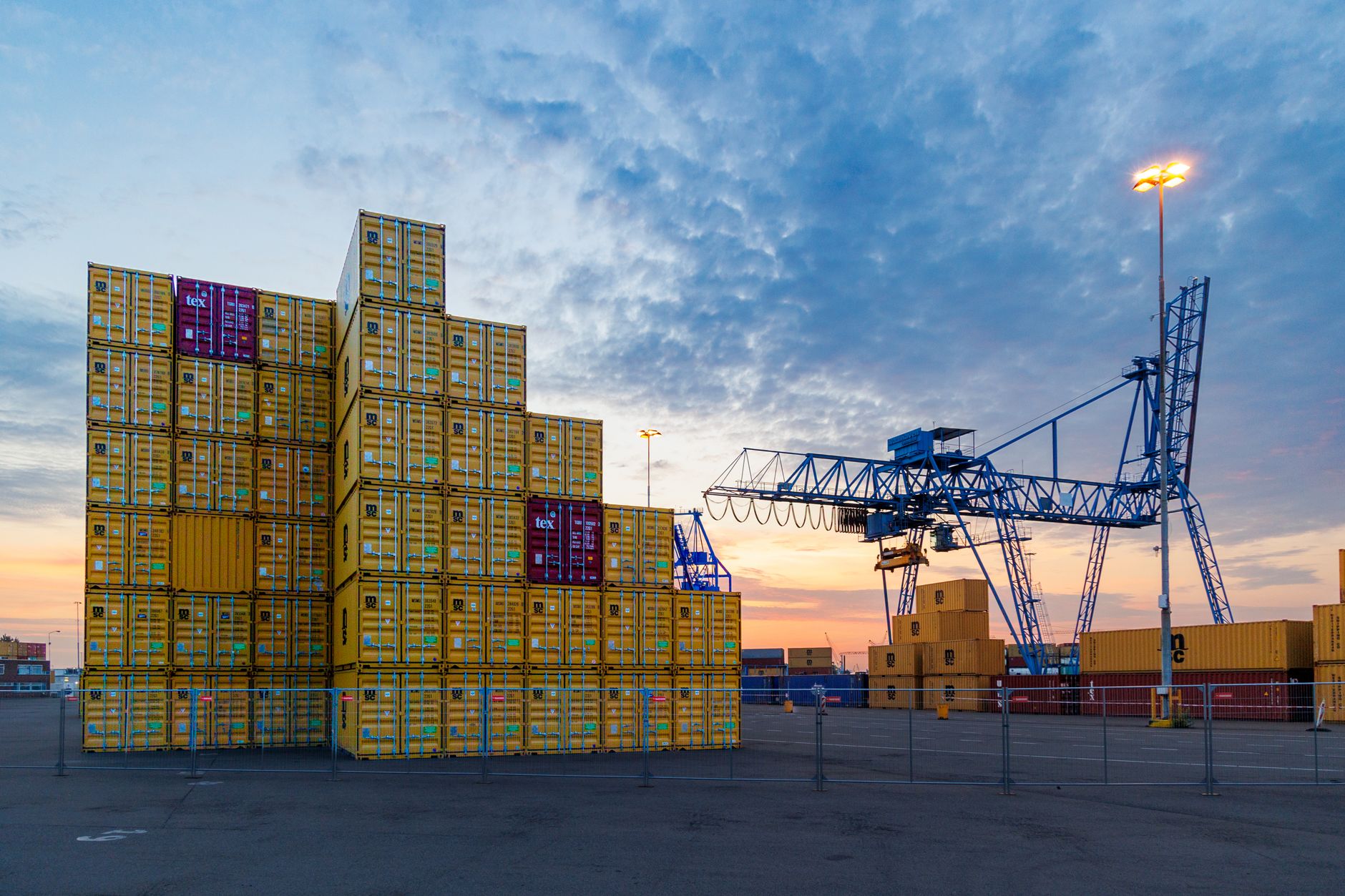
There are roughly 700,000 Israeli settlers living in the West Bank across more than 150 settlements. The settlements generate an estimated $1.2 billion in exports annually, a significant portion of which flows to Europe and North America.
Israel shuts British consulate in Jerusalem
Israel’s response was swift and blunt. Within 48 hours of Miliband’s announcement, Israeli authorities moved to close the British consulate in Jerusalem — a direct diplomatic rebuke that signals just how seriously Tel Aviv views the move. It’s the most dramatic bilateral rupture between Israel and the UK in recent memory.
Israeli officials rejected the sanctions as politically motivated, arguing they do nothing to advance peace and instead reward Palestinian leadership. But critics of the settlements say that’s precisely the point — that economic pressure is one of the few remaining levers available to Western governments unwilling to impose broader measures.
Miliband’s language raises eyebrows
Miliband didn’t mince words. Accusing settlers of “ethnic cleansing” is unusually direct language for a sitting foreign secretary, and it drew immediate reaction from across the political spectrum. Some allies quietly expressed discomfort with the phrasing. Others said it was overdue.
A spokesperson for one of the participating European governments said the coalition had been “carefully coordinating for several months” and that the timing reflected shared concern about “accelerating violence and displacement” in the West Bank over the past year.
That violence has been well-documented. UN figures show that settler attacks on Palestinian communities rose by more than 40% in 2024 compared to the previous year, with hundreds of Palestinians displaced from smaller villages in the northern West Bank alone.
What comes next
The sanctions are almost certainly not the end of it. Several governments within the coalition have signaled they’re willing to escalate further if the situation in the West Bank continues to deteriorate. France and Germany, notably, weren’t among the 12 — but both face growing domestic pressure to join.
Whether the measures change anything on the ground remains the real question. Economic sanctions have a mixed track record. Still, for now, the coalition of 12 has drawn a line that would’ve been hard to imagine even two years ago.