Colombia earthquake rescue efforts enter final phase as toll hits 265
Colombia’s deadliest earthquake in decades has pushed rescue teams to their absolute limit, with officials confirming Wednesday that recovery operations have entered what they’re calling the “final phase” — a grim shift in focus from finding survivors to recovering bodies. The magnitude 7.4 quake, the strongest to hit the country this century, has killed at least 265 people, injured more than 3,500 others, and left nearly 500 still unaccounted for beneath rubble that, in some areas, stands several stories high.
A race measured in hours, not days
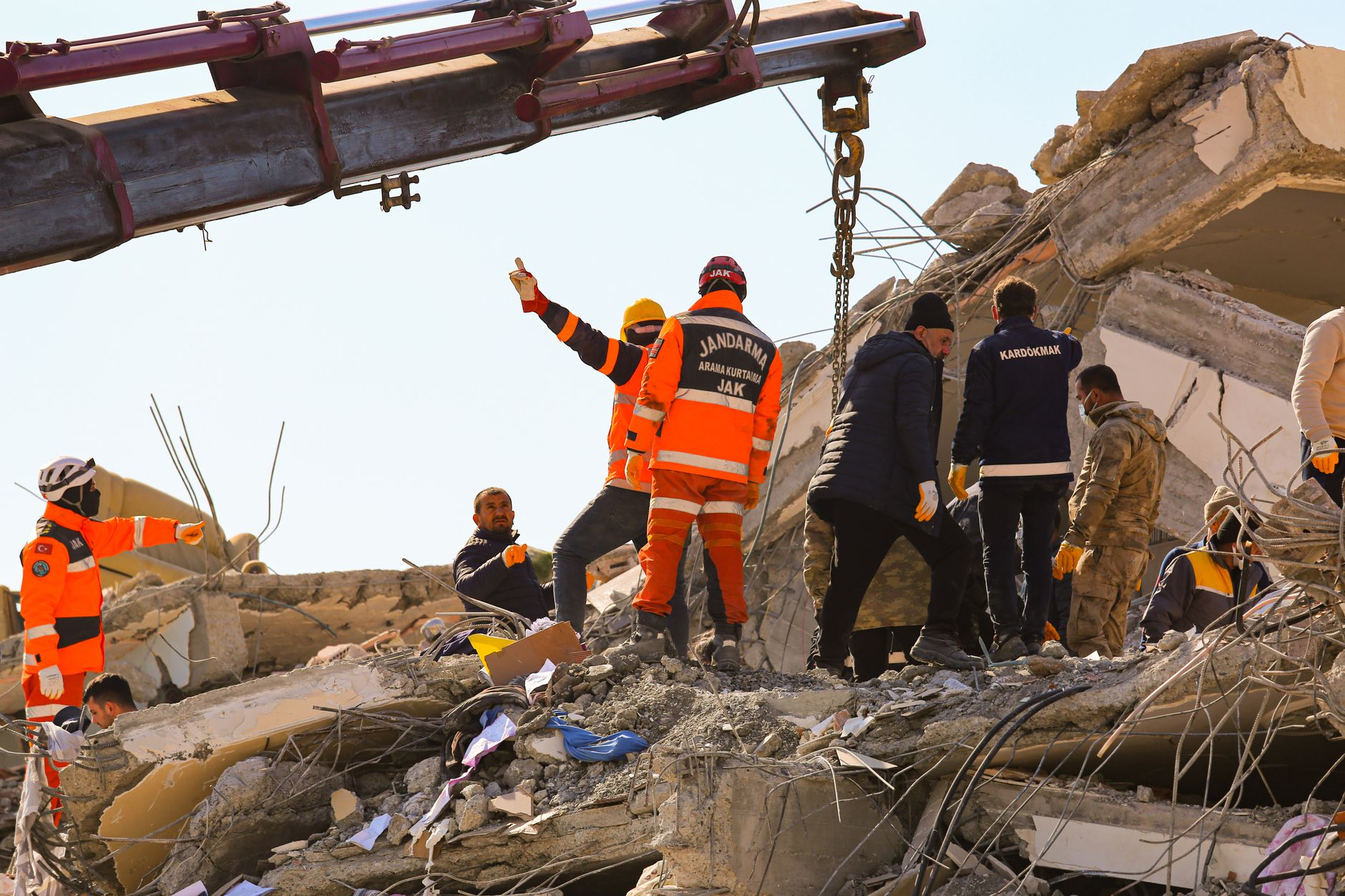
By Wednesday morning, rescue workers had been on the ground for over 72 hours. That window matters. Survival rates after earthquakes drop sharply after the first three days, and emergency crews knew it. Teams from at least nine countries joined Colombian civil defense units, working overnight in shifts to comb through collapsed apartment blocks, schools, and market buildings in the worst-affected departments of Nariño and Cauca.
Specialized search dogs and acoustic listening equipment were brought in to detect any signs of life beneath the debris. Still, officials admitted the odds were becoming increasingly difficult to ignore.
Entire neighborhoods leveled
The quake struck at 11:17 a.m. local time Tuesday, with its epicenter located roughly 25 kilometers southeast of the city of Pasto. The timing — midday, when streets and buildings were full — almost certainly made the death toll worse. In the town of Mocoa, entire blocks simply collapsed inward. Markets were flattened. A two-story school building pancaked down onto itself, trapping students and teachers inside.
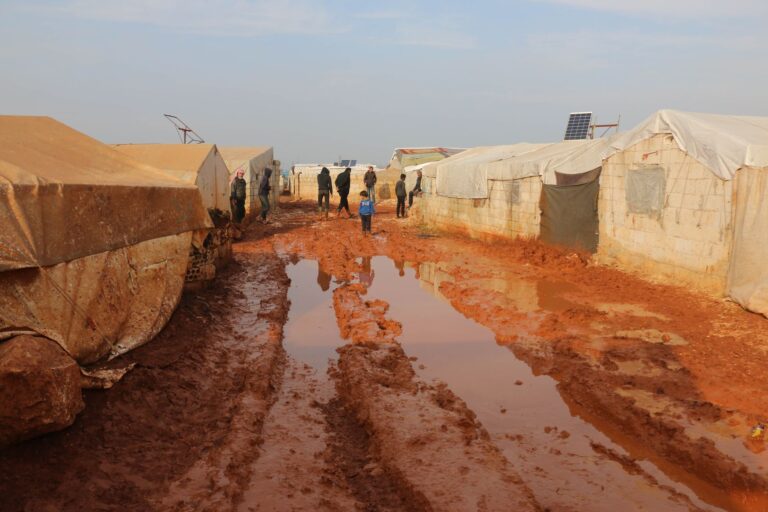
More than 1,200 buildings have been deemed structurally unsafe or completely destroyed, according to government assessments released Wednesday. Tens of thousands of residents remain displaced, sheltering in gymnasiums, churches, and makeshift camps set up along roadsides.
‘We won’t stop until everyone is found’
Colombia’s disaster management director addressed reporters Wednesday afternoon, visibly exhausted. “We won’t stop until every family has answers,” he said. “But we are being honest with the Colombian people — the phase we are entering now is different.”
That honesty landed hard in communities where families have been standing outside rubble piles for two days, holding photographs.
President Gustavo Petro declared a national emergency Tuesday and mobilized the military to assist with logistics, including getting heavy lifting equipment into mountain areas where roads were damaged or blocked by landslides triggered by the quake itself.
What comes next
Colombia’s government has pledged emergency housing support and fast-tracked reconstruction funding, though experts warn that rebuilding in seismically active Andean regions takes years, not months. International aid has been flowing in — the United States, Spain, and several Latin American nations have offered financial assistance and technical support.
For now, though, the focus stays on the rubble. Search teams said they planned to continue active rescue operations through at least Thursday before formally transitioning to full recovery mode. Every hour still counts. And for nearly 500 families, it counts more than anything.