Colombia quake: Cali residents find hope amid the rubble
Three days after a 6.1-magnitude earthquake tore through southwestern Colombia, the city of Cali is still counting its dead, its missing and its broken buildings — but also something else entirely. Among the dust and the grief, survivors and strangers alike have flooded the streets, and what’s emerged in this city of 2.2 million is what one local rescue coordinator called an “overwhelming sense of humanity.”
A city in shock, but not alone
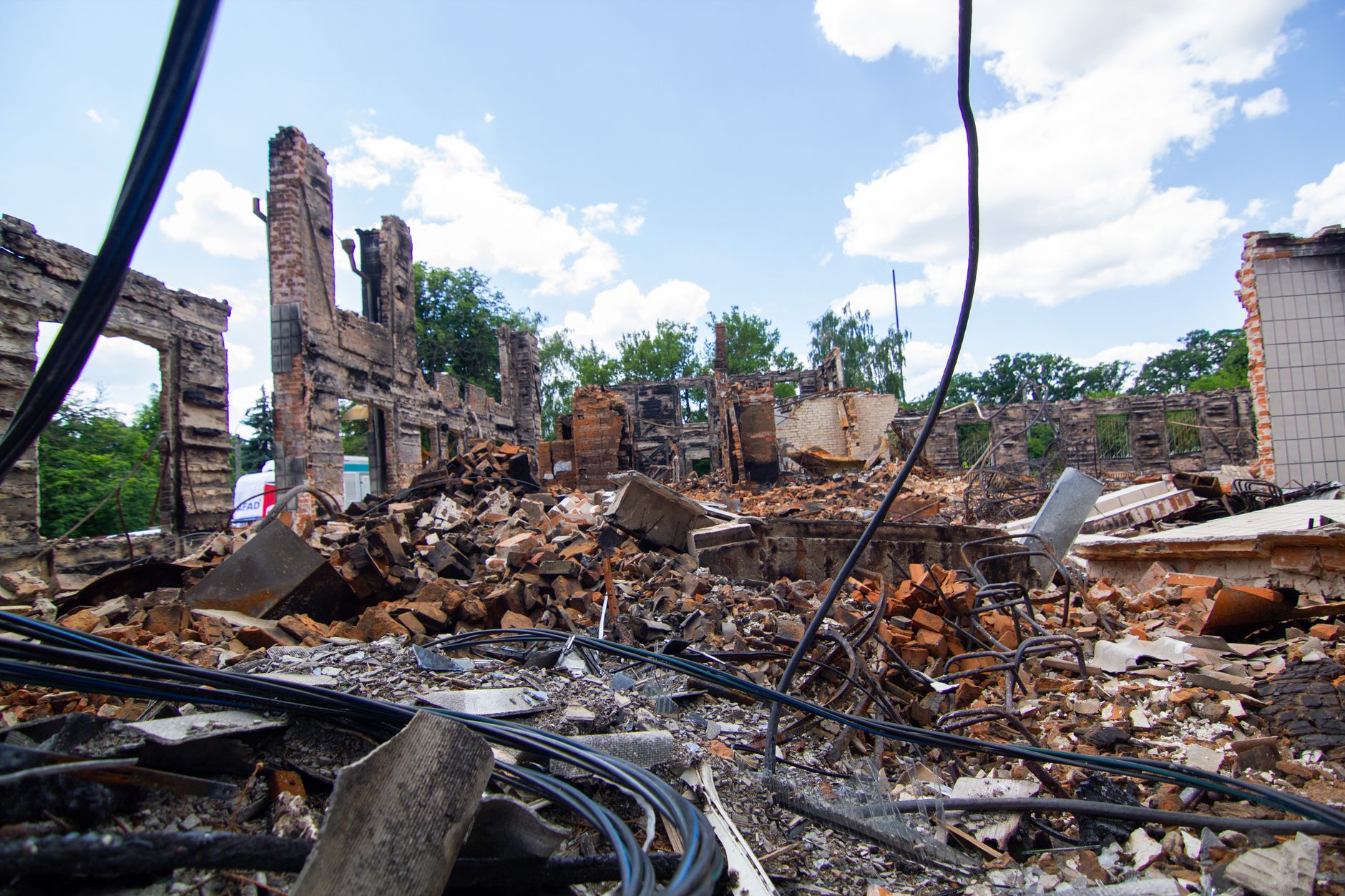
The quake struck at 4:47 a.m. on a Tuesday, catching most residents asleep. Whole apartment blocks in the districts of Aguablanca and Siloé crumbled within seconds. Official figures now confirm at least 89 dead, with 214 still reported missing and more than 1,300 displaced. Rescue teams have pulled 37 people from the rubble alive — each one greeted by crowds who hadn’t slept in days.
Families have taped handwritten notes to collapsed walls. Photographs of the missing cover the fences outside makeshift relief centers. It’s a heartbreaking ritual that anyone who has covered a disaster recognizes immediately.
Volunteers arriving by the hundreds
But here’s what’s different about Cali. Within 24 hours of the quake, more than 600 volunteers had registered with the city’s emergency management office — chefs, doctors, university students, retired construction workers. They didn’t wait to be asked.
At a relief kitchen on Calle 5, a group of women from the Ladera neighborhood has been cooking continuously since Wednesday morning, serving an estimated 800 meals a day. “We don’t have much,” said one of the organizers, 54-year-old Rosa Elena Mina, stirring a pot of sancocho over a gas burner. “But we have this.”
Colombia’s National Disaster Risk Management Unit, known as UNGRD, deployed 340 trained rescue personnel to Cali within six hours of the event. Still, officials have been frank about the scale of the challenge.
“The structural damage in certain neighborhoods is severe, and we are prioritizing areas where we believe survivors may still be trapped,” said an UNGRD spokesperson at a press briefing Friday afternoon.
The long wait for news
For hundreds of families, the hardest part isn’t the rubble. It’s the waiting.
Outside the Clínica Imbanaco, one of the city’s main hospitals treating quake victims, a young man named Sebastián had been sitting on the kerb for 11 hours, phone in hand, waiting for word about his grandmother. He hadn’t eaten. He didn’t want to leave. “Someone has to be here when they tell us something,” he said quietly.
What comes next
Colombia’s government has declared a national emergency, unlocking an initial 80 billion pesos — roughly $19 million USD — for immediate relief and structural assessments. President Gustavo Petro is expected to visit Cali over the weekend.
And yet, beyond the politics and the logistics, it’s the ordinary people of this city who are setting the tone. So far, that tone is one of stubborn, exhausted, quietly remarkable solidarity. Whether it lasts through the harder work of rebuilding remains to be seen.