
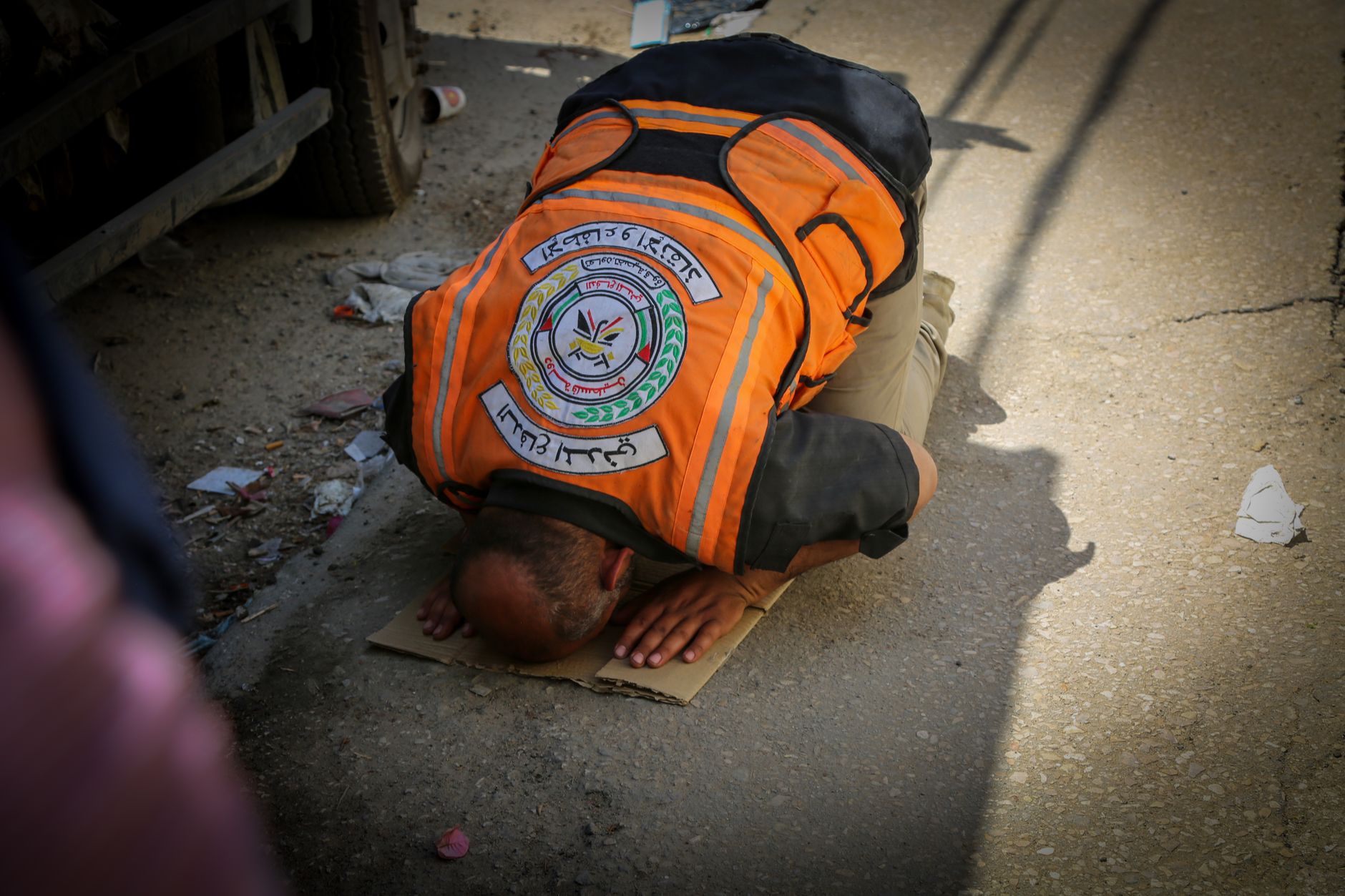
Qusra siege eases as UN reaches trapped families in West Bank
Humanitarian workers finally reached Palestinian families who had been trapped inside Qusra village for days after Israeli settlers blocked access roads, the United Nations announced Monday. But relief at the breakthrough was short-lived, with officials warning that what happened in the northern West Bank village must not become routine.
Days of isolation
Residents of Qusra, a village of roughly 5,000 people southeast of Nablus, had been unable to leave or receive supplies after settlers occupied surrounding hilltops and blocked the main entry roads. The UN Office for the Coordination of Humanitarian Affairs said its teams, along with Red Crescent workers, managed to deliver food, medicine and basic supplies on Monday after a nearly 72-hour standoff. At least 12 families with young children and elderly members were among those who had been cut off.
“This cannot become the new normal,” a UN humanitarian official said. “Civilians need guaranteed, unimpeded access — full stop.”
Broader context in the West Bank
The incident in Qusra isn’t isolated. Settler violence and road blockades have surged across the northern West Bank since October 2023, with the UN documenting more than 1,200 settler-related incidents in the past year alone. Several villages near Nablus have reported repeated access disruptions, and Palestinian officials say the situation on the ground has deteriorated faster than international bodies can respond.
It’s a pattern that human rights groups have tracked for months — settlers move to high ground, roads get blocked, and communities go without medical care or fresh food until someone intervenes. Sometimes that takes hours. In Qusra’s case, it took days.
Gaza crisis deepens as attention shifts
The Qusra standoff unfolded against a worsening backdrop in Gaza, where aid organizations say the humanitarian situation has reached a breaking point. The World Food Programme warned Monday that it has less than two weeks of food supplies left inside the territory for distribution. More than 2.1 million people in Gaza are experiencing acute food insecurity, according to the latest IPC figures, with northern Gaza classified at full famine threshold.
Ceasefire negotiations remain stalled.
And while the international community has repeatedly called for more aid corridors into Gaza, aid workers say the problem isn’t just access — it’s that the infrastructure to distribute supplies has been largely destroyed. Roads, warehouses and communication networks that humanitarian operations depend on are gone in whole sections of the territory.
What comes next
In Qusra, the immediate crisis has eased, but residents say they won’t feel safe until there’s a permanent security presence on the access roads. Palestinian Authority officials have called for an emergency session with international monitors to discuss protections for villages in the Nablus governorate.
For now, aid workers are back on the ground. But with settler activity showing no sign of slowing and Gaza’s needs growing more desperate by the day, the pressure on humanitarian systems across the occupied Palestinian territories is only building.