Russian strike on Kyiv book market called attack on Ukrainian identity
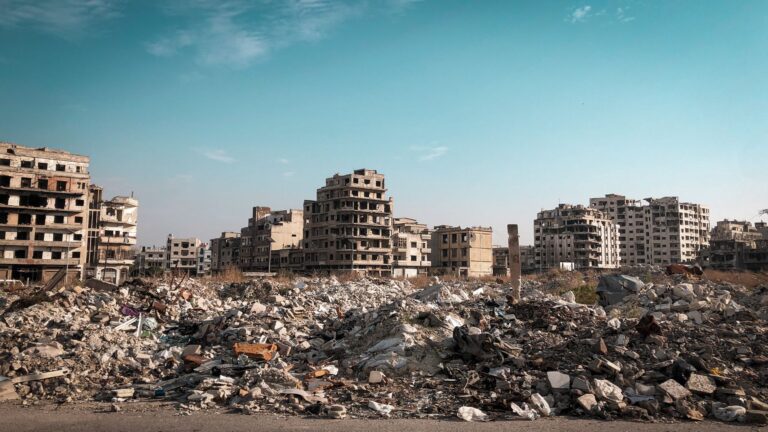
A Russian strike tore through one of Kyiv’s most beloved central book markets on Sunday, destroying thousands of volumes and sending a chill through a country that has watched its cultural landmarks fall one by one since the full-scale invasion began in February 2022.
A market at the heart of Ukrainian cultural life
The Petrivka book market, a sprawling open-air bazaar where Kyiv residents have browsed shelves of Ukrainian literature, history and poetry for decades, was hit during a wave of Russian aerial attacks. Stalls were reduced to ash and twisted metal. Books that had survived Soviet censorship, that had been passed between generations, didn’t survive Sunday morning.
FRANCE 24 correspondent Emmanuelle Chaze, reporting from Ukraine, was unequivocal about what the strike represented. It wasn’t just infrastructure. It was, she said, an attack on “Ukrainian culture, the Ukrainian language and Ukrainian identity.”
Millions of books lost since summer began
The scale of cultural destruction is staggering. Since the beginning of the summer alone, Russia has destroyed millions of books across Ukraine, according to Chaze’s reporting. Libraries, archives, schools — none have been spared.
But Petrivka carried a particular symbolic weight. It’s the kind of place that can’t simply be rebuilt with a government grant. Markets like this one grow over generations. They carry a specific, irreplaceable energy — the smell of old paper, the arguments over prices, the teenagers flipping through poetry collections they’d never admit to buying.
That’s gone now.
Churches, monuments and a pattern of cultural erasure
Ukrainian officials have repeatedly drawn attention to what they describe as a deliberate Russian strategy to erase Ukrainian identity. Churches, monuments, theatres and museums have all been targeted since the war escalated. UNESCO has documented damage to more than 300 cultural sites across Ukraine since February 2022.
“What we are witnessing is not collateral damage,” a Ukrainian cultural ministry spokesperson said. “These are calculated strikes designed to tell Ukrainians that their history, their language and their existence can be wiped from the map.”
Russia has denied deliberately targeting civilian and cultural infrastructure, though independent investigators and international bodies have repeatedly contradicted those denials.
Ukrainians respond with defiance
Still, Kyiv’s residents weren’t staying home. Within hours of the strike, photos circulated on social media showing locals arriving at the market’s ruins, some carrying flowers, others salvaging whatever books they could from the debris. It’s become a familiar ritual — grief followed almost immediately by an act of collective stubbornness.
And that defiance isn’t likely to fade. Ukrainian civil society groups have already announced plans to organize emergency book drives and temporary replacement markets in the coming weeks. Whether they can restore what was lost is another question entirely.
What’s certain is that every strike on a library, a market or a church writes itself into Ukrainian collective memory — and may ultimately strengthen the very identity Russia appears determined to destroy.