Rohingya in Myanmar enduring ‘heartbreaking’ cruelty, UN warns
The Rohingya people in Myanmar are facing devastating and multilayered persecution that shows no sign of easing, the United Nations human rights chief said this week, warning that conditions for the minority Muslim group have reached a catastrophic low.
UN High Commissioner for Human Rights Volker Türk described the situation as “suffering, misery, and cruelty on multiple levels and across the country that is heartbreaking,” in remarks that drew renewed international attention to a crisis that has been grinding on for decades.
A crisis with no end in sight
The Rohingya, a stateless Muslim minority long denied citizenship under Myanmar law, have faced systematic discrimination, violence, and displacement for years. But the situation has dramatically worsened since the military coup in February 2021, which toppled the elected government and plunged the country into civil war. Rights groups estimate that more than 600,000 Rohingya remain trapped inside Myanmar, many in Rakhine State, where armed conflict between the military and the Arakan Army has intensified sharply over the past year.
Villages have been burned. Civilians have been used as human shields. And access for humanitarian workers remains almost entirely blocked, leaving aid organizations with almost no ability to reach those in need.
Displacement and desperation
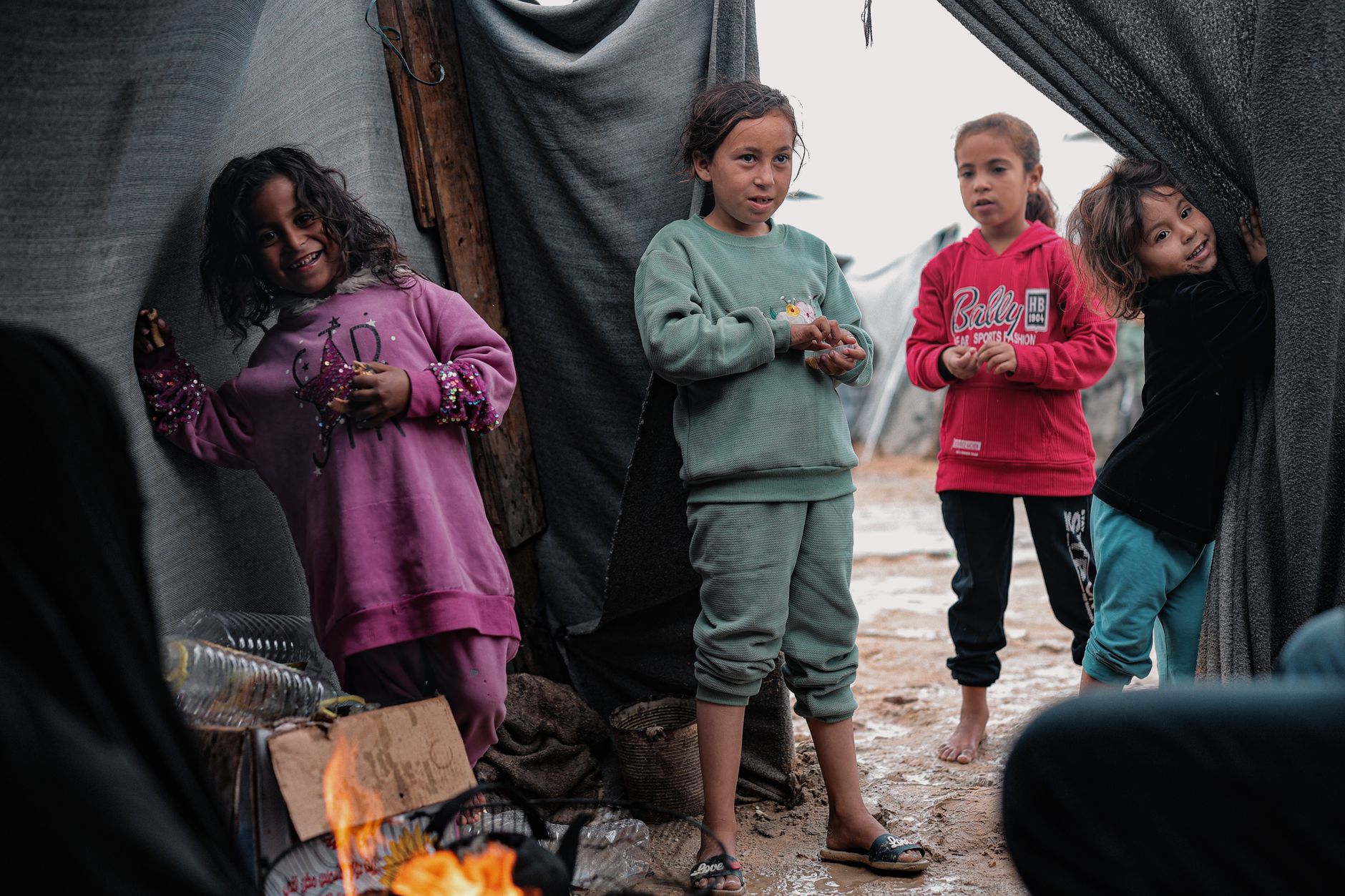
Roughly 1 million Rohingya who fled earlier waves of violence live in squalid refugee camps in Bangladesh, most of them in Cox’s Bazar — the world’s largest refugee settlement. Conditions there are dire. Funding shortfalls have forced the World Food Programme to cut food rations multiple times since 2023, dropping monthly support to just $6 per person at one point. Still, many refugees say they’d rather go hungry in Bangladesh than return to a country where they say they face death.
Thousands more have risked dangerous sea crossings to reach Malaysia, Indonesia, and Thailand, often at the hands of smugglers who extort families for thousands of dollars and sometimes abandon boats at sea.
‘No accountability, no protection’
A senior UN official familiar with the situation said the international community’s response has been wholly inadequate. “What we’re seeing is a population being crushed from every direction — violence at home, destitution in exile, and the world largely looking away,” the official said.
The International Court of Justice is currently hearing a genocide case against Myanmar brought by Gambia in 2019. But legal proceedings move slowly, and for many Rohingya, justice feels like an abstraction.
It’s been more than six years since the military’s 2017 crackdown — described by UN investigators as carried out with “genocidal intent” — forced more than 700,000 people across the border into Bangladesh in a matter of weeks.
What comes next
Rights organizations are pushing donor countries to restore humanitarian funding and press for unimpeded access to Rakhine State. But with Myanmar’s junta showing no willingness to negotiate and regional powers reluctant to apply pressure, the prospects for near-term relief look bleak. For millions of Rohingya, survival itself remains the only realistic goal.