Deadly floods devastate China’s Tibet region and Nepal
Catastrophic flooding has swept through China’s Tibet autonomous region and Nepal, killing dozens of people and leaving entire communities underwater as United Nations agencies scrambled Wednesday to coordinate emergency relief efforts across the affected areas.
Death tolls climb as waters rise
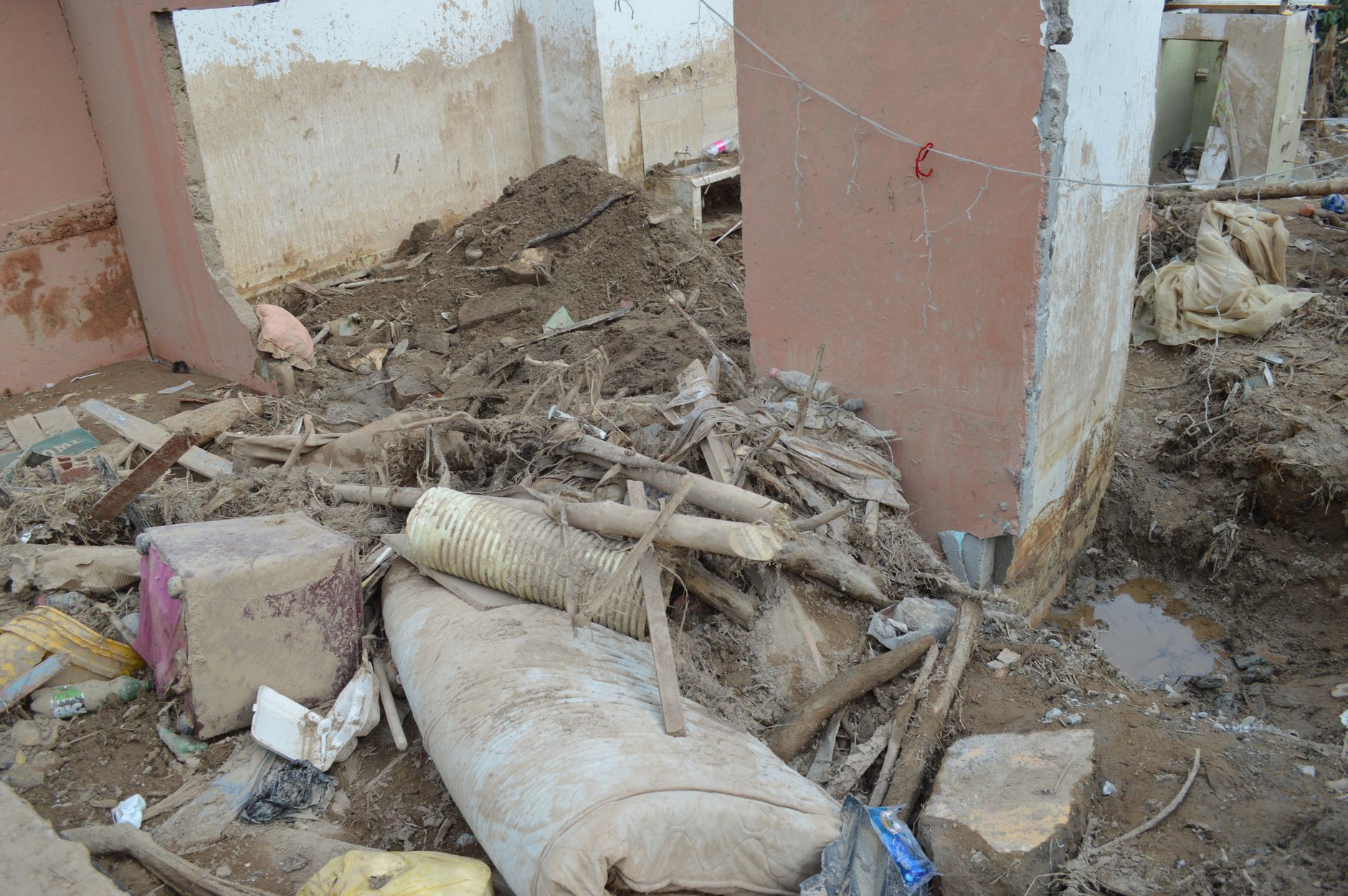
The scale of destruction became clearer throughout the day. In Tibet, flash floods and landslides tore through valleys, destroying roads and cutting off villages from outside help. Nepal faced simultaneous crisis, with swollen rivers bursting their banks and swallowing homes, livestock and cropland. UN agencies confirmed the death tolls were still rising as search teams worked through debris-choked terrain.
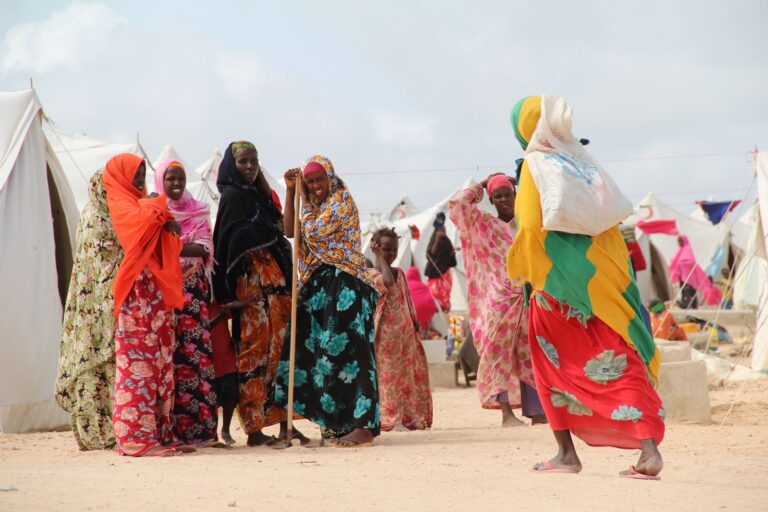
Hundreds of families have been displaced. That’s thousands of people suddenly without shelter, clean water or reliable food supplies — and the rainy season isn’t over yet.
UN agencies deploy emergency response
The UN Office for the Coordination of Humanitarian Affairs confirmed it had activated response mechanisms to support both countries. Teams from the World Food Programme and UNICEF were among those mobilizing supplies, including emergency food rations, water purification kits and temporary shelters.
“We are deeply concerned about the rapidly evolving situation in both affected regions and are working urgently with local authorities to reach the most vulnerable communities,” a UN humanitarian official said in a statement Wednesday.
Getting aid in hasn’t been easy. Landslides have blocked key mountain roads in Tibet, and several bridges in Nepal collapsed under floodwaters, leaving emergency convoys stranded. Helicopter operations were being considered for the most inaccessible areas, but poor weather conditions were hampering flights.
Communities bear the brunt
In Nepal, the flooding hit rural districts particularly hard. Farmers watching their harvests disappear beneath brown, fast-moving water described losing everything in a matter of hours. Some villages reported water levels reaching rooftops. Local officials estimated that thousands of hectares of agricultural land had been submerged, threatening food security heading into winter months.
Tibet faced similarly grim conditions. The region’s mountainous geography meant that floodwater funneled into narrow valleys with enormous force, washing away infrastructure that took years to build. Bridges, irrigation systems and community buildings were among the casualties.
Still, local rescue teams pushed forward. Soldiers and emergency workers pulled survivors from debris and evacuated families from low-lying zones, working through the night in difficult conditions.
What comes next
Aid organizations are warning that the immediate crisis could stretch into a prolonged recovery. Rebuilding damaged infrastructure in remote Himalayan terrain is slow, expensive work. And with climate scientists noting that extreme rainfall events in the region are becoming more frequent and more intense, communities face the prospect of recurring disasters with little buffer time to recover.
International donors and humanitarian organizations are expected to issue formal appeals for funding in the coming days. But for the families who’ve already lost homes, animals and neighbors, the rebuilding can’t come soon enough.