Polarised Brazil: Lula remains strong candidate despite incumbency test
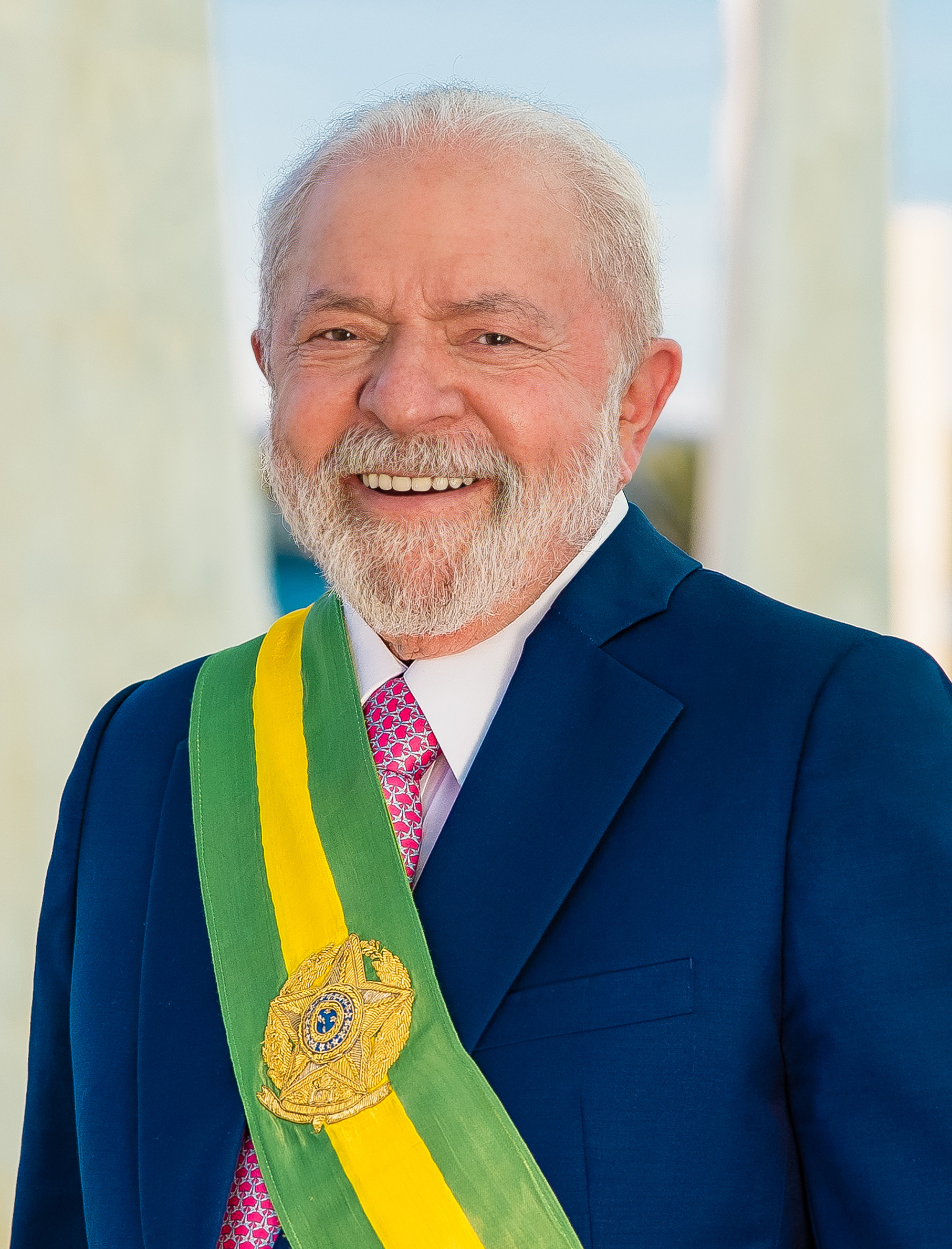
With Brazil’s 2026 presidential election already casting a long shadow over the country’s political landscape, President Luiz Inácio Lula da Silva remains a formidable force — but the road ahead is anything but smooth. That’s the assessment of Andreza Aruska de Souza Santos, Director of King’s Brazil Institute at King’s College London, who spoke recently with journalist François Picard about what she calls a deepening disconnect between Brazil’s economic headlines and lived reality.
Two Brazils, two realities
Brazil’s GDP growth figures look decent on paper. But Aruska is quick to caution against reading too much into them. Inflation has squeezed household budgets hard, and the job market — while technically recovering — is producing work that’s precarious, informal, and poorly paid for millions of Brazilians. “The macroeconomic performance and political confidence are moving on different tracks,” she explained. And that gap, she argues, is exactly where elections are won and lost.
The cost of food alone has become a flashpoint. Basic staples have surged in price over the past two years, eroding whatever goodwill economic growth might otherwise generate. For families already stretched thin, abstract statistics about GDP mean very little.
Lula’s strengths — and his vulnerabilities
Still, Aruska frames Lula as a “strong candidate.” His political experience is unmatched. He’s navigated crises before, and his base — concentrated heavily in Brazil’s northeast and among lower-income voters — remains loyal. The Bolsa Família social welfare programme, which his administration expanded after its predecessor allowed it to deteriorate, continues to reach around 21 million families.
But incumbency is a burden as much as an asset. Voters who were desperate for change in 2022 are now measuring Lula against his own promises. And with inflation still biting and unemployment stubbornly affecting younger workers in particular, that scrutiny is intensifying.
A polarised political landscape
The broader picture, Aruska suggests, is one of a society that’s deeply, perhaps structurally, divided. Bolsonaro’s political movement didn’t dissolve after his 2022 defeat — it regrouped. His allies control significant parts of Congress, and the far-right ecosystem of social media influence and evangelical church networks that powered his rise remains very much intact.
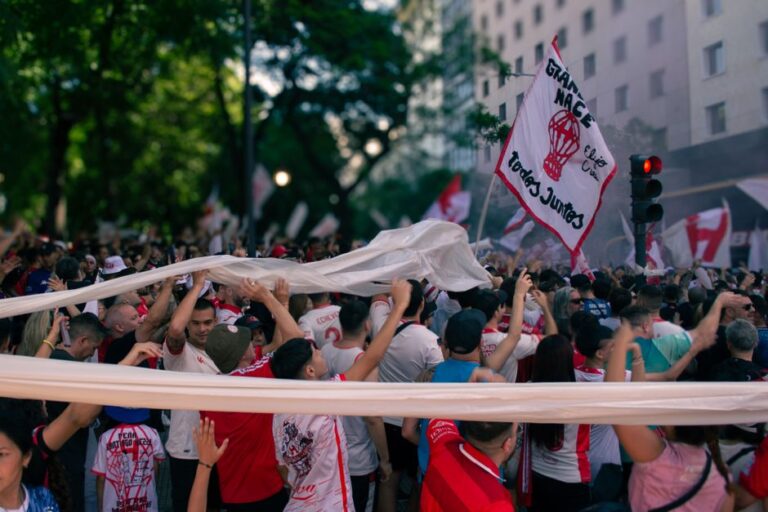
Brazil isn’t just politically polarised. It’s culturally polarised in ways that make compromise difficult and campaigning brutal.
An analyst familiar with Brazilian electoral dynamics noted that “whoever controls the narrative around the economy in the final six months before the vote will likely determine the outcome.” The framing battle, in other words, hasn’t really started yet.
What comes next
With the election still roughly two years away, the political terrain will shift many times over. Brazil’s Supreme Court, its Congress, and its sprawling coalition politics all have the power to reshape the contest dramatically. Lula’s health — he underwent emergency brain surgery in late 2024 — also remains a background concern that few discuss openly but many are watching closely. The race is wide open. But right now, the incumbent holds the edge.