Russians vote on last day of parliamentary elections
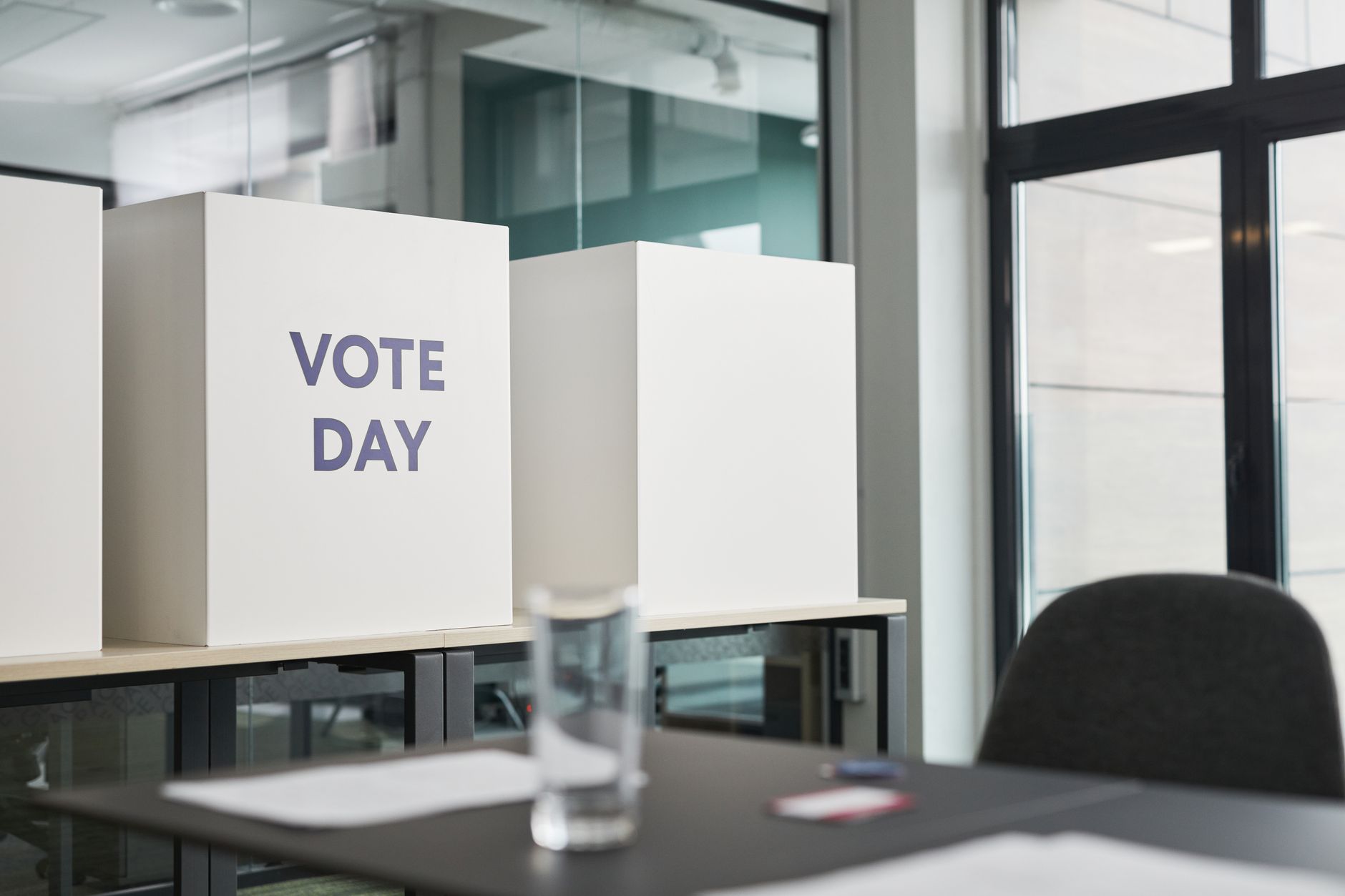
Russians headed to polling stations Sunday for the third and final day of parliamentary elections that critics say were rigged before a single vote was cast. Voting stretched across all eleven of Russia’s time zones, a logistical sprawl that means results won’t fully emerge until late Sunday evening Moscow time.
The elections, held over September 17, 18, and 19, are for the 450 seats of the State Duma, Russia’s lower house of parliament. United Russia, the party closely aligned with President Vladimir Putin, is projected to retain its commanding supermajority — holding well above the 300 seats it needs to amend the constitution unilaterally.
Critics call it a political performance, not a real vote
Opposition figures and independent election monitors have documented widespread irregularities throughout the three-day voting window. Navalny’s Anti-Corruption Foundation pushed its so-called “Smart Voting” strategy, urging Russians to back whichever candidate had the best statistical chance of beating United Russia in any given district — regardless of party.
Turnout figures, always a politically sensitive number in Russia, had reportedly reached around 45 percent by midday Sunday, according to state media.
Still, the Kremlin projected confidence. A spokesperson told state television that the voting process reflected “the democratic will of the Russian people.”
But independent observers weren’t buying it. Several international monitors were either denied accreditation or chose not to participate, citing a lack of meaningful access.
And that’s the broader problem. When opposition candidates are jailed, banned, or simply forced abroad, what’s left isn’t really an election — it’s a managed exercise in political theatre.
Final results are expected to be announced by Monday morning. The composition of the new Duma will shape Russian domestic policy and signal how tightly Putin intends to hold the reins heading toward the 2024 presidential election.