Kenya police killed mourners far from VIP clash, BBC finds
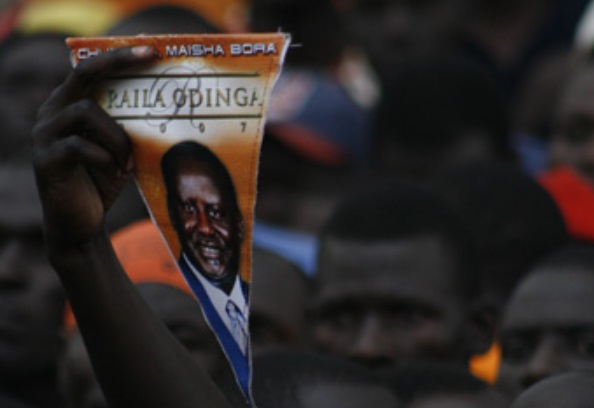
Three mourners shot dead by Kenyan police at a national farewell for former Prime Minister Raila Odinga were not involved in the confrontation that triggered the gunfire, a BBC Africa Eye investigation has found. The event, held last October at Nairobi’s Kasarani Stadium, allowed the public to pay respects to Odinga, who had died the previous day in India aged 80. But chaos erupted when some mourners tried to force access to the VIP pavilion. Police opened fire, and the three victims were each at least 60 metres from the scuffles, according to BBC analysis of footage from inside the stadium.
The investigation reviewed more than 1,500 images and videos to map the locations of those killed on 16 October 2025. Evans Kiche, a 40-year-old chef and father of seven, was around 60 metres from the confrontation when he was shot in the head. Vincent Ogutu, 36, and Jidah Burka, 42, were at least 160 metres away, in opposite stands. Autopsies showed Ogutu died from a chest wound and Burka from a head wound. The BBC’s timeline shows at least eight police officers in tactical gear, some in military camouflage, operating together. At least three of them fired weapons, and the BBC identified them as part of an elite unit responsible for presidential protection. Yet it could not establish which bullets killed each victim, nor rule out other officers firing.
Police response and official reaction
Interior Minister Kipchumba Murkomen told the BBC that police action was “restrained” after the crowd started throwing stones. But BBC analysis of footage found objects including plastic chairs were thrown, with no evidence they included stones. Murkomen said police were under “so much pressure” after working long hours and being deployed to the new venue at the last minute. “The investigations are being done by an independent police oversight authority, we believe that their findings will help us take appropriate legal action,” he said. He added that he didn’t think anyone was sitting there saying “Shoot now”—it was the judgment of a police officer at the spur of the moment.
The Kenya National Police Service said there were “huge lessons picked from the day’s events,” which had formed a learning curve for better professional application in the future. The Independent Policing Oversight Authority is still investigating, and no one has been held accountable. Yvonne Akinyi, whose husband was among those killed, told the BBC: “The people who we look at to protect us, these are the people that cause us this pain. These are the people that make us to become young widows in this country, young orphans in this county.” She is preparing to mark a year since his death, with no answers about why he died while paying respects at a government-organised event.