France braces for new protests after week of riots
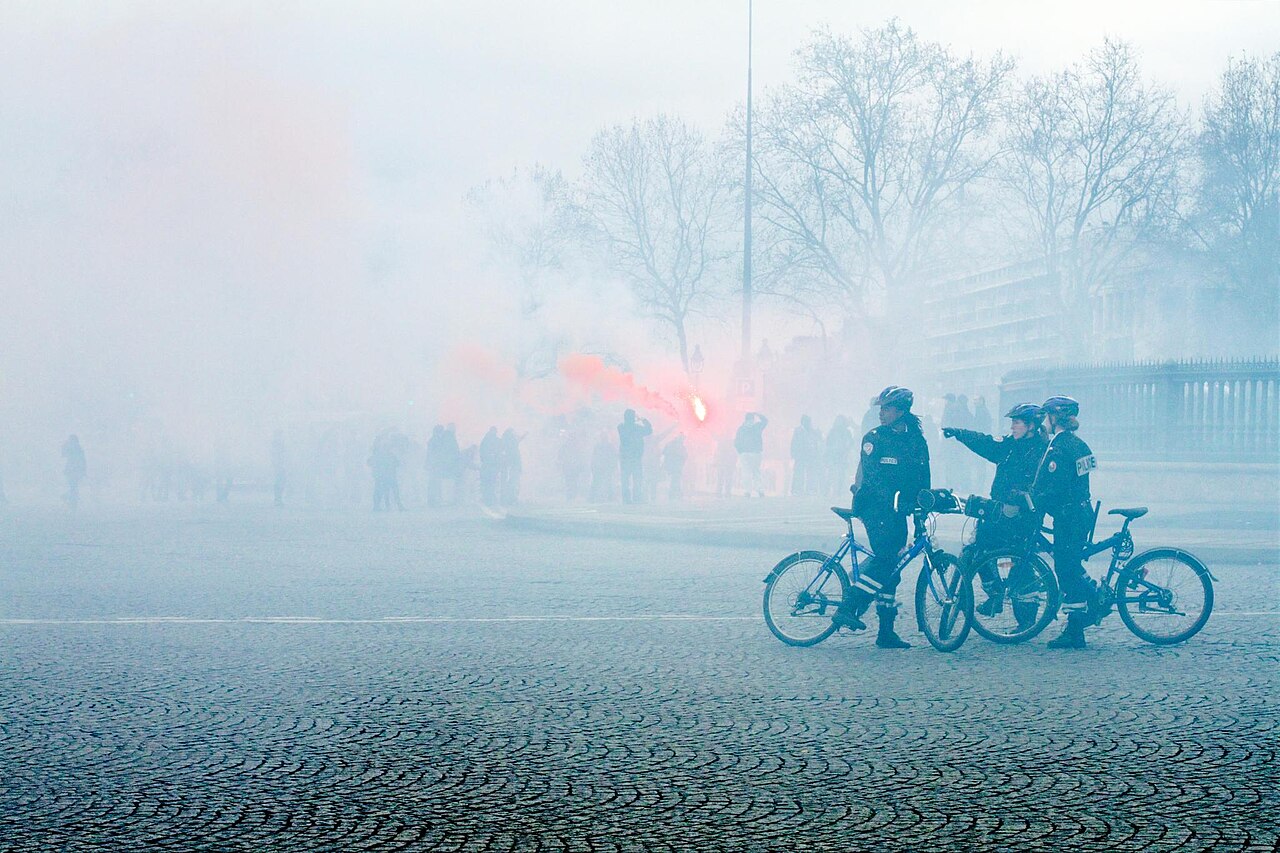
France is on high alert for a fresh round of nationwide protests, exactly one week after the worst unrest in decades swept the country. Hundreds of thousands of demonstrators are expected in Paris and other cities, with sweeping restrictions imposed on gatherings. The interior ministry will deploy 70,000 police officers.
Security clampdown and government warnings
Interior Minister Laurent Nuñez said the authorities would be uncompromising. “We will not let anything go unchallenged,” he said. “We will be uncompromising with the vandals, with the looters, and all those who commit acts of violence.” Nuñez said there had been numerous calls for violence on social media from far left and radical extreme left groups, separate from the planned protests.
Hundreds of people have been jailed for vandalism, arson and looting after fast-track court hearings in recent days. Justice Minister Gérald Darmanin said 232 people were imprisoned for their role in the 17 October riots. More than 1,100 appeared in court, and around 260 cases involve charges of organised gang activity. Darmanin ordered prosecutors to seek punitive measures, including banning those convicted from demonstrations, removing their right to vote, and barring social media access.
Protesters mobilise and political divisions deepen
Students, trade unions and wider anti-government groups organised the second round of protests. President Emmanuel Macron met high-school students’ representatives on Friday, who said he made clear commitments but that students should continue to mobilise. Macron decreed earlier this week that only demonstrations organised by recognised trade unions would be permitted on Saturday.
Some cities announced blanket bans on gatherings, while others allowed registered demonstrations. In Paris, a march organised by a student trade union was ordered to stick to a route that avoids the city centre. The Louvre, Orsay and Picasso museums are closed, and a PSG home match was moved to Monday. Businesses boarded up windows in anticipation of further looting.
Protesters associated with the revived gilets jaunes (yellow-vest) movement could be out in force. A website linked to the group listed more than 500 planned demonstrations and some 200 other actions. The group demanded Macron resign and accused police of attacking protesters. Last week’s unrest saw police vastly outnumbered, shops looted and buildings torched, including a 19th-century town hall in Limoges.
The unrest comes against a backdrop of a polarised political landscape. Macron leaves office next spring, and polls suggest his centrist movement’s candidate could fail to make the run-off vote. The run-off is likely between the hard-right National Rally and the radical-left La France Insoumise. Both parties’ leading figures blame Macron for the disorder. Jean-Luc Mélenchon, leader of La France Insoumise, criticised heavy-handed policing and called on supporters to join Saturday’s protests.
A two-day National Rally conference in Orléans could be a flashpoint, with left-wing groups expected to descend on the city. Thousands of National Rally members will hear leader Marine Le Pen speak. Orléans’ mayor said numbers are expected to be unprecedented, with thousands of police deployed and public transport suspended.