Foreign Affairs Council recap: EU defence readiness, Ukraine, Middle East
EU foreign ministers concluded a pivotal Foreign Affairs Council meeting on 24 May with commitments to substantially increase defence readiness by 2030, approve a further €4 billion in military assistance for Ukraine, and coordinate responses to escalating tensions in the Middle East following recent hostilities between Iran and Israel.
The Council’s deliberations, chaired by High Representative for Foreign Affairs Kaja Kallas, marked a significant moment in the Union’s efforts to adapt its security posture to what officials described as an increasingly volatile geopolitical landscape. Ms Kallas presented an updated EU threat assessment that places hybrid warfare and grey-zone aggression at the centre of strategic planning for member states.
Ukraine Support Package Advances
Ministers agreed to release a new €4 billion tranche from the European Peace Facility, the off-budget instrument used to finance military assistance to partner countries. The funding will support continued weapons deliveries and training programmes for Ukrainian forces as the conflict enters its fourth year.
The package brings total EU military support for Ukraine through the facility to unprecedented levels, though ministers acknowledged ongoing challenges in coordinating national contributions and ensuring timely delivery of critical materiel. Several member states reportedly pressed for clearer mechanisms to track weapons transfers and assess battlefield impact.
Defence Readiness Targets for 2030
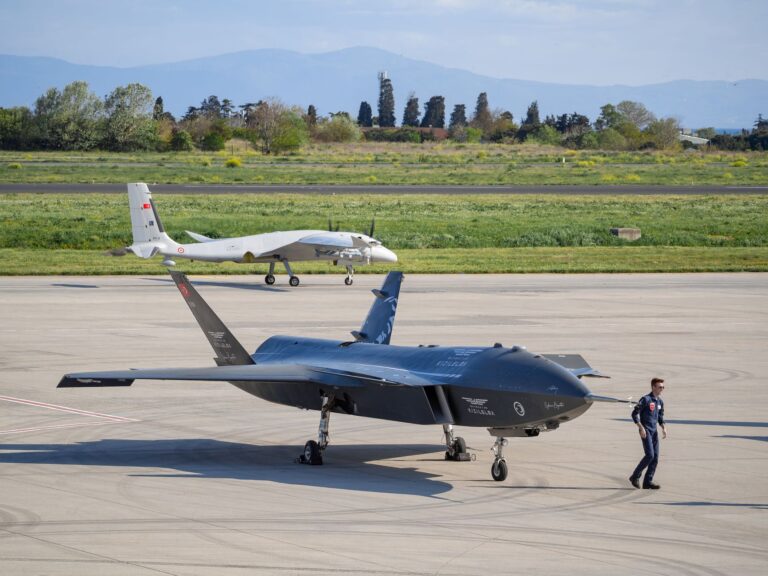
The Council adopted strategic milestones aimed at transforming the EU’s defence capabilities by the end of the decade. The framework identifies specific investment priorities for member states, with particular emphasis on addressing capability gaps in air defence, cyber resilience, and rapid deployment forces.
High Representative Kallas stressed the urgency of the timeline, noting that current threat levels demand accelerated action. “We are facing security challenges that require us to think and act differently,” she said. “The 2030 horizon is not distant – it demands decisions and investments starting now.”
The defence readiness plan builds on existing Commission initiatives, including efforts to leverage EU industrial policy for military production and streamline joint procurement among member states. Ministers discussed mechanisms to ensure smaller member states can participate effectively in collaborative defence projects whilst maintaining sovereign decision-making on security matters.
Hybrid Threats Take Centre Stage
The updated threat assessment presented by Ms Kallas places hybrid warfare and grey-zone tactics – actions that fall below the threshold of conventional armed conflict – at the forefront of EU security concerns. The assessment reflects growing anxiety about sabotage, disinformation campaigns, cyber attacks, and other forms of aggression that blur traditional boundaries between peace and war.
Ministers agreed that countering these threats requires enhanced coordination between civilian and military authorities, improved intelligence sharing among member states, and substantial investment in resilient critical infrastructure. The Council called for accelerated work on proposals to protect undersea cables, energy networks, and digital systems from hostile interference.
Middle East Tensions Following Iran-Israel Hostilities
The Council devoted substantial attention to the situation in the Middle East following recent escalation between Iran and Israel. Ministers discussed the EU’s role in preventing further deterioration and supporting diplomatic efforts to contain the crisis.
Whilst member states demonstrated differing emphases on regional partnerships and threat perceptions, the Council affirmed a common position supporting de-escalation and calling for restraint from all parties. Officials acknowledged the interconnection between Middle East stability and European security, particularly regarding energy supplies, migration flows, and terrorism risks.
The foreign ministers tasked the European External Action Service with developing options for enhanced EU diplomatic engagement in the region, including potential coordination with international partners on conflict prevention mechanisms.
Implementation and Next Steps
The conclusions reached on 24 May will now feed into broader discussions on EU security architecture, including ongoing negotiations over the next multiannual financial framework and proposals for enhanced defence industrial cooperation. The Commission is expected to present detailed implementation plans for the 2030 defence readiness targets in the coming months.
As the Union navigates an increasingly complex security environment spanning Eastern Europe and the Middle East, the Council’s decisions reflect recognition that military capability, diplomatic leverage, and economic resilience must advance in tandem. Whether member states can translate these strategic commitments into concrete action – and sufficient funding – will determine the EU’s capacity to protect its interests in an era of intensified geopolitical competition.