EU chief proposes associate membership for Canada at Montreal summit
Von der Leyen’s vision for deeper ties
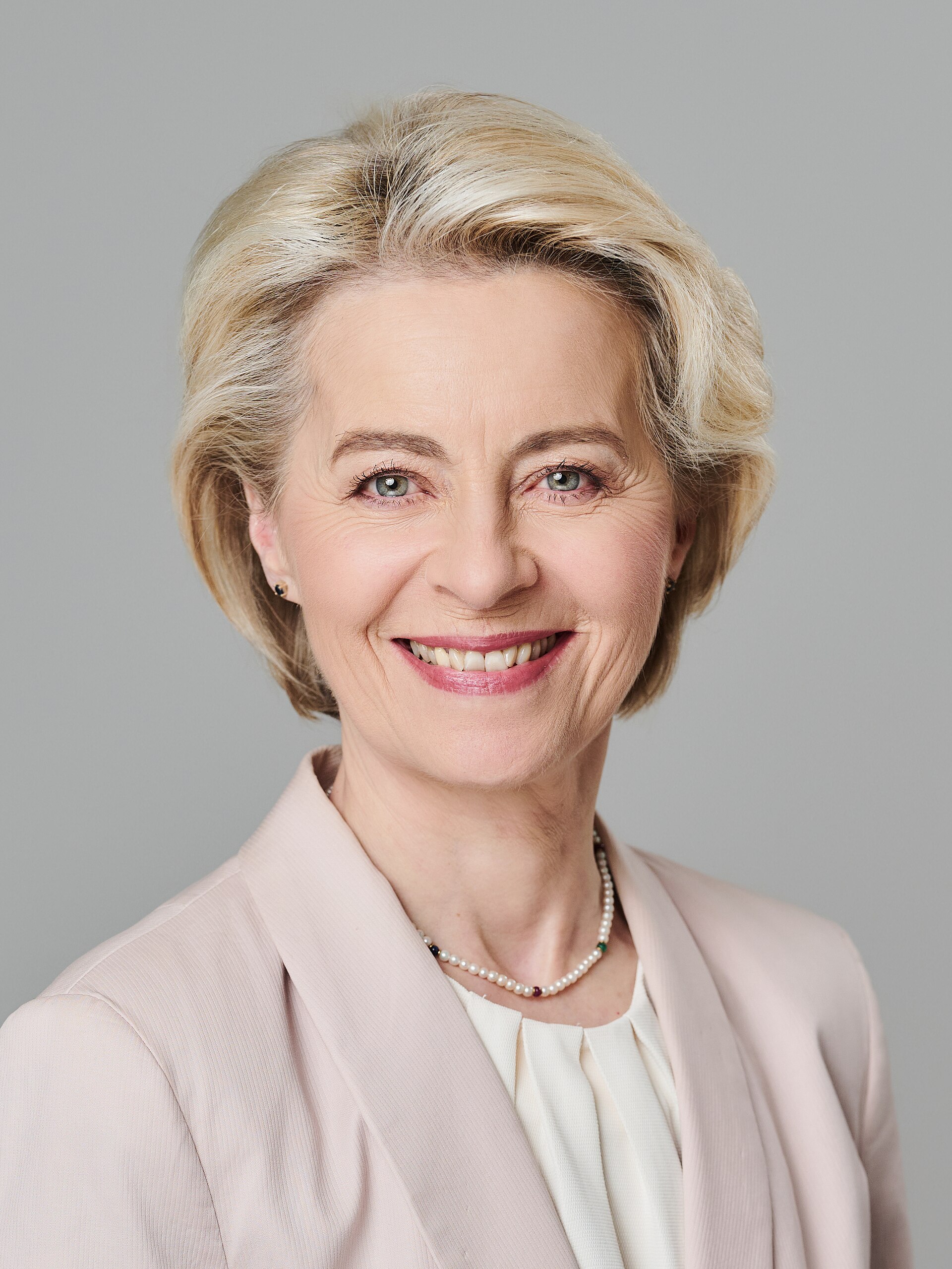
European Commission President Ursula von der Leyen used a Montreal summit to lay out a vision for Canada as an “associate member” of the European Union. She said the partnership “comes close to membership than anything we have done before.” Yet the concept doesn’t formally exist, and not all EU nations are on board with the label.
Germany has questioned the term. Its ambassador to Canada, Matthias Lüttenberg, said some member states were “a little surprised” by von der Leyen’s announcement. He noted that Germany uses “associate membership” for something completely different — the EU’s relationship with Ukraine and potentially Moldova. Those countries have spent years trying to join the bloc.
Despite the pushback, von der Leyen has kept using the phrase. The two-day summit in Montreal, which ends Friday, is expected to produce agreements on defence, critical minerals, research and trade. But European officials earlier this week played down the chance of a major announcement on Canada’s new status, saying much would be sorted out in the coming months.
Canada’s pragmatic approach
Canadian officials say they won’t pay a membership fee like EU nations. Instead, Canada is exploring participation in various EU programmes that would benefit both sides. A senior Canadian official, speaking anonymously, said: “The wording is emblematic of the ambition.”
Prime Minister Mark Carney echoed that sentiment. “What matters is the difference it will make to the lives of Canadians,” he said. Polls show a majority of Canadians favour closer ties with Europe. But Conservative leader Pierre Poilievre dismissed the effort, saying it won’t lower anyone’s mortgage or grocery bill. He pointed out that Canada already has a free trade deal with the EU.
Carney has been steering Canada toward Europe since taking office last year, amid a trade war with the United States. U.S. President Donald Trump called the associate membership idea “laughable” and threatened serious tariffs on Europe if he saw it as a hostile act. Canadian officials stress the pivot isn’t meant to offend anyone — it’s about building on existing work.
Concrete steps already taken
Canada recently signed an agreement giving its defence companies access to the EU’s Security and Defence Partnership programme. In May, it inked a landmark energy deal with Germany for the first long-term shipments of liquefied natural gas from Canada to Europe. On Thursday, Canada released its first National Security Strategy in two decades, making support for European security a priority.
Carney told EU lawmakers in Strasbourg that Canada and Europe are “stronger together” in the face of geopolitical rupture. But he says the exact terminology doesn’t matter. What counts, he insists, is the tangible impact on Canadians.