AI’s electricity crunch drives nuclear deals but who foots the bill?
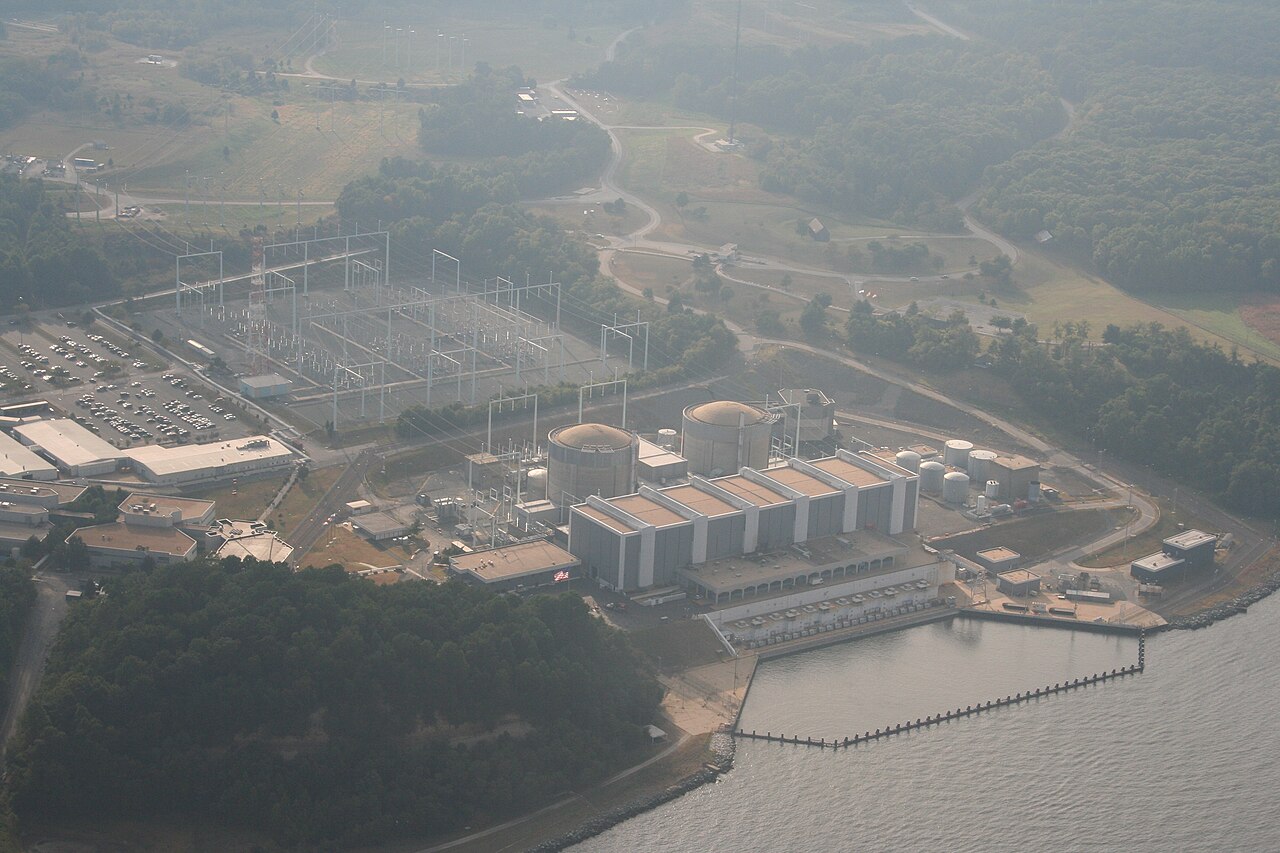
In the span of one week, two of the world’s three biggest cloud providers locked in 20-year nuclear power purchase agreements. Amazon secured 690 megawatts from Constellation’s Calvert Cliffs plant in Maryland, including 190 megawatts of new capacity expected between 2030 and 2032. Google followed with a deal to add 890 megawatts of nuclear capacity to the US grid. Neither pact involves building new reactors; instead, they pay for more output from existing ones, some older than the companies themselves.
Old reactors, new demand
Constellation is pouring over $4.3bn into upgrading 11 reactors across Illinois, Pennsylvania and New Jersey. Nuclear fell out of favor after Three Mile Island in 1979, Chornobyl in 1986 and Fukushima in 2011. Germany phased it out entirely, and Japan shut its fleet after Fukushima, though it’s since restarted some. In many democracies, backing nuclear became politically toxic. But now the undamaged reactor at Three Mile Island is coming back, with Microsoft contracted to buy its output for 20 years. The US Department of Energy is lending up to $4.4bn to restart three shuttered plants, aiming for about 2.25 gigawatts. Palisades in Michigan, closed in 2022, is set to generate again by March 2027—potentially the first US commercial plant to restart after decommissioning.
Efficiency didn’t cut it
For a decade, the industry’s answer to AI’s energy appetite was efficiency: better chips, smaller models, smarter cooling. Modern AI chips do far more per watt. Yet overall demand kept climbing. Each efficiency gain was quickly swallowed by something bigger. DeepSeek showed a competitive model could be trained at a fraction of the expected cost, but that didn’t reduce spending. Labs kept planning longer training runs, models that reason for longer, agents running continuously, video generation. It’s the Jevons paradox from 1865: more efficient steam engines made Britain burn more coal, not less. The International Energy Agency now expects global data centre electricity demand to more than double to around 945 terawatt-hours by 2030, even with continued efficiency gains. So the strategy flipped: unable to shrink demand, companies are buying up supply.
Who pays?
Most of these deals sit inside PJM, the grid operator serving about 67 million people across 13 states and Washington, DC. PJM runs capacity auctions to secure future resources, and costs flow to consumers. Capacity prices hit the regulatory cap in three straight auctions. Data centre demand added roughly $29.4bn in capacity costs over the last four auctions, with $6.3bn in the latest one alone. Households are already paying higher capacity charges partly because of projected demand from facilities that may never be built. The Natural Resources Defense Council estimates a typical PJM household could pay an extra $70 a month by 2028 if trends hold. Virginia created a separate rate class for data centres; Ohio set minimum billing; Illinois is debating. Google’s deal aims to ease this by having new big users bring their own generation. But it’s voluntary. In October 2026, federal regulators rejected most of PJM’s proposal to require that. The question is how long voluntary commitments last if costs rise.