Cape Verde votes in presidential election with first female candidate
Voters in Cape Verde head to the polls on Sunday to elect their next president, with incumbent José Maria Neves widely expected to secure a second term. Polling stations open at 8 am and close after 10 hours, with provisional results due overnight. If no candidate wins an absolute majority, a runoff will be held on 29 November.
A historic candidacy and key challengers
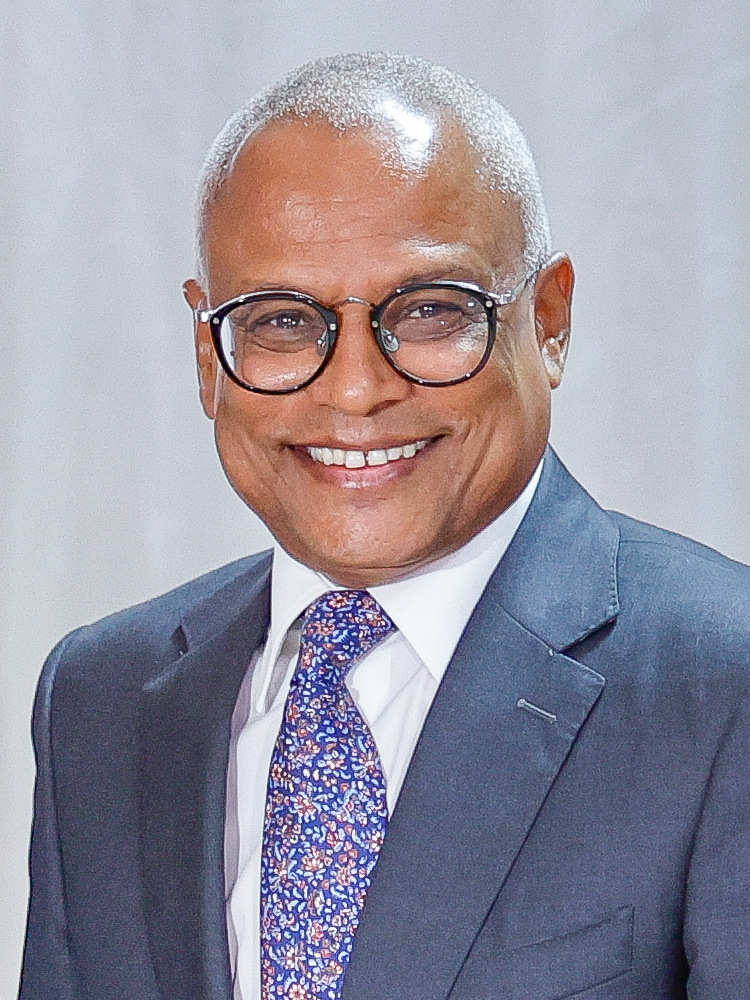
Five contenders are in the race, including Joana Rosa Amado, the first woman ever to run for the presidency in Cape Verde. The 61-year-old lawyer, backed by the opposition Movement for Democracy (MpD), has centred her campaign on being a counterweight to the African Party for the Independence of Cape Verde (PAICV), which controls the government and most municipalities. Amado, a former justice minister, said her slogan “Listen to Cabo Verde” “does not mean promising everything, but rather, knowing the real concerns and expectations of the population.” She added that “the election of a woman to the presidency would show many young women and young girls that no government job is barred from them.”
Neves, 66, served as prime minister and PAICV president from 2001 to 2016. He won the 2021 presidential election with about 52% of the vote and has pledged cross-party support to improve housing, healthcare, education, and to create jobs and raise wages. Another candidate, 45-year-old surgeon Gilson Alves, has promised to fight corruption, allow gun ownership, and restore the death penalty.
Cape Verde, an archipelago off the West African coast around 600 km from Senegal, has roughly half a million inhabitants. It is known for democratic stability and peaceful transfers of power. In July, the World Bank classified it as an upper-middle-income country, driven by tourism growth and a 16.8% increase in gross national income per capita between 2023 and 2024. But persistent social inequality, geographic isolation, and a lack of affordable inter-island travel remain challenges. Local concerns include the rising cost of living, fuel prices, and youth unemployment.