West Bank school closures, AI health tools, Indigenous rights: World news
West Bank schools increasingly out of reach
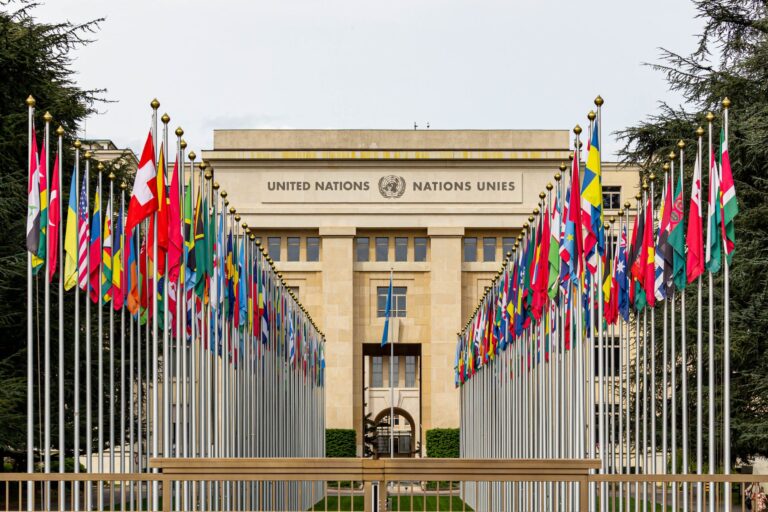
Access to education is deteriorating sharply across the West Bank, the United Nations reported on Wednesday, with hundreds of schools shuttered or made effectively unreachable by a combination of military checkpoints, settler violence, and demolition orders. The UN Office for the Coordination of Humanitarian Affairs documented at least 142 incidents affecting students and teachers in the first quarter of this year alone — a 38% rise compared to the same period in 2023.
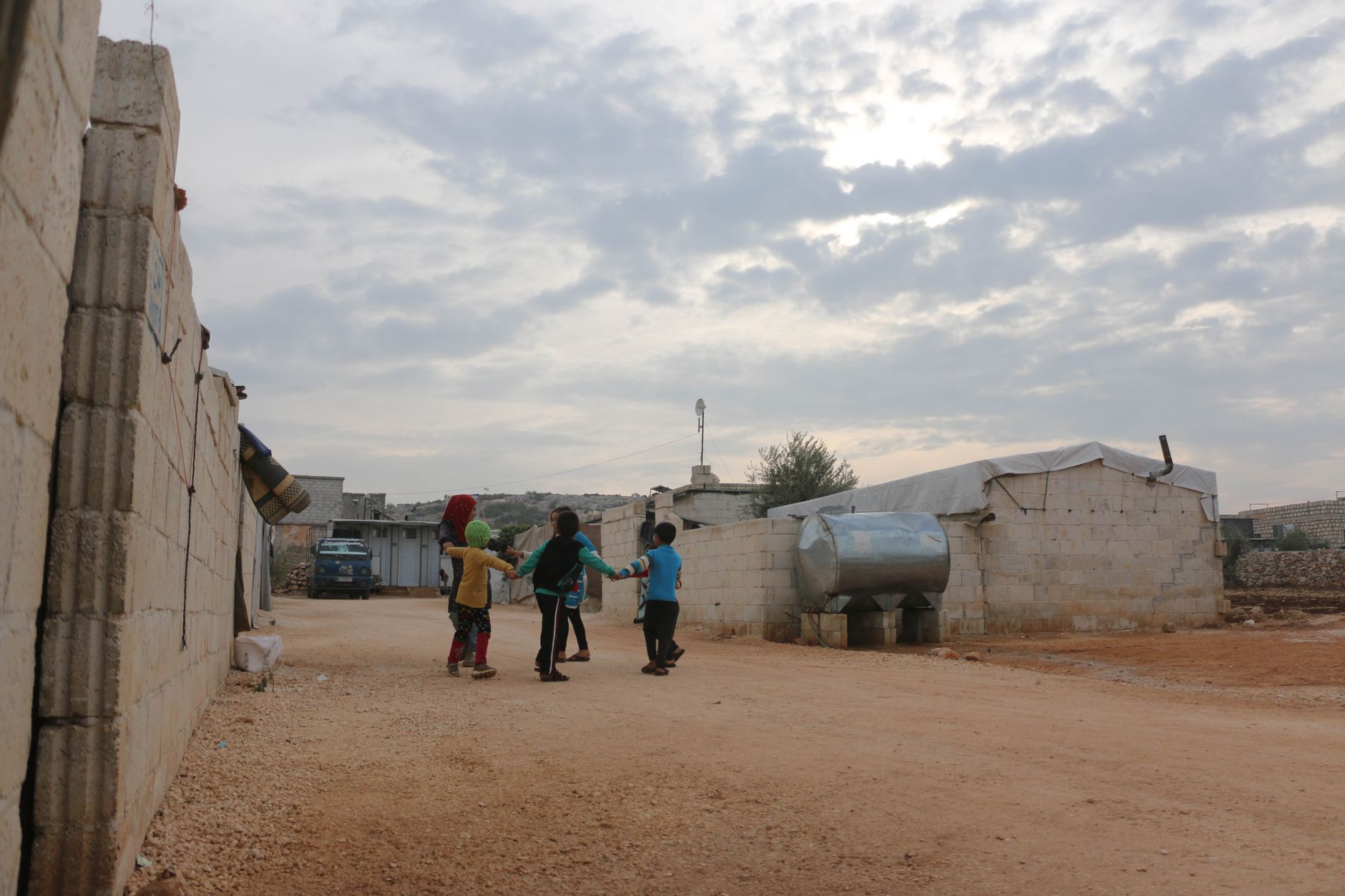
Children in some villages are walking hours around closed roads just to reach a classroom. Many don’t make it at all. In the Hebron Hills area, three schools serving roughly 900 students have been forced to operate on reduced schedules since February, after Israeli military orders restricted movement along the main access route.
“The right to education isn’t negotiable,” said a UNICEF spokesperson in Jerusalem. “What we’re seeing is a generation being systematically cut off from learning.”
AI tools move deeper into hospitals
On the technology front, artificial intelligence is quietly reshaping how doctors work — and not without controversy. A new analysis published this week in the journal Nature Medicine found that AI diagnostic tools reduced average cancer detection time by 31% across 14 hospital networks in Europe and North America. That’s a significant number. But critics are pushing back hard on the pace of rollout.
Patient advocacy groups in Germany and Canada are raising alarms about data privacy and the risk of algorithmic bias in systems trained primarily on data from white, Western populations. Regulators in the European Union are expected to release updated clinical AI guidelines before the end of the year, though draft versions suggest the rules won’t be nearly as strict as health campaigners had hoped.
Still, the technology isn’t going away. Several major hospital networks in Japan and Brazil announced partnerships with AI developers this week, signaling that adoption is accelerating regardless of the regulatory debate.
Indigenous land rights gain ground — slowly
In Canada, a landmark ruling by the British Columbia Supreme Court affirmed Tuesday that the Wet’suwet’en Nation holds constitutionally protected title over approximately 66,000 hectares of unceded territory in the province’s northwest. It’s the most significant Indigenous land rights decision in the country in nearly a decade.
The ruling doesn’t automatically halt resource development in the region. But it does require the provincial and federal governments to obtain meaningful consent — not just consultation — before approving new projects on that land.
Indigenous leaders called it a step forward. Many were careful not to call it a victory, pointing out that similar rulings in the past have taken years to translate into real change on the ground.
Meanwhile, in Brazil, legislation that would have severely restricted Indigenous land claims was sent back to committee after sustained protest by Indigenous groups and international human rights organizations, buying advocates more time to fight its passage.
All three stories — a child walking miles to a shuttered school, a hospital algorithm missing a diagnosis, a community waiting decades for a court to affirm what it always knew — point toward a world still struggling to close the gap between its stated values and its daily reality.