Blood safety improves globally, but gaps threaten lives in poor nations
A new World Health Organization report reveals significant progress in blood safety across the globe, yet troubling disparities continue to leave millions in lower-income countries without access to lifesaving transfusions. The findings paint a picture of a world divided—where some nations have achieved near-universal blood safety while others still struggle with basic supply.
Lives Hanging in the Balance
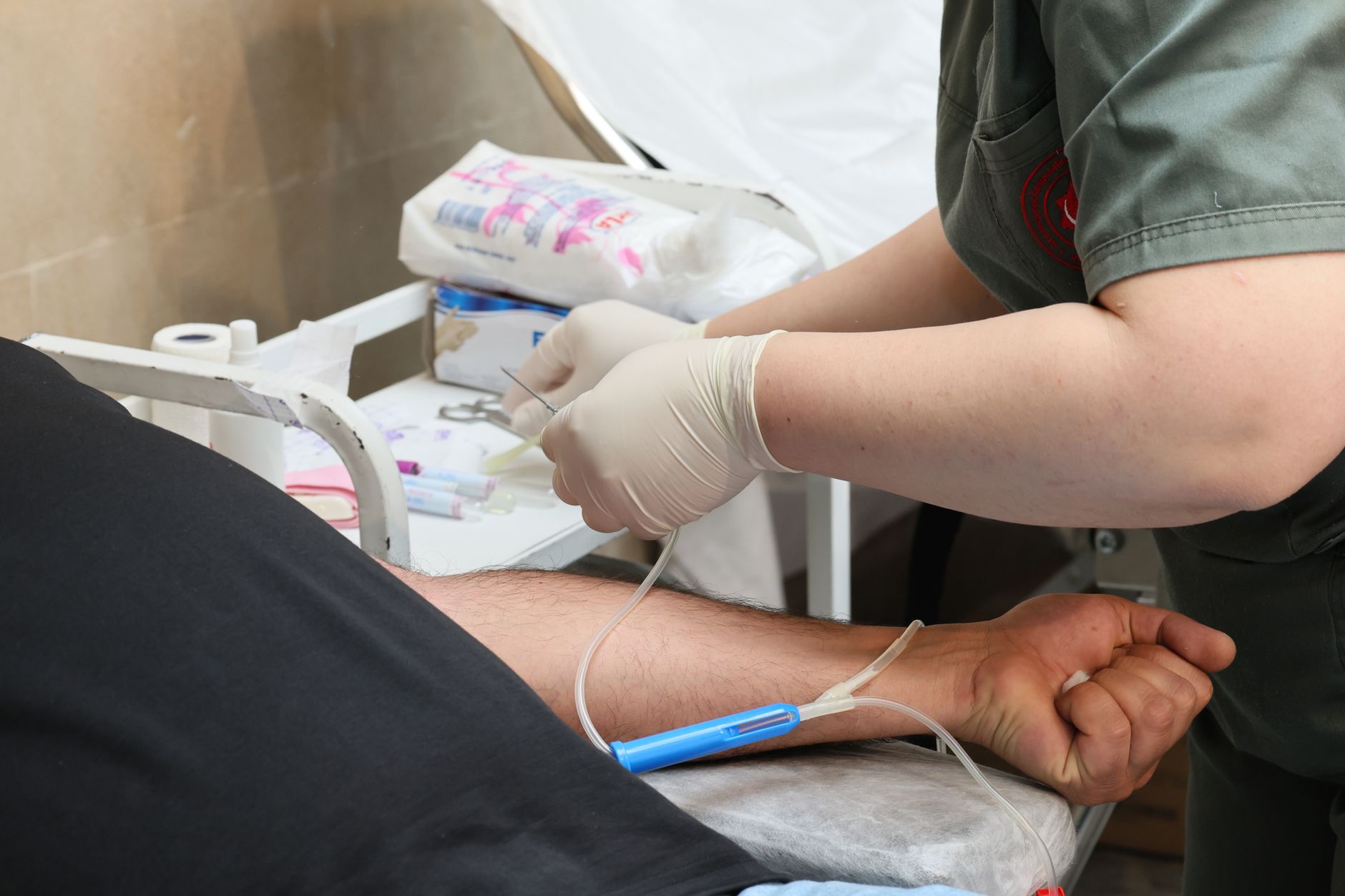
Every day, safe blood makes the difference between life and death for women facing childbirth complications, trauma victims rushed from accident scenes, cancer patients undergoing treatment, and those managing chronic diseases. It’s a medical necessity that richer nations take for granted. But in many parts of the world, hospitals simply don’t have enough.
The WHO report documents decades of improvement in screening protocols, storage facilities, and donation systems. Yet the data shows that blood shortages remain a critical problem in countries with the fewest resources—precisely where maternal mortality rates are highest and medical infrastructure is most fragile.
An Unequal Distribution
The gap isn’t just about quantity. Blood safety standards vary dramatically between high-income and low-income nations, creating what health officials describe as a two-tier system. While wealthy countries have implemented rigorous testing for infectious diseases and maintain robust cold-chain systems, poorer nations often lack even basic screening capabilities.
And that’s where the real danger lies.
Contaminated blood can transmit diseases including HIV, hepatitis B and C, and other infections. Without proper testing infrastructure, every transfusion becomes a potential risk rather than a guaranteed lifeline. The report emphasizes that this isn’t just a supply problem—it’s a quality crisis that threatens patient safety at its most fundamental level.
The Path Forward
Health officials stress that solutions exist but require sustained investment and political commitment. “Safe blood transfusion is a cornerstone of modern healthcare, and no one should die because they can’t access it,” a WHO official stated. “We know what works—we need to ensure these systems reach everyone, everywhere.”
The report calls for strengthened national blood programs, better donor recruitment strategies, and improved testing technologies in resource-limited settings. Mobile donation units, community engagement campaigns, and regional blood banks have shown promise in some countries.
But closing the gap won’t happen overnight. It requires training healthcare workers, building reliable supply chains, and establishing voluntary donor systems where none exist. The WHO is pushing for increased funding and technical support to help lower-income nations build sustainable blood safety programs that can meet their populations’ needs for years to come.