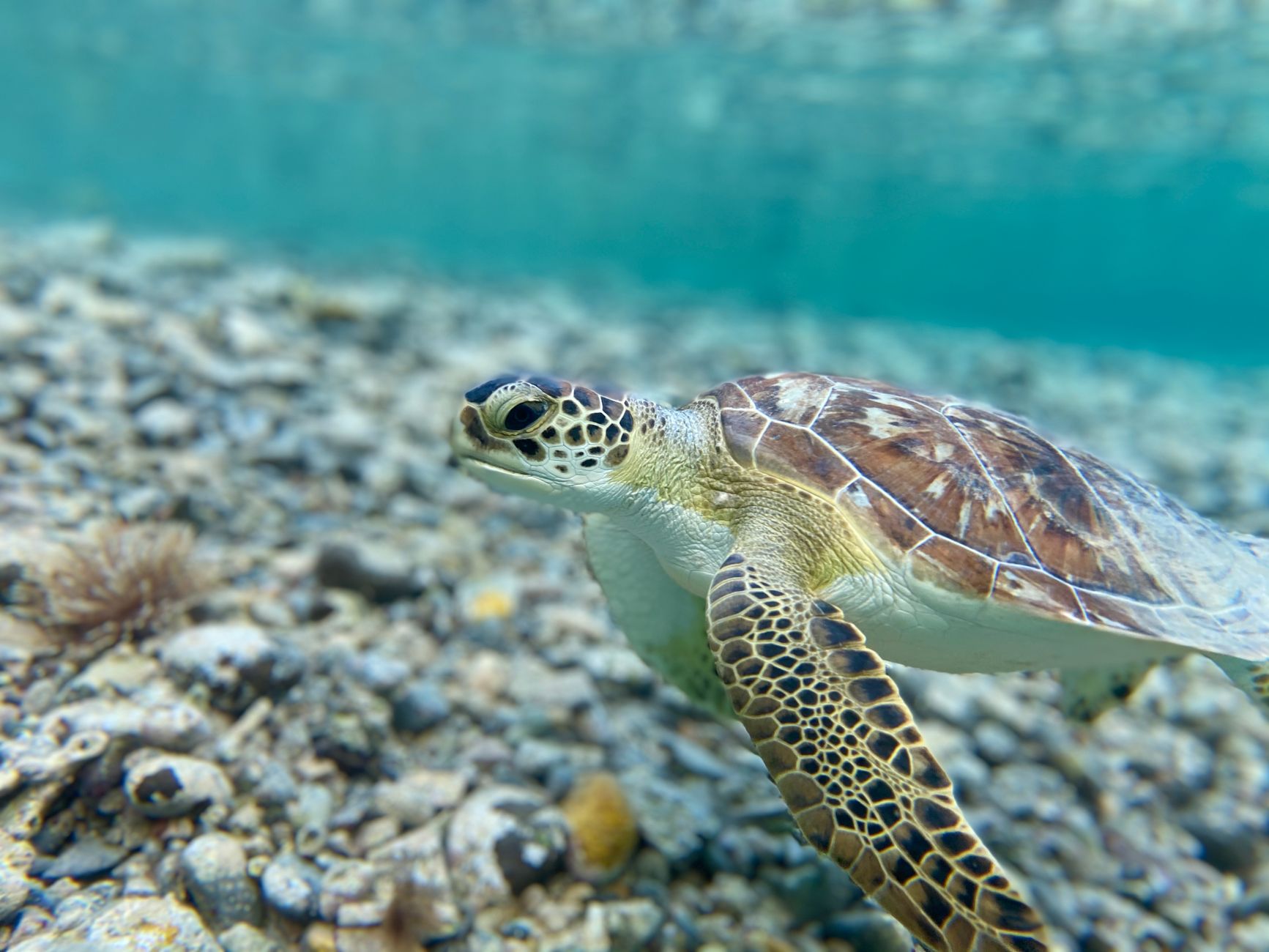
China claims ‘spy sea turtles’ monitor its coastline
Chinese authorities have accused foreign intelligence agencies of weaponizing marine life, claiming that sea turtles and other ocean creatures are being fitted with sophisticated tracking devices to map vulnerabilities in the country’s coastal defenses.
Beijing’s Ministry of State Security issued the unusual warning through its official WeChat account on Tuesday, stating that at least seven marine animals equipped with surveillance equipment have been discovered near sensitive military installations along China’s 18,000-kilometer coastline since 2021. The ministry didn’t specify which countries were allegedly behind the operation.
Devices Found on Multiple Species
According to Chinese security officials, the tracking devices weren’t limited to sea turtles. They claim to have found similar equipment attached to crabs, dolphins, and even migratory birds near naval bases in the South China Sea. The devices allegedly included GPS trackers, underwater cameras, and sensors capable of measuring water depth and temperature—data that could prove valuable for submarine operations.
But marine biologists have pushed back against these claims. Dr. Wang Xiaoming, a researcher at Shanghai Ocean University speaking in his personal capacity, noted that scientists worldwide have used tracking devices on sea turtles for decades to study migration patterns. “There’s nothing inherently suspicious about tagged marine animals,” he said.
Escalating Surveillance Concerns
The spy turtle allegations come amid heightened tensions over espionage activities in the region. China has ramped up counter-intelligence operations in recent months, detaining at least 15 foreign nationals on spying charges this year alone. Last month, authorities in Guangdong province arrested a local fisherman for allegedly passing information about tagged sea creatures to foreign contacts.
Yet skepticism abounds.
Western intelligence analysts say the claims might be part of a broader campaign to justify increased surveillance of China’s coastal population. The Ministry of State Security has encouraged citizens to report suspicious marine life through a dedicated hotline, promising rewards of up to 100,000 yuan ($13,800) for credible information.
Regional Impact and Future Monitoring
The accusations have already affected regional research. Three international marine conservation projects operating in Chinese waters have been suspended pending security reviews. Scientists from Japan, Australia, and the United States who were studying endangered sea turtle populations have been asked to leave the country temporarily.
So what happens next? Chinese authorities say they’re developing new protocols for inspecting marine animals found near military zones. They’ve also announced plans to establish “marine security zones” extending 50 kilometers from naval installations, where any tagged wildlife will be automatically detained and examined.
The controversy underscores growing anxieties in Beijing about foreign intelligence gathering, even as critics suggest the government may be seeing threats where none exist. Whether spy turtles are real or imagined, China’s coastline monitoring won’t be letting its guard down anytime soon.