Brussels rally urges EU to ban settlement goods before summit
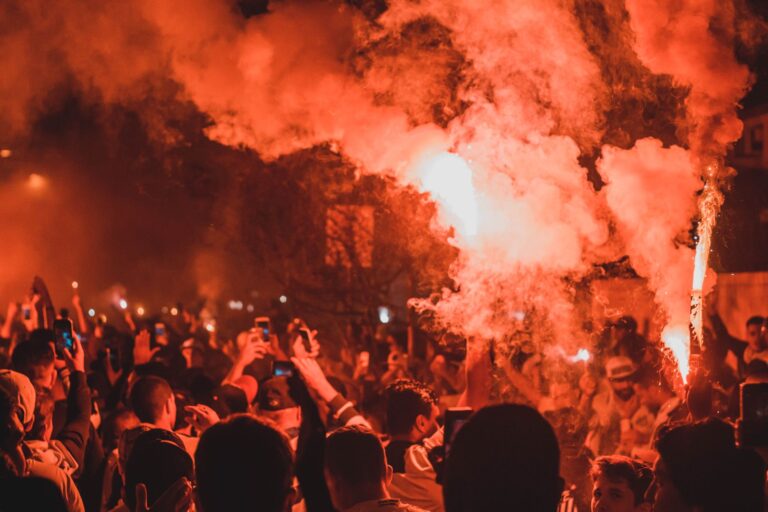
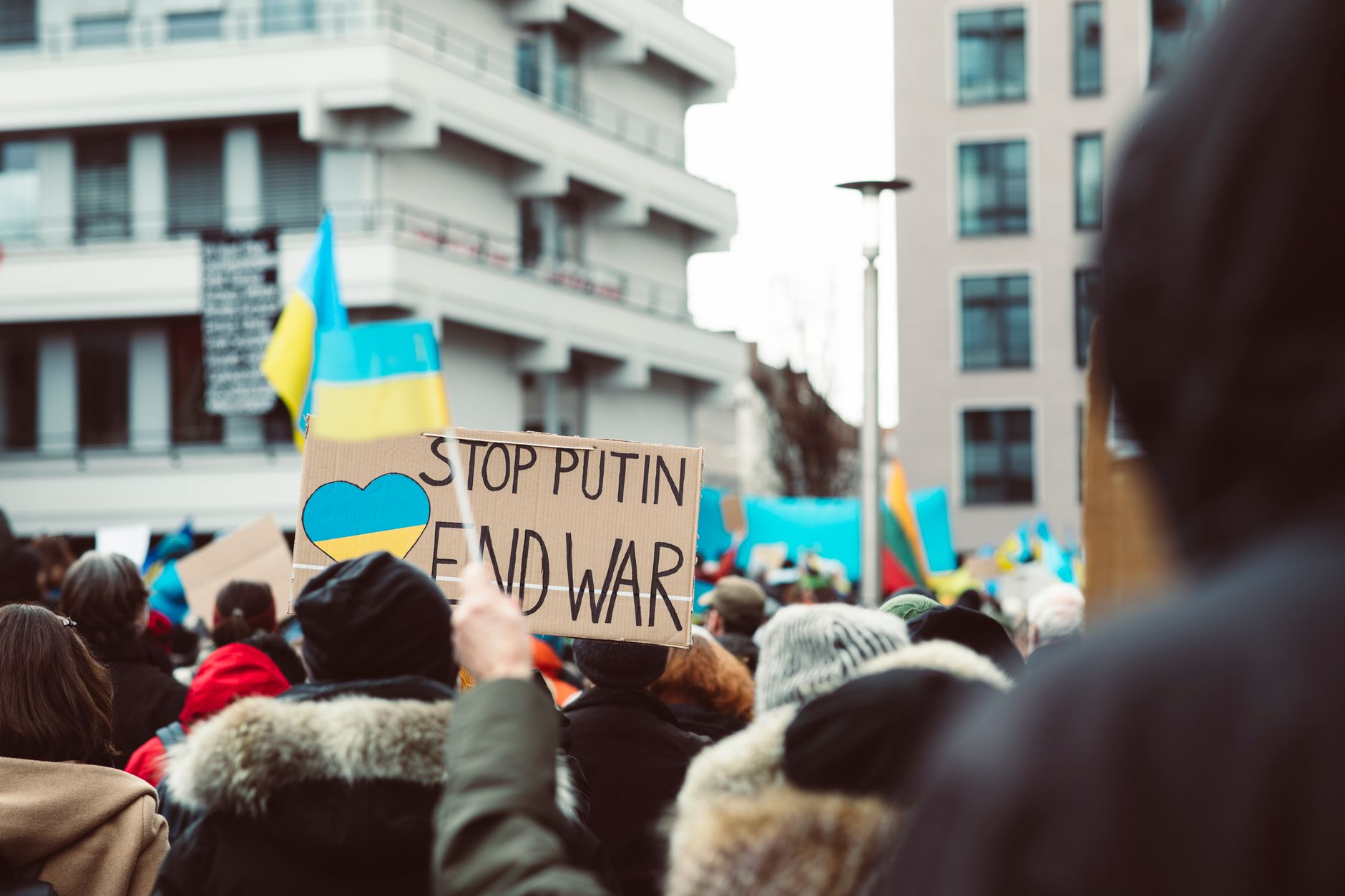
Hundreds of protesters filled central Brussels on Monday, demanding that European Union leaders take concrete action against Israeli settlement trade as a high-stakes EU summit loomed just days away. The demonstration, which drew an estimated 400 people to the Place du Luxembourg, called for immediate sanctions on Israel and a hard ban on goods produced in West Bank settlements.
Crowds gather ahead of EU leaders’ meeting
The rally on 17 June came at a politically charged moment. EU member states have been locked in drawn-out disagreements over how far to push back against Israeli policies in the occupied territories, and protesters said they were tired of waiting. Chants in French, Dutch, and English echoed across the square outside the European Parliament building. Demonstrators waved Palestinian flags and held banners reading “No trade with apartheid” and “Stop funding settlements.”
It’s the kind of direct pressure that Brussels doesn’t always see. But organizers said they felt the summit created a rare window to force the issue onto the agenda.
What protesters are demanding
The core demand is a full ban on imports of goods originating from Israeli settlements in the West Bank, which are considered illegal under international law. Protesters also pushed for the suspension of the EU-Israel Association Agreement, a trade and cooperation deal that critics say rewards Israel with preferential market access while settlement construction continues to expand.
A spokesperson for one of the organizing groups, a Brussels-based human rights coalition, told reporters outside the rally: “The EU has all the legal tools it needs. What’s missing is the political will to use them. Every month of delay is another month of funding illegal settlements through European consumer spending.”
Settlement goods currently enter EU markets under standard labelling rules, though a 2015 EU ruling requires products from settlements to be labelled differently from goods made inside Israel’s pre-1967 borders. Campaigners say that rule is poorly enforced and doesn’t go nearly far enough.
Divisions within the EU bloc
Still, getting 27 member states to agree on sanctions is no simple task. Countries like Ireland and Spain have been vocal in pushing for stronger EU action, while Germany, Italy, and others have been far more cautious. That’s the fundamental tension that’s defined European policy for years, and it won’t be resolved in a single summit.
The EU has not imposed sanctions on Israel, even as it moved relatively quickly to sanction Russia following the 2022 invasion of Ukraine. That comparison has become a recurring talking point among activists and some MEPs.
What comes next
The EU summit is scheduled for 19 and 20 June in Brussels. Trade policy and the Middle East are both on the agenda, though diplomats have signalled that a major policy shift on settlements isn’t expected to emerge immediately. And yet the pressure from the streets, and from within the European Parliament itself, appears to be building. Whether European leaders choose to act on it is another question entirely.