Slovakia and the rule of law: Parliament keeps pressure on Fico government
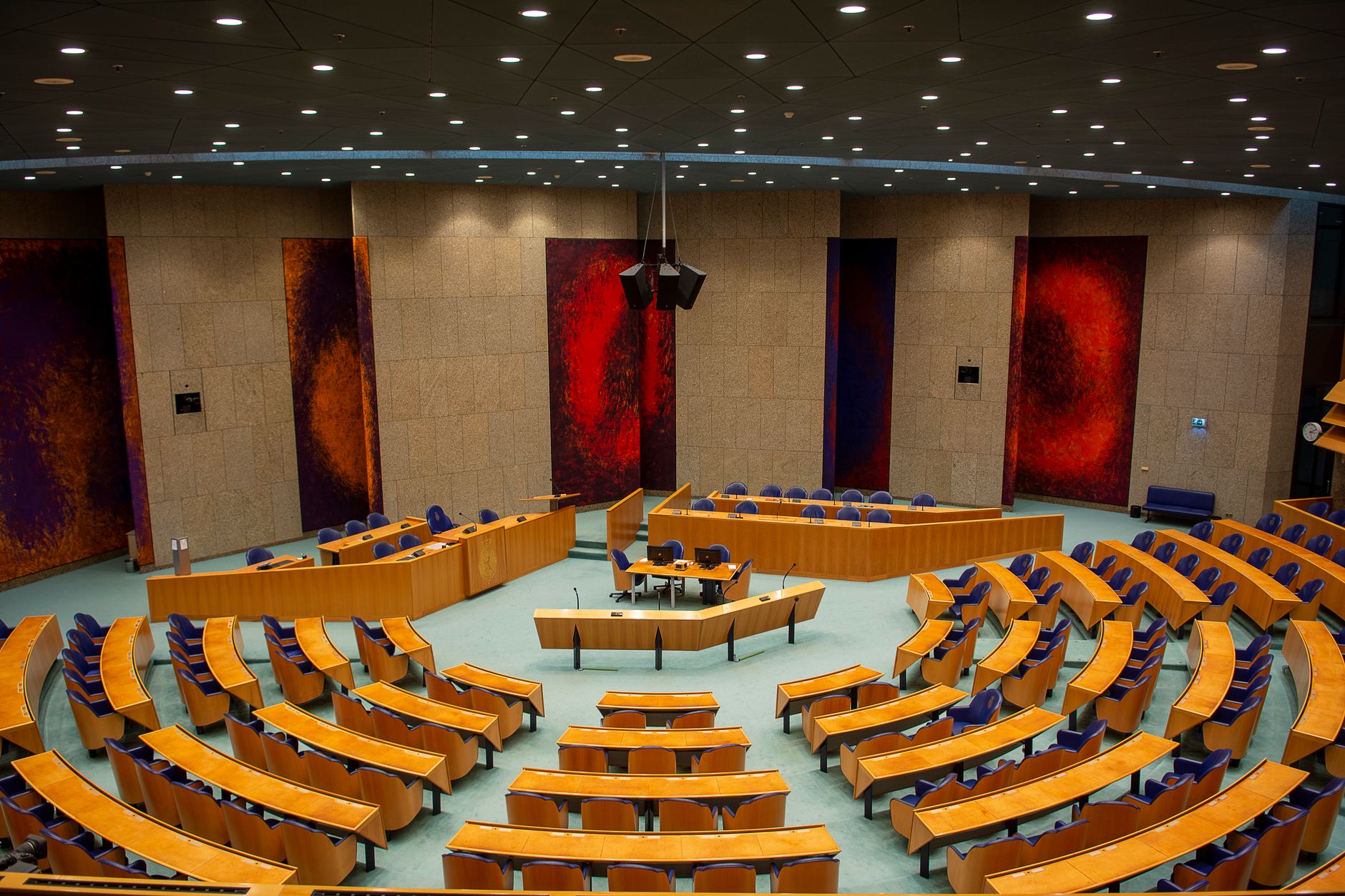
The case of Slovakia under Prime Minister Robert Fico remains a defining test of the European Union’s rule-of-law architecture, as the European Parliament returns this week in Strasbourg to a file that has dominated EU institutional debate for much of the spring. A resolution adopted on 29 April with 418 votes in favour and 207 against formally called on the European Commission to apply, for the first time against Bratislava, the conditionality mechanism that links the disbursement of EU funds to the respect of rule-of-law standards.
Findings of the fact-finding mission
The case against Slovakia rests on a set of facts established by a Parliament fact-finding mission to Bratislava in 2025 and consolidated in subsequent monitoring. The findings, as referenced by group leaders at the start of plenary, point in three directions: the dismantling of dedicated anti-corruption bodies, including the abolition of the Special Prosecutor’s Office and the National Crime Agency; a series of steps weakening judicial independence; and credible allegations of large-scale misuse of EU funds, including through the Slovak Agricultural Paying Agency.
The rapporteur on the budget discharge file that contained the original amendment, German Green MEP Daniel Freund, has framed the case as a question of fiduciary duty. EU taxpayer money is being put at risk, he argued ahead of the April vote, citing the steps taken by the Fico government to weaken oversight institutions. The European Anti-Fraud Office (OLAF) has uncovered fraud during the 2015-2020 period and is investigating new cases jointly with the European Public Prosecutor’s Office.
How the conditionality mechanism works
The conditionality mechanism, introduced in 2020 and first used in 2022 against Hungary, allows the Commission to propose, and the Council to approve by qualified majority, the suspension of EU funds where rule-of-law breaches put the Union budget at risk. The procedure is technical rather than political: the Commission must establish a direct link between the breach and the risk to financial interests, and Member States must then decide whether the threshold has been met.
Parliament’s resolution does not, in itself, suspend any funds. It urges the Commission to take the next step. Implementation could take several months. The Commission has so far indicated that it is monitoring the situation closely and has not formally opened a procedure.
The defence and the dissent
The Slovak government has rejected the parliamentary vote as politically motivated. Robert Fico’s Smer-SD party has argued that certain Parliament committees engage in more politics than work. Slovak opposition MEPs, including members of Progresívne Slovensko, abstained in the April vote, expressing concern that a suspension of funds would harm Slovak citizens rather than the government accused of breaching standards.
That nuance – how to apply pressure on a government without harming the population whose institutions it controls – is the central political question facing the Commission as it considers next steps. The precedent of Hungary, where billions of euros have been frozen since 2022 with mixed effect on rule-of-law indicators, weighs on the debate in both directions.
The broader European context
The Slovakia file sits alongside the longstanding Hungary case and emerging concerns over rule-of-law trajectories in other Member States. For the EU institutions, it represents the first major test of whether the conditionality mechanism can be activated against a second country, and whether the political coalition that supported its creation in 2020 remains intact in 2026 under different political balances.
Parliament’s posture is unambiguous: the four main pro-European groups – EPP, S&D, Renew Europe and Greens/EFA – have aligned on the substance, even if individual delegations differ on tactics. As the May plenary continues, the question is no longer whether Slovakia poses a rule-of-law concern, but how the Commission and Council intend to respond.