Fertilisers Action Plan: Commission faces MEPs over prices and dependency
The European Commission presented its long-awaited Fertilisers Action Plan in Strasbourg this week, opening a debate with Members of the European Parliament on what has become one of the most economically sensitive files for European agriculture. Four years after the energy shock that more than doubled nitrogen fertiliser prices in 2022 and triggered a structural reordering of the European nitrogen industry, the Commission is presenting a strategy to address both the price pressure on farmers and the EU’s deepening dependency on imports.
A market that has not normalised
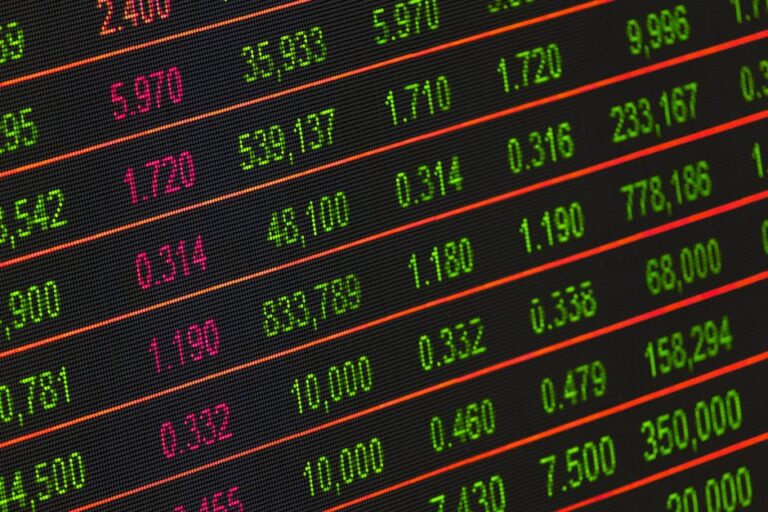
European fertiliser prices have come down from the peaks of 2022, but they have not returned to the levels that prevailed before the energy crisis. Urea, the most widely used nitrogen fertiliser, remains structurally more expensive than in the pre-2022 baseline, and the gap with non-European producers has widened. The reason is straightforward: nitrogen fertiliser production is gas-intensive, and EU gas prices remain elevated relative to those in the United States, the Middle East and parts of Asia.
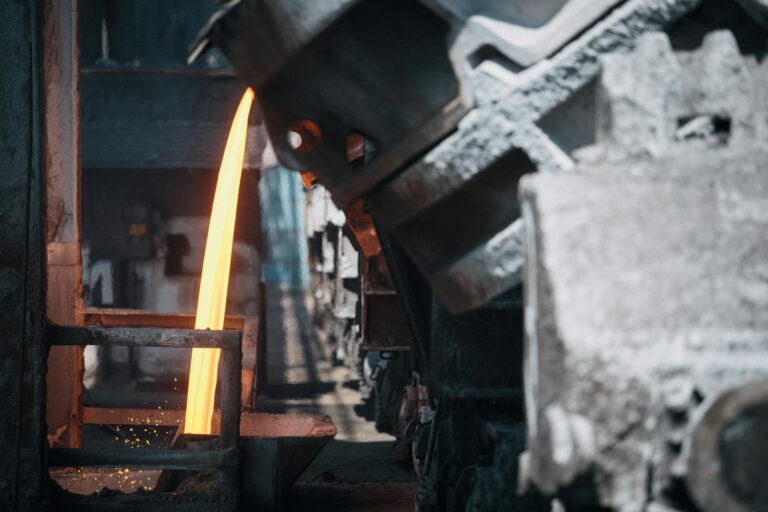
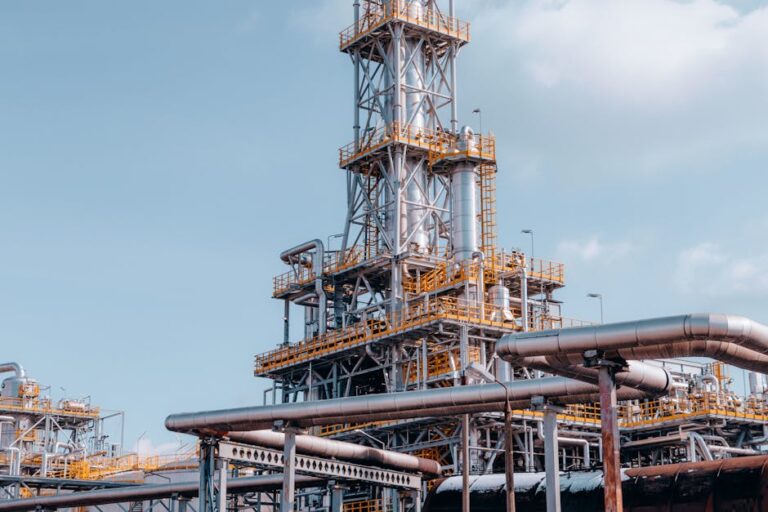
The consequence has been a steady decline in European nitrogen production capacity. Several major plants have either closed or reduced output, with production migrating to regions where energy is cheaper. The Commission’s diagnosis is that the EU now relies on imports for a significant share of its nitrogen supply, with implications for food security and for the strategic autonomy that has become a central concern in Brussels.
What the Action Plan contains
The Action Plan, as presented to MEPs, articulates a multi-pillar response. It seeks to preserve and where possible expand strategic production capacity within the Union, in line with the broader Net Zero Industry Act and Critical Raw Materials Act. It explores measures to support farmers’ access to affordable inputs, including through procurement and storage arrangements. And it sets out the framework for diversification of import sources, reducing dependency on any single supplier.
A particularly sensitive component concerns trade defence. The Commission has acknowledged that European producers face competition from third-country exports priced below their cost of production, often supported by access to subsidised energy. The Action Plan signals openness to using trade defence instruments where unfair practices are documented, while balancing this against farmers’ need for accessible inputs.
The agricultural angle
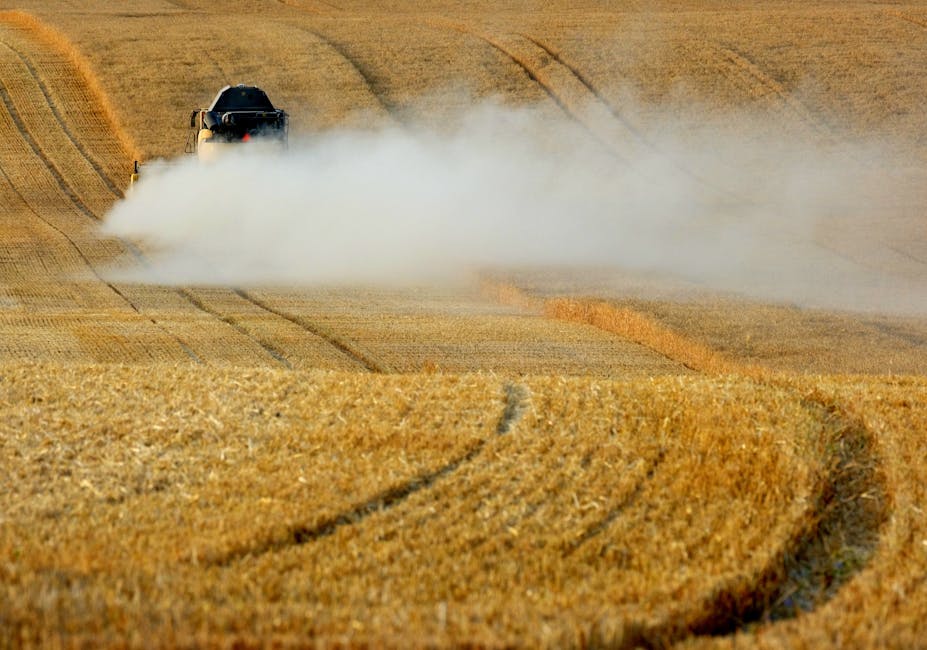
For European farmers, the politics of the file are difficult. Fertiliser costs typically represent 20% to 30% of variable input costs for cereal producers, and any sustained increase in prices feeds directly into margins. The farming community has supported measures to bring prices down, while also expressing concern about losing domestic production capacity that provides supply security in moments of crisis.
The Commission has framed the Action Plan as an attempt to reconcile these objectives. In practice, MEPs from agriculture-dependent regions have pressed for stronger short-term price relief, while those focused on industrial strategy have emphasised the need to anchor production in the Union for the long term.
Connections to the wider economic security agenda
The Fertilisers Action Plan slots into the broader EU economic security agenda alongside critical raw materials, semiconductors, and pharmaceuticals. The common diagnosis across these files is the same: the Union has built deep external dependencies in sectors that turn out to matter strategically, and recovering capacity is slow, expensive and politically contested.
The plenary debate is unlikely to produce immediate legislation. The Commission’s plan is, in the first instance, a framework for further action across multiple files – trade, agriculture, industry, energy. The next concrete steps will likely come through the Common Agricultural Policy review and through targeted measures in the industrial decarbonisation strategy. For farmers and producers alike, the timeline matters: the 2026 spring sowing season is well under way, and the 2027 input campaign begins to take shape later this year.