Brussels Memorial for Dictatorship Victims gains support
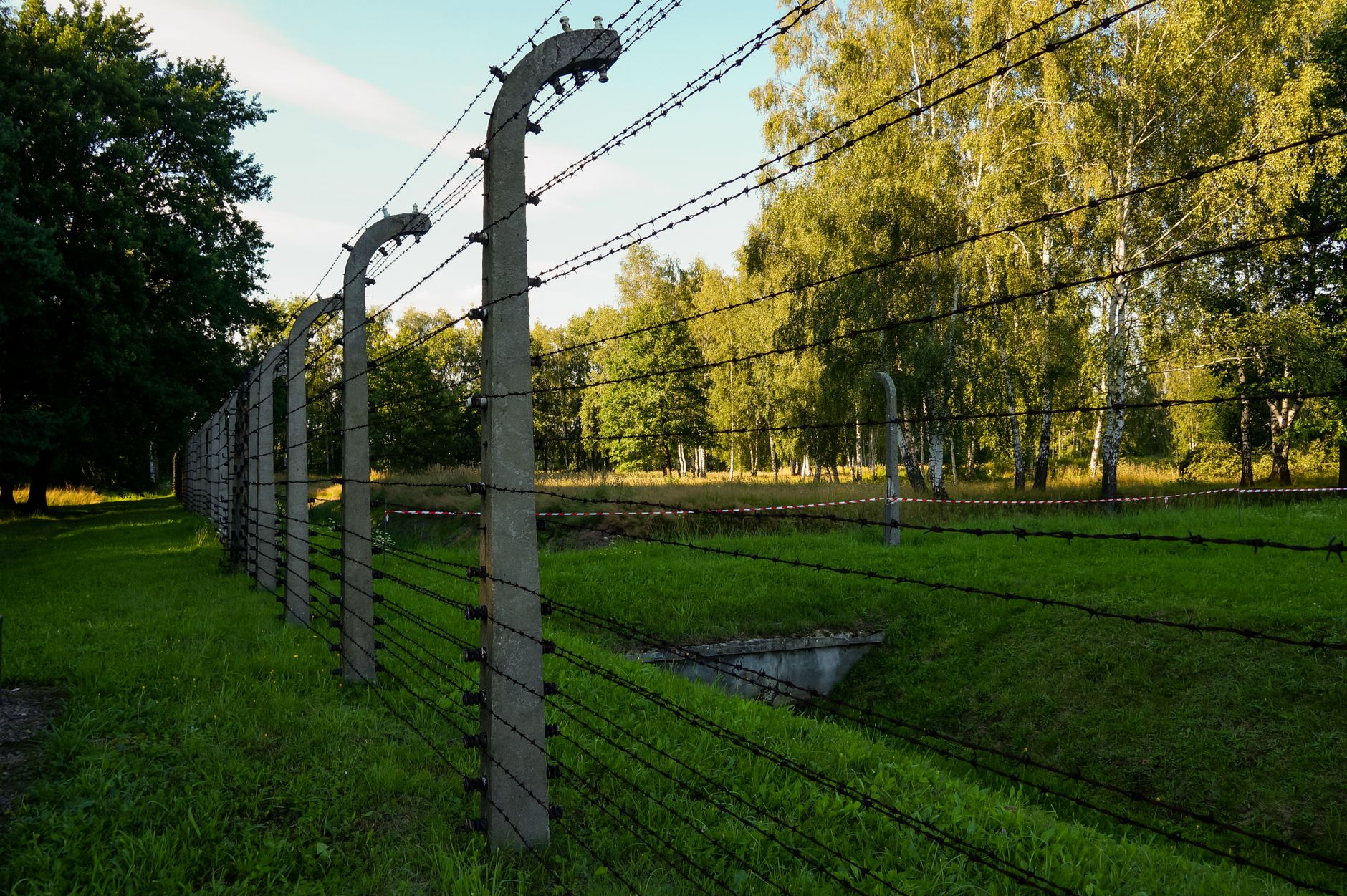
A campaign to establish a memorial to victims of dictatorship in Brussels is gaining traction among European lawmakers and civil society groups, marking what supporters call a long-overdue recognition of Europe’s totalitarian past.
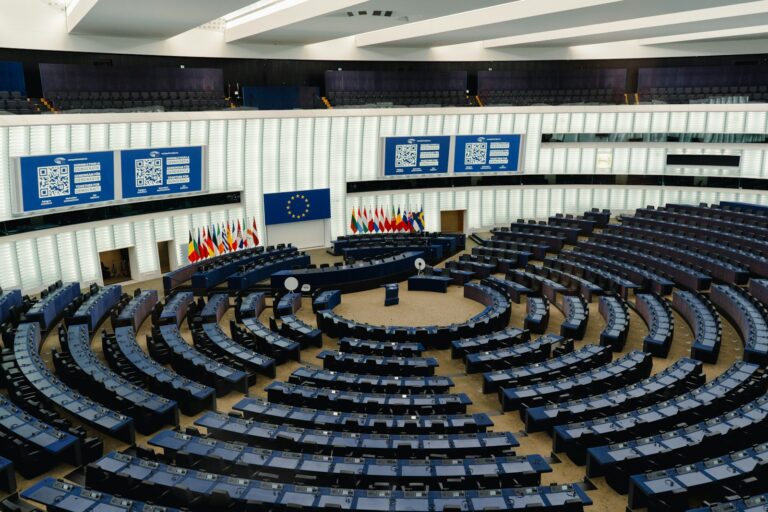
The initiative, which has been discussed sporadically for years, received fresh impetus this month with backing from multiple political groups in the European Parliament. Advocates are pushing for a permanent site in the EU capital that would commemorate those who suffered under both communist and fascist regimes across the continent.
Cross-Party Coalition Emerges
MEPs from at least four different political families have signed onto the proposal, a rare show of unity in an increasingly fragmented parliament. The coalition includes representatives from Central and Eastern European countries who’ve argued that victims of communist oppression haven’t received the same recognition as those who suffered under fascism.
“This isn’t about rewriting history or creating false equivalences,” said one parliamentary source familiar with the discussions. “It’s about ensuring that all victims of totalitarianism are remembered with dignity in the heart of democratic Europe.”
But the project faces hurdles. Brussels municipal authorities would need to approve any memorial site, and funding remains unclear. Preliminary estimates suggest the monument could cost between €2 million and €5 million, depending on its scope and location.
Location Debates and Design Questions
Several potential sites have been floated, including areas near the European Parliament and the European Quarter. Yet no formal proposals have been submitted to city planners.
Design concepts range from a traditional monument to a more interactive educational space. Some advocates want the memorial to include a documentation center that would serve as a resource for schools and researchers. Others prefer a simpler approach focused on quiet reflection.
Historical Precedents and Political Sensitivities
The push for a Brussels memorial follows similar projects in other European capitals. Berlin’s Memorial to the Murdered Jews of Europe and Budapest’s House of Terror both attract hundreds of thousands of visitors annually.
Still, the initiative has sparked debate about how Europe should reckon with its twentieth-century history. Critics worry that lumping different totalitarian systems together oversimplifies complex historical realities. Supporters counter that victims deserve recognition regardless of the ideology that oppressed them.
The Platform of European Memory and Conscience, a network of research institutes from former communist countries, has been coordinating advocacy efforts. The organization represents 23 member institutions across Europe.
Proponents hope to secure formal commitments from Brussels authorities by the end of the year. If approved, construction could begin as early as 2026, though that timeline depends on navigating Belgium’s notoriously complex bureaucratic processes and securing adequate funding from both EU and national sources.