EU weighs defence and governance reforms amid rising tensions
The European Union is pushing forward with ambitious plans to overhaul its defence capabilities and decision-making structures, as mounting geopolitical pressures force the bloc to reconsider long-standing policies that have defined its post-war identity.
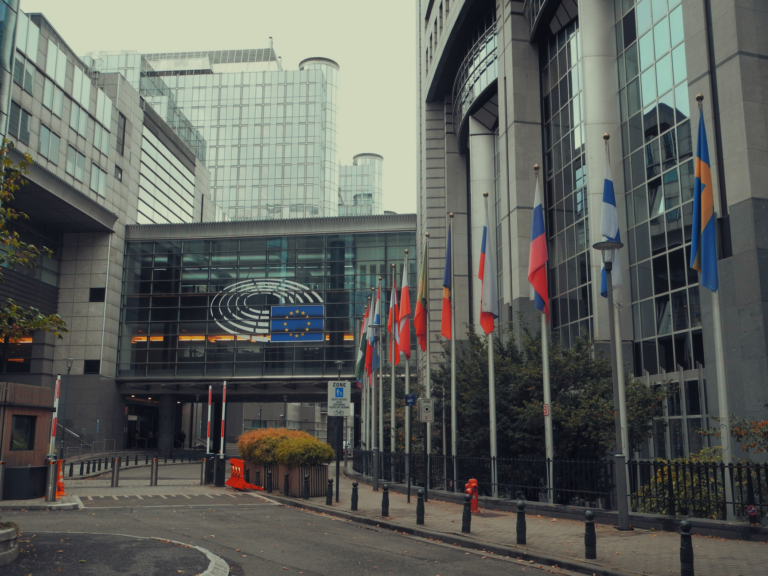
Senior officials in Brussels confirmed this week that discussions are underway to streamline the EU’s often cumbersome governance mechanisms, with particular focus on defence spending and collective security arrangements. The proposals come as member states grapple with Russia’s ongoing aggression in Ukraine, an increasingly assertive China, and uncertainty about US security commitments following November’s presidential election.
Defence Spending Takes Centre Stage
At the heart of the reform package is a push to increase military expenditure across the 27-member bloc. Current estimates suggest EU nations collectively spend around €240 billion annually on defence, yet procurement remains fragmented across national lines. That’s roughly a quarter of what the United States allocates to its military budget.
Several member states are now advocating for a coordinated approach to arms procurement, with Poland and the Baltic nations leading the charge. They argue that pooled resources would eliminate wasteful duplication and create genuine interoperability between national forces.
Voting Rights Under Scrutiny
But defence isn’t the only area ripe for change. The bloc’s requirement for unanimous consent on foreign policy and security matters has long frustrated diplomats who watch crucial decisions stall over objections from individual capitals.
Hungary has repeatedly blocked or delayed EU measures supporting Ukraine, whilst other countries have used their veto power to protect narrow national interests. Now there’s growing momentum behind proposals to introduce qualified majority voting for certain security decisions, though such changes would require treaty amendments that could take years to finalise.
A senior European Commission official told reporters: “We’re at a pivotal moment. The security architecture that served us for decades no longer matches the threats we face. It’s not about replacing NATO, but about Europeans doing more for their own defence.”
Challenges Ahead
Yet the path forward remains fraught with political obstacles. Smaller nations worry that governance reforms could diminish their influence, whilst fiscal hawks in northern Europe balk at proposals for shared debt to finance defence projects. And questions persist about whether the EU can truly forge a common defence identity when member states maintain divergent relationships with Moscow and Beijing.
Still, the sense of urgency appears genuine. With the war in Ukraine entering its fourth year and global power dynamics shifting rapidly, EU leaders recognise that incremental changes won’t suffice. The coming months will reveal whether the bloc can translate rhetoric into concrete action that reshapes Europe’s strategic posture for generations to come.