Ebola response in DR Congo must accelerate, says UN relief chief
The global response to the Ebola outbreak in the Democratic Republic of the Congo needs to move significantly faster, UN relief chief Tom Fletcher warned on Thursday, as the deadly virus continues to spread across one of the world’s most volatile regions.
A crisis demanding urgency
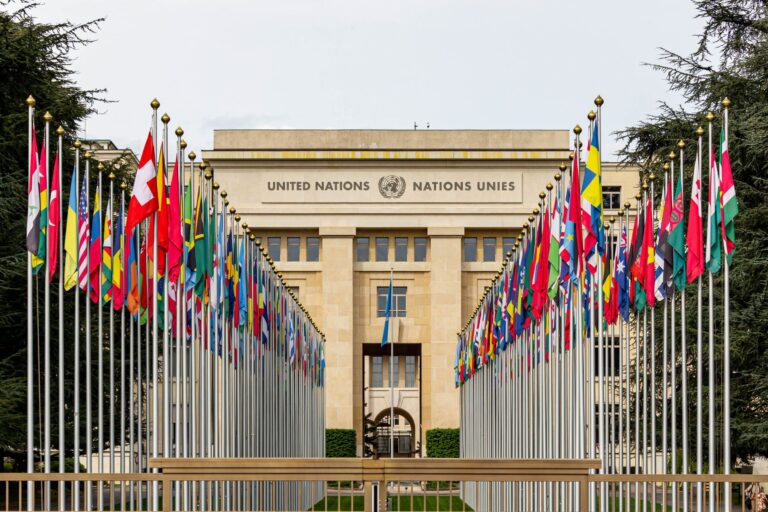
Fletcher, who serves as the UN’s Under-Secretary-General for Humanitarian Affairs, didn’t mince words. Speaking from Geneva, he called the current pace of the international response inadequate given the scale of the threat. The outbreak, centered in the country’s eastern provinces, has already claimed dozens of lives and infected hundreds more in recent weeks.
It’s a region that’s been battered by armed conflict for years, which makes containment efforts brutally difficult. Health workers can’t always reach affected communities safely, and trust in outside organizations remains fragile in many areas.
What the numbers tell us
The DRC has suffered more Ebola outbreaks than any other country in the world — at least 14 since the virus was first identified near the Ebola River in 1976. The current outbreak has recorded over 60 confirmed cases, with a fatality rate hovering around 50 percent, consistent with historical averages for the disease.
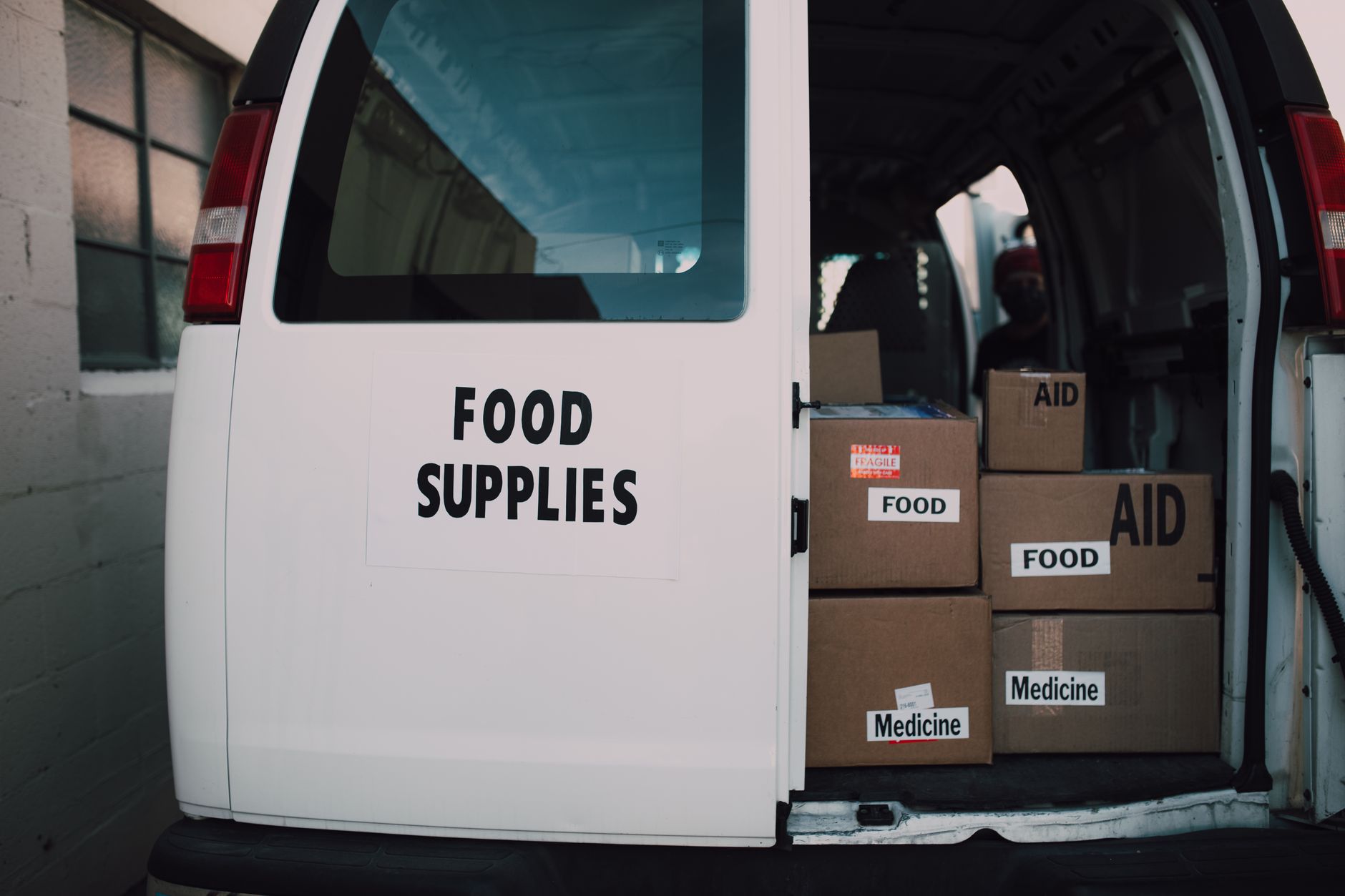
Fletcher stressed that funding gaps are crippling the response. An emergency appeal launched earlier this year remains less than 40 percent funded, leaving critical shortfalls in everything from personal protective equipment to contact tracing operations.
That’s not a number anyone should be comfortable with.
Challenges on the ground
Eastern DRC is home to dozens of active armed groups, and health teams have faced direct attacks in the past. Yet communities there are also dealing with cholera, measles, and one of the worst displacement crises on the continent, with more than 7 million people internally displaced. Ebola is just one emergency piled on top of many others.
“We cannot afford to treat this as someone else’s problem,” a senior UN humanitarian official said. “Every day of delay costs lives, and the window to get ahead of this outbreak is narrowing.”
Supply chains into affected areas remain strained, and the rollout of available vaccines — which proved effective during the 2018-2020 outbreak that killed more than 2,200 people — has been slower than health authorities had hoped.
What comes next
Fletcher is pushing for an emergency session of donor governments in the coming days to unlock additional funding and accelerate the deployment of medical personnel. The World Health Organization has already classified the outbreak as a Grade 3 emergency, its highest internal alert level.
But classification alone won’t stop the virus from spreading. And with the rainy season approaching, which historically complicates access to remote villages, the pressure to act is mounting fast.
The DRC’s health ministry and international partners say they’re working around the clock. Still, if the last several outbreaks have taught the world anything, it’s that Ebola punishes hesitation. The next few weeks will be telling.